Introduction
Your gut contains trillions of bacteria — and the balance between good and bad bacteria determines more about your health than most people realize.
From digestion and immunity to your mood, energy levels, and even your skin, your gut microbiome plays a role in almost everything. And one of the most powerful ways to support it? Eating probiotic-rich foods every single day.
Probiotics are live microorganisms — beneficial bacteria — that help restore and maintain the balance of your gut microbiome. Unlike supplements, whole food sources of probiotics come packaged with nutrients, enzymes, and compounds that work together to support your gut in ways no pill can fully replicate.
In this article, we’re breaking down the 10 best probiotic foods for gut health, why they work, and exactly how to eat them daily — no complicated recipes required.
What Are Probiotic Foods?
Probiotic foods are foods that contain live, active cultures of beneficial bacteria. Most are fermented — meaning they’ve gone through a process where natural bacteria or yeast convert sugars into acids, creating an environment that both preserves the food and produces beneficial microorganisms.
Not all fermented foods are probiotic (wine and beer are fermented but don’t contain beneficial live cultures), and the most potent probiotic food sources tend to be fresh, unpasteurized, and kept refrigerated.
The 10 Best Probiotic Foods for Gut Health
1. Kefir
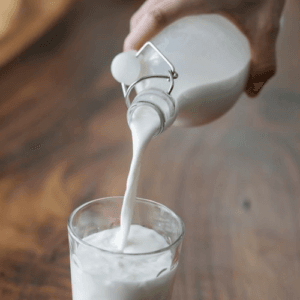
Kefir is arguably the most powerful probiotic food you can eat. This fermented milk drink contains anywhere from 12 to 61 different strains of bacteria and yeast — far more than most probiotic supplements and significantly more than regular yogurt.
Made by fermenting milk with kefir grains (a combination of bacteria and yeast cultures), kefir has a slightly tart, tangy taste and a thin, pourable consistency.
Gut health benefits:
- Contains Lactobacillus kefiri, a strain unique to kefir that helps inhibit harmful bacteria like Salmonella and H. pylori
- Studies show kefir can improve lactose digestion, even in people who are lactose intolerant
- Supports immune function and reduces inflammation in the gut lining
How to eat it daily:
- Drink a small glass (150-200ml) in the morning on an empty stomach
- Use as a smoothie base instead of milk or yogurt
- Pour over granola as a probiotic-rich alternative to regular milk
Buying tip: Look for full-fat, plain kefir with no added sugar and “live and active cultures” on the label. Water kefir is a great dairy-free alternative.
2. Sauerkraut
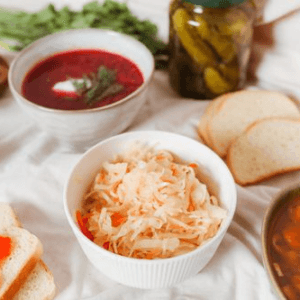
Sauerkraut — fermented cabbage — is one of the oldest and most widely consumed probiotic foods in the world. Made simply by combining shredded cabbage with salt and fermenting it naturally, sauerkraut is rich in Lactobacillus bacteria and is also an excellent source of vitamin C, vitamin K, and gut-feeding fiber.
Gut health benefits:
- High in Lactobacillus plantarum, which helps maintain the integrity of the gut lining
- The fiber content acts as a prebiotic, feeding the beneficial bacteria already living in your gut
- Contains digestive enzymes that help break down food more effectively
How to eat it daily:
- Add 2 tablespoons alongside any meal as a condiment
- Top scrambled eggs or avocado toast with a spoonful
- Stir into grain bowls, wraps, or sandwiches
Buying tip: Only raw, unpasteurized sauerkraut contains live cultures. Pasteurized canned versions have been heat-treated and contain no probiotics. Buy refrigerated sauerkraut and look for “raw” or “unpasteurized” on the label.
3. Yogurt
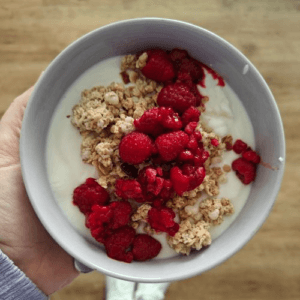
Yogurt is probably the most well-known probiotic food — and for good reason. Made from milk fermented with Streptococcus thermophilus and Lactobacillus bulgaricus, a good quality yogurt provides a reliable daily dose of beneficial bacteria.
Gut health benefits:
- Improves symptoms of irritable bowel syndrome (IBS) including bloating and irregular digestion
- Helps restore gut bacteria after antibiotic use
- Supports immune function through the gut-immune axis
How to eat it daily:
- Eat a bowl with berries and a drizzle of honey for breakfast
- Use as a base for salad dressings and dips
- Blend into smoothies for a probiotic boost
Buying tip: Avoid yogurts with added sugar or artificial flavors. Look for “live and active cultures” on the label. Greek yogurt often has a higher probiotic concentration per serving.
. Kimchi
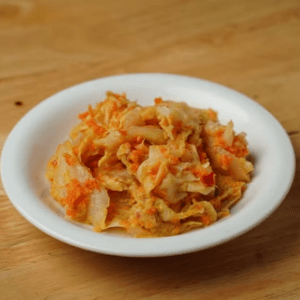
Kimchi is a traditional Korean fermented vegetable dish, most commonly made with napa cabbage and radish, seasoned with chili paste, garlic, and ginger. It’s packed with Lactobacillus kimchii and several other probiotic strains unique to its fermentation process.
Gut health benefits:
- Contains a diverse range of bacterial strains that support microbiome diversity
- The garlic and ginger provide their own antimicrobial and anti-inflammatory properties
- Studies suggest kimchi may help regulate blood sugar and reduce LDL cholesterol
How to eat it daily:
- Serve alongside rice or noodle dishes as a side
- Add to scrambled eggs or fried rice
- Eat a small portion (2-4 tablespoons) as a snack with crackers
Buying tip: Find refrigerated, raw kimchi at Asian grocery stores or health food stores. Avoid shelf-stable versions — they’ve been pasteurized and contain no live cultures.
5. Miso
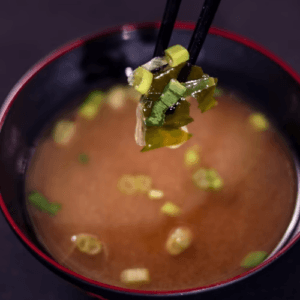
Miso is a traditional Japanese seasoning made by fermenting soybeans with salt and a mold called koji (Aspergillus oryzae). It’s one of the most versatile probiotic foods available — rich in umami flavor and beneficial bacteria.
Gut health benefits:
- Contains beneficial Lactobacillus and Bifidobacterium strains
- The fermentation process makes the nutrients in soybeans more bioavailable
- Regular miso consumption has been linked to improved digestive health in population studies
How to eat it daily:
- Dissolve a tablespoon in warm (not boiling) water for a quick miso soup
- Add to salad dressings, marinades, and sauces
- Mix into hummus or spread onto toast
Important: Don’t add miso to boiling water — heat above 70°C kills the live cultures. Always add it at the end of cooking.
6. Kombucha

Kombucha is a fermented tea drink made by adding a SCOBY (symbiotic culture of bacteria and yeast) to sweetened tea and fermenting for 1-4 weeks. The result is a lightly fizzy, tangy drink rich in probiotics, organic acids, and antioxidants.
Gut health benefits:
- Contains acetic acid and other organic acids that create an inhospitable environment for harmful bacteria
- Provides a mix of beneficial yeast and bacteria strains
- The antioxidants from the tea base add additional anti-inflammatory support
How to eat it daily:
- Drink 100-200ml with a meal as a digestive aid
- Use as a mixer in mocktails and sparkling drinks
- A great afternoon alternative to coffee or soda
Buying tip: Look for raw, unpasteurized kombucha with low sugar content (under 5g per 100ml). Many commercial kombuchas are pasteurized or loaded with added sugar.
7. Tempeh
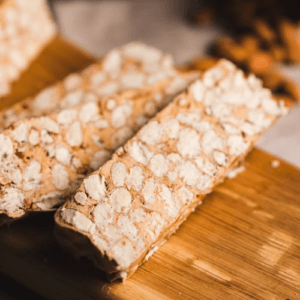
Tempeh is a fermented soybean product from Indonesia — a firm, dense cake of whole soybeans bound together by a beneficial mold called Rhizopus oligosporus. It has a nutty, earthy flavor and chewy texture, and is one of the best plant-based probiotic sources available.
Gut health benefits:
- Excellent plant-based probiotic source with a unique bacterial profile
- High in complete protein and all essential amino acids
- Fermentation breaks down phytic acid in soybeans, dramatically improving mineral absorption
How to eat it daily:
- Slice and pan-fry with soy sauce and garlic as a protein for bowls and salads
- Crumble and use as a meat substitute in tacos or pasta sauce
- Marinate and bake for a crispy, protein-rich snack
8. Natto
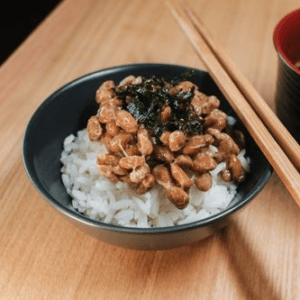
Natto is a traditional Japanese food made from soybeans fermented with Bacillus subtilis var. natto. It has a strong flavor, sticky texture, and pungent smell — definitely an acquired taste — but its probiotic potency is exceptional.
Gut health benefits:
- Bacillus subtilis is a highly resilient probiotic strain that survives stomach acid particularly well
- Contains nattokinase, an enzyme with notable cardiovascular benefits
- Exceptionally high in vitamin K2, which is rare in most Western diets
How to eat it daily:
- Serve over steamed rice with soy sauce and mustard (traditional Japanese style)
- Mix into soups or noodle dishes
9. Traditional Buttermilk
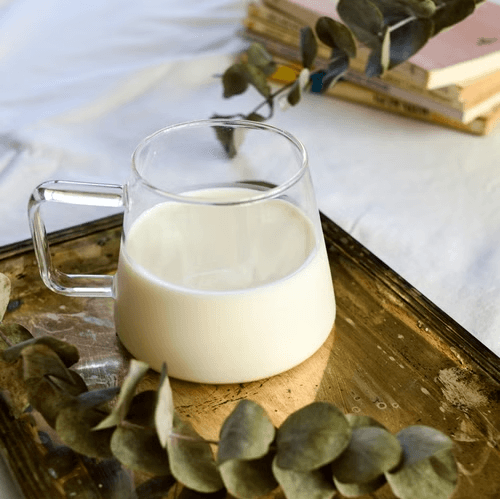
Traditional buttermilk — the liquid left behind after churning butter from cultured cream — is a probiotic-rich drink consumed for centuries across South Asia and Europe. Most commercial buttermilk is cultured buttermilk (regular milk with added bacteria), which also contains live cultures.
Gut health benefits:
- Contains Lactobacillus acidophilus and other beneficial strains
- Lower in fat than regular milk but rich in calcium and protein
- Easier to digest than regular milk for many people due to the fermentation process
How to eat it daily:
- Drink a glass on its own — it’s refreshing and tangy
- Use in smoothies or protein shakes
- Use as a marinade base for chicken or meat (it tenderizes beautifully)
10. Raw and Aged Cheese
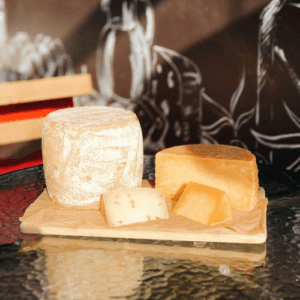
Raw or aged cheeses — including Gouda, Parmesan, aged Cheddar, Gruyère, and Manchego — contain live bacterial cultures from the fermentation process. Unlike processed cheese, raw and aged varieties are not heat-treated after fermentation, so the beneficial bacteria remain active.
Gut health benefits:
- Contains a range of Lactobacillus and Bifidobacterium strains
- High in calcium, fat-soluble vitamins, and protein
- Fermentation makes aged cheese easier to digest than fresh milk for many people
How to eat it daily:
- Enjoy a small portion (30g) with whole grain crackers as a snack
- Add to salads, omelets, and grain bowls
- Pair with apple slices or grapes for a gut-friendly snack plate
Buying tip: Look for “raw milk” or “made from unpasteurized milk” on the label. Most standard supermarket sliced cheese has been processed in ways that destroy live cultures.
How to Eat More Probiotic Foods Every Day
You don’t need to eat all 10 of these foods every day. Even adding 1-2 servings of probiotic foods to your daily routine can make a meaningful difference over time. Here’s a simple daily framework:
Morning: Start with kefir or yogurt at breakfast — blend into a smoothie, mix with berries, or eat on its own.
Lunch: Add a side of sauerkraut or kimchi to your meal. Even 2 tablespoons provides a meaningful probiotic dose.
Afternoon: Swap your afternoon coffee or soda for a glass of kombucha.
Dinner: Use miso in a sauce or soup, or serve a fermented vegetable side dish.
Snack: A small portion of aged cheese with crackers or a glass of traditional buttermilk.
The key is consistency over quantity — small daily doses of probiotics are far more effective than occasional large ones.
Tips for Getting the Most from Probiotic Foods
Pair probiotics with prebiotics. Prebiotics are fibers that feed your beneficial bacteria. Foods like garlic, onions, bananas, oats, and asparagus are excellent prebiotic sources. Eating probiotics and prebiotics together gives your gut bacteria the fuel they need to thrive.
Avoid high heat. Live probiotic cultures are killed by temperatures above 70°C. Don’t cook sauerkraut, miso, or kefir at high heat — add them after cooking or eat raw.
Be consistent. The benefits of probiotic foods build over time. Daily small amounts beat occasional large amounts every time.
Introduce gradually. If you’re new to probiotic foods, start with small amounts and increase over 1-2 weeks. Too much too fast can cause temporary bloating as your gut microbiome adjusts — this is normal and settles quickly.
How much probiotic food should I eat per day?
There’s no single recommended daily amount, but research suggests regular daily consumption of even small amounts — 2 tablespoons of sauerkraut, 150ml of kefir — is more beneficial than larger occasional doses.
Can I eat probiotic foods if I’m lactose intolerant?
Many probiotic foods are completely dairy-free including sauerkraut, kimchi, miso, kombucha, tempeh, and natto. And the fermentation process in dairy-based foods like kefir and yogurt actually breaks down most of the lactose, making them tolerable for many lactose-intolerant people.
Should I take probiotic supplements instead of eating probiotic foods?
Whole food sources of probiotics offer additional benefits beyond just bacteria — including fiber, vitamins, minerals, and enzymes — that supplements can’t fully replicate. Food first is generally the better approach.
When is the best time to eat probiotic foods?
Probiotic foods can be eaten at any time of day. Some research suggests eating them with or just before a meal may help more bacteria survive stomach acid, but consistency matters far more than timing.