You’ve been eating all the right things. But if you’re still bloated or sluggish, the worst drinks for gut health might be the problem nobody told you about
Some of the most common beverages people drink every single day are quietly wrecking the gut microbiome that community of trillions of bacteria that controls your digestion, immunity, mood, and more .your drinks might be the problem. Here’s a breakdown of the 7 worst drinks for gut health and what to swap them for.
1. Sugary Sodas and Soft Drinks
This one probably isn’t a surprise, but it’s worse than most people realize.
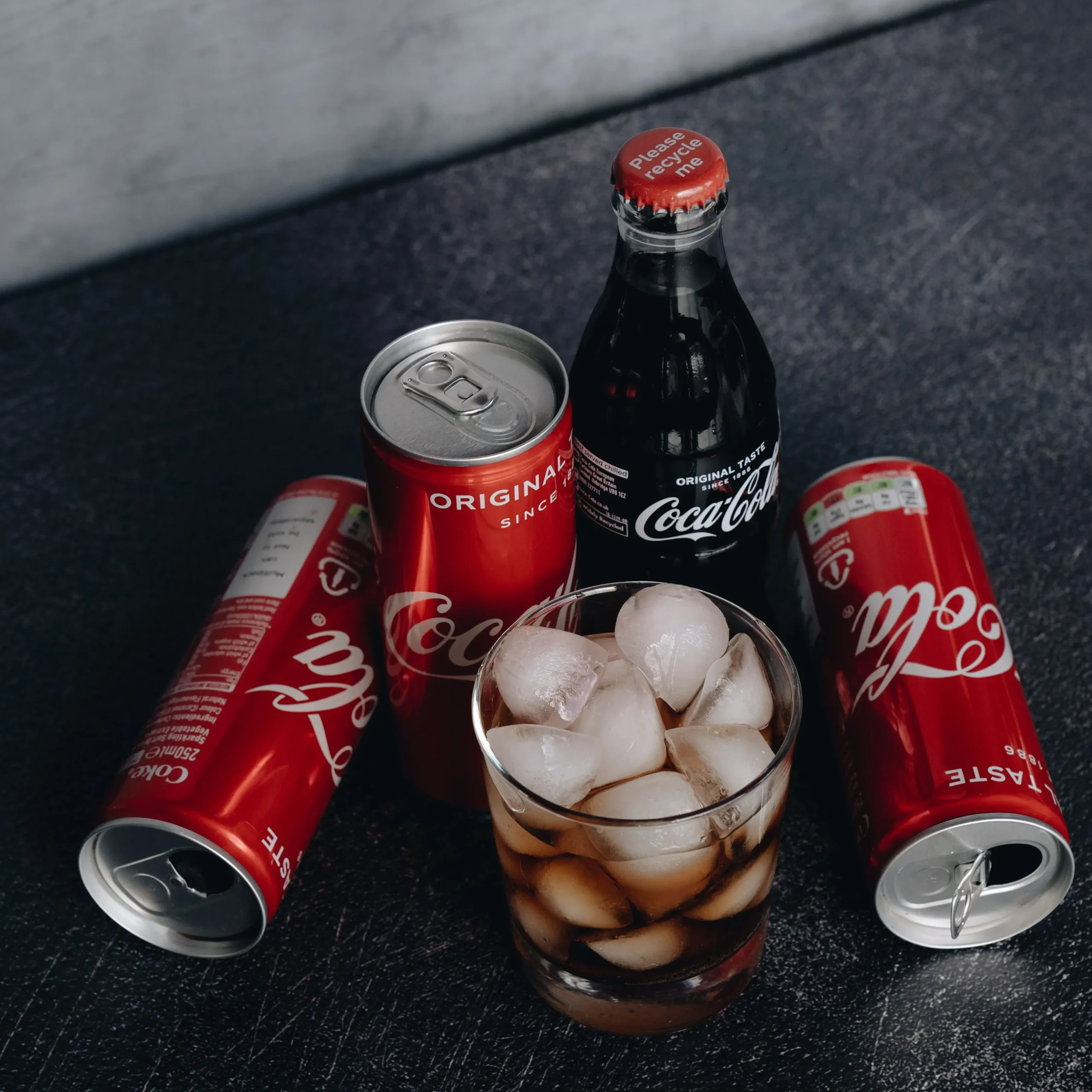
Regular sodas are loaded with high-fructose corn syrup or refined sugar and your gut bacteria absolutely hate it. Studies have shown that high sugar intake rapidly shifts the balance of your microbiome, feeding the harmful bacteria while starving the beneficial ones.
On top of that, the carbonation in sodas can increase gas and bloating, and the phosphoric acid found in colas has been linked to inflammation in the gut lining.
One can of soda has more sugar than your gut microbiome can handle in a single sitting. And most people aren’t stopping at one.
Drink this instead: Water kefir. It’s fizzy like soda, naturally slightly sweet, and packed with live probiotic cultures that actually feed your good bacteria. Once you get used to it, you won’t miss the can.
2. Artificially Sweetened Diet Drinks
If you switched to diet soda thinking you were doing your gut a favor, unfortunately, you might have made things worse.
Artificial sweeteners like aspartame, sucralose, and saccharin have been shown in multiple studies to negatively alter gut microbiome composition. A 2022 study published in Cell found that common sweeteners including saccharin and sucralose significantly disrupted the gut microbiome of healthy adults after just two weeks.
The cruel irony is that diet drinks were supposed to be the healthier choice. But for your gut bacteria, artificial sweeteners are deeply confusing and the resulting dysbiosis (imbalance in gut bacteria) can actually trigger more cravings and digestive issues over time.
Drink this instead: Plain sparkling water with a splash of kombucha. You still get the fizz, but you’re adding probiotics instead of disrupting them.
3. Alcohol (Especially Beer and Spirits)

Occasional alcohol isn’t going to destroy your gut overnight. But regular or heavy drinking is one of the fastest ways to damage your microbiome.
Alcohol increases intestinal permeability, commonly called “leaky gut”, which allows bacteria and toxins to pass through the gut wall into the bloodstream. It also reduces the diversity of your microbiome, which is one of the key markers of good gut health. The less diverse your gut bacteria, the more vulnerable you are to inflammation, digestive issues, and immune dysfunction.
Beer gets a special mention here because while hops do have some prebiotic properties, the alcohol content far outweighs any benefit, and most commercial beers also contain gluten and additives that further irritate the gut lining.
Drink this instead: Kombucha has a slight natural fizz and a complex, slightly tangy flavor that many people find genuinely satisfying as an evening drink alternative. It also contains a small amount of natural alcohol from fermentation, typically under 0.5%, which gives it a grown-up quality without the gut damage.
4. Fruit Juices (Even the “Healthy” Ones)

This is the one that surprises most people.
A glass of orange juice seems healthy. It has vitamin C. It comes from fruit. But strip away the fiber from whole fruit and what you’re left with is essentially a concentrated sugar hit, sometimes containing as much sugar as a can of soda.
Fructose in large amounts is particularly problematic for the gut. When more fructose arrives in the large intestine than the small intestine can absorb, gut bacteria ferment it rapidly, causing gas, bloating, and changes to your microbiome composition.
The fiber in whole fruit slows sugar absorption and feeds your good bacteria. Juice throws all of that away.
Drink this instead: Eat the whole fruit. Or if you want something to drink, blend it instead of juicing, a smoothie retains the fiber. Add a spoonful of plain kefir to the blender and you’ve turned a blood sugar spike into a genuinely gut-healthy drink.
5. Energy Drinks
Energy drinks combine multiple gut-disrupting ingredients into one can: high sugar, artificial sweeteners, caffeine in large doses, and various synthetic additives.
The high caffeine content alone can increase gut motility (how fast food moves through your system), which sounds helpful but can actually cause loose stools and irritate the gut lining over time. For people with IBS or sensitive digestion, energy drinks are a common trigger.
The taurine, B vitamins, and other additives vary by brand and their effects on the microbiome are still being studied, but nothing about the ingredient list looks microbiome-friendly.
Drink this instead: If you need energy, try a small glass of homemade water kefir with a squeeze of lemon and a pinch of ginger. The natural B vitamins from fermentation support energy metabolism, and you get hydration instead of a crash.
6. Sweetened Coffee Drinks

Your morning coffee itself isn’t the villain here, black coffee actually has some prebiotic properties and may support gut bacteria diversity. The problem is what most people add to it.
Flavored syrups, artificial creamers, whipped cream, and sugar-laden additions turn a potentially gut-neutral drink into something that feeds harmful bacteria. A large flavored latte from a coffee chain can contain 40–60 grams of sugar, more than most people’s daily recommended limit in a single drink.
Non-dairy creamers are also worth examining closely. Many contain carrageenan, an additive derived from seaweed that has been linked to gut inflammation in several studies.
Drink this instead: Black coffee or coffee with a small amount of whole milk or an unsweetened plant-based milk. If you want something gut-positive, try adding a teaspoon of plain kefir to lukewarm (not hot) coffee, it blends in, adds a subtle creaminess, and gives you a probiotic boost without the sugar.
7. Tap Water (In Some Cases)
This one comes with a big caveat , staying hydrated with water is essential for gut health. But the quality of your tap water matters.
Chlorine is added to municipal water supplies to kill bacteria, which is important for public health. The problem is that chlorine doesn’t distinguish between harmful bacteria and the beneficial bacteria in your gut. Regular consumption of heavily chlorinated tap water may reduce microbiome diversity over time.
This isn’t a reason to panic or stop drinking water, hydration is far more important than worrying about trace chlorine. But if your tap water is heavily treated and you’re already dealing with gut issues, it’s worth considering a filter.
Drink this instead: Filtered water is the simplest upgrade. If you want to go further, plain water kefir or a diluted splash of apple cider vinegar in water are both gut-supportive options.
What to Drink Instead of the Worst Drinks for Gut Health

To make this easy, here’s what to reach for instead:
- Water — still the best thing you can drink for your gut
- Kombucha — probiotic-rich, fizzy, satisfying
- Water kefir — lighter than milk kefir, great for those avoiding dairy
- Plain milk kefir — one of the most probiotic-dense drinks available
- Herbal teas — ginger, peppermint, and chamomile all support digestion
- Black coffee — in moderation, genuinely gut-neutral to mildly positive
- Bone broth — supports the gut lining with collagen and gelatin
Now that you know the worst drinks for gut health
You don’t have to overhaul everything overnight. Start by swapping one drink. Most people find that cutting out one daily soda or juice and replacing it with water or kombucha makes a noticeable difference within a week.
Your gut bacteria respond faster to dietary changes than most people expect. Give them the right drinks and they’ll return the favor.
What is the worst drink for gut health?
Sugary sodas and artificially sweetened diet drinks are consistently the worst drinks for gut health/ microbiome. Regular sodas flood your gut with high-fructose corn syrup, which feeds harmful bacteria while starving the beneficial ones. Diet sodas are no better, artificial sweeteners like aspartame, sucralose, and saccharin have been shown to disrupt microbiome composition even after just two weeks of consumption. If you drink either daily, swapping them out is the single highest-impact change you can make for your gut.
Is alcohol bad for gut health?
Yes, regular or heavy alcohol consumption is one of the fastest ways to damage your microbiome. Alcohol increases intestinal permeability (commonly called “leaky gut”), which allows bacteria and toxins to pass through the gut wall into the bloodstream. It also reduces microbial diversity, which is one of the key markers of a healthy gut. Occasional drinking is unlikely to cause lasting damage, but if you’re dealing with bloating, digestive issues, or low energy, cutting back on alcohol is worth trying before anything else.
Is fruit juice bad for gut health even if it’s 100% natural?
Yes, even 100% natural fruit juice can be problematic for gut health. When fruit is juiced, the fiber is removed, and that fiber is exactly what your gut bacteria need to thrive. What you’re left with is concentrated fructose that hits your digestive system fast, causes rapid fermentation in the large intestine, and can lead to gas, bloating, and microbiome imbalances. Eating whole fruit is always better. If you want something to drink, blend the fruit instead of juicing it, a smoothie keeps the fiber intact.
Is coffee bad for gut health?
Black coffee is not bad for gut health, it actually has mild prebiotic properties and may support gut bacteria diversity in moderate amounts. The problem is what most people add to it. Flavored syrups, artificial creamers, whipped cream, and sugar turn a gut-neutral drink into one that feeds harmful bacteria. A large flavored latte from a coffee chain can contain 40–60 grams of sugar, more than most people’s daily recommended limit in a single drink. Stick to black coffee or add a small amount of whole milk or unsweetened plant-based milk to keep it gut-friendly.
What are the best drinks for gut health?
The best drinks for gut health are water, kombucha, plain milk kefir, water kefir, herbal teas (ginger, peppermint, chamomile), black coffee in moderation, and bone broth. Water is still the most important, fiber and gut bacteria both need adequate hydration to function properly. Kombucha and kefir add live probiotic cultures that directly feed your microbiome. Bone broth supports the gut lining with collagen and gelatin. If you’re switching away from sodas or juice, starting with kombucha is the easiest transition, it’s fizzy, slightly sweet, and packed with probiotics instead of sugar.