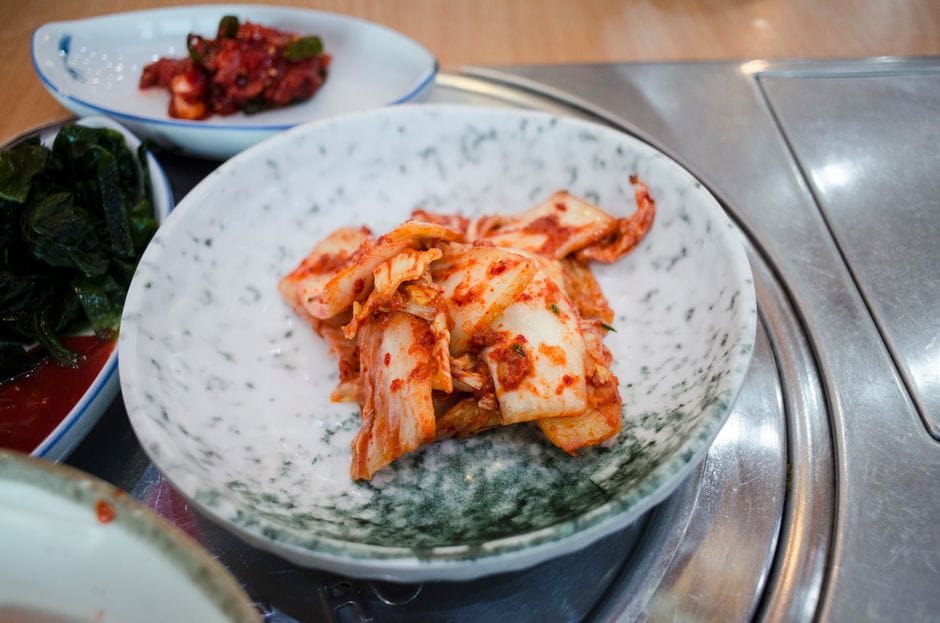
If you’ve noticed fermented foods popping up everywhere—from grocery store shelves to trendy restaurant menus—you might be wondering: what is fermented food, and why is everyone talking about it? Fermented foods have been a staple of human nutrition for thousands of years, yet they’re experiencing a remarkable renaissance in modern wellness culture. Whether you’re curious about kimchi, kombucha, sauerkraut, or miso, this guide will help you understand what fermented food is, how it’s made, and why it matters for your health.
What Is Fermented Food? The Basic Definition
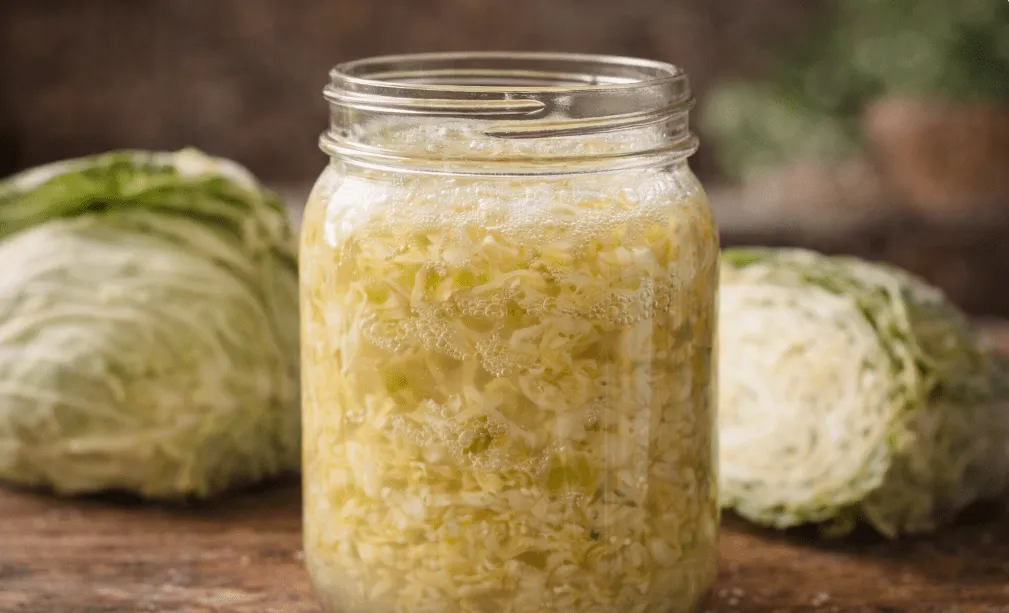
Fermented food is any food that has undergone a natural biochemical process where beneficial microorganisms—primarily bacteria and yeasts—break down sugars and starches in the food. This ancient preservation method transforms the food’s flavor, texture, and nutritional profile while creating an environment where helpful bacteria thrive.
The fermentation process doesn’t require any special equipment or chemicals. Instead, it relies on naturally occurring microorganisms, particularly lactic acid bacteria, to convert carbohydrates into lactic acid. This acid acts as a natural preservative while also enhancing the food’s digestive properties. The result is a tangy, complex flavor profile that many people find delicious and satisfying.
What makes fermented food unique is that it’s not just preserved—it’s transformed. The fermentation process creates new nutrients, enzymes, and compounds that weren’t present in the original food, making what is fermented food so nutritionally distinct from its raw counterpart.
How Does the Fermentation Process Work?
Understanding what is fermented food becomes easier when you know how fermentation actually happens. The process typically begins with salt, water, and fresh vegetables or other ingredients. Here’s the basic mechanism:
Step 1: Creating the Right Environment
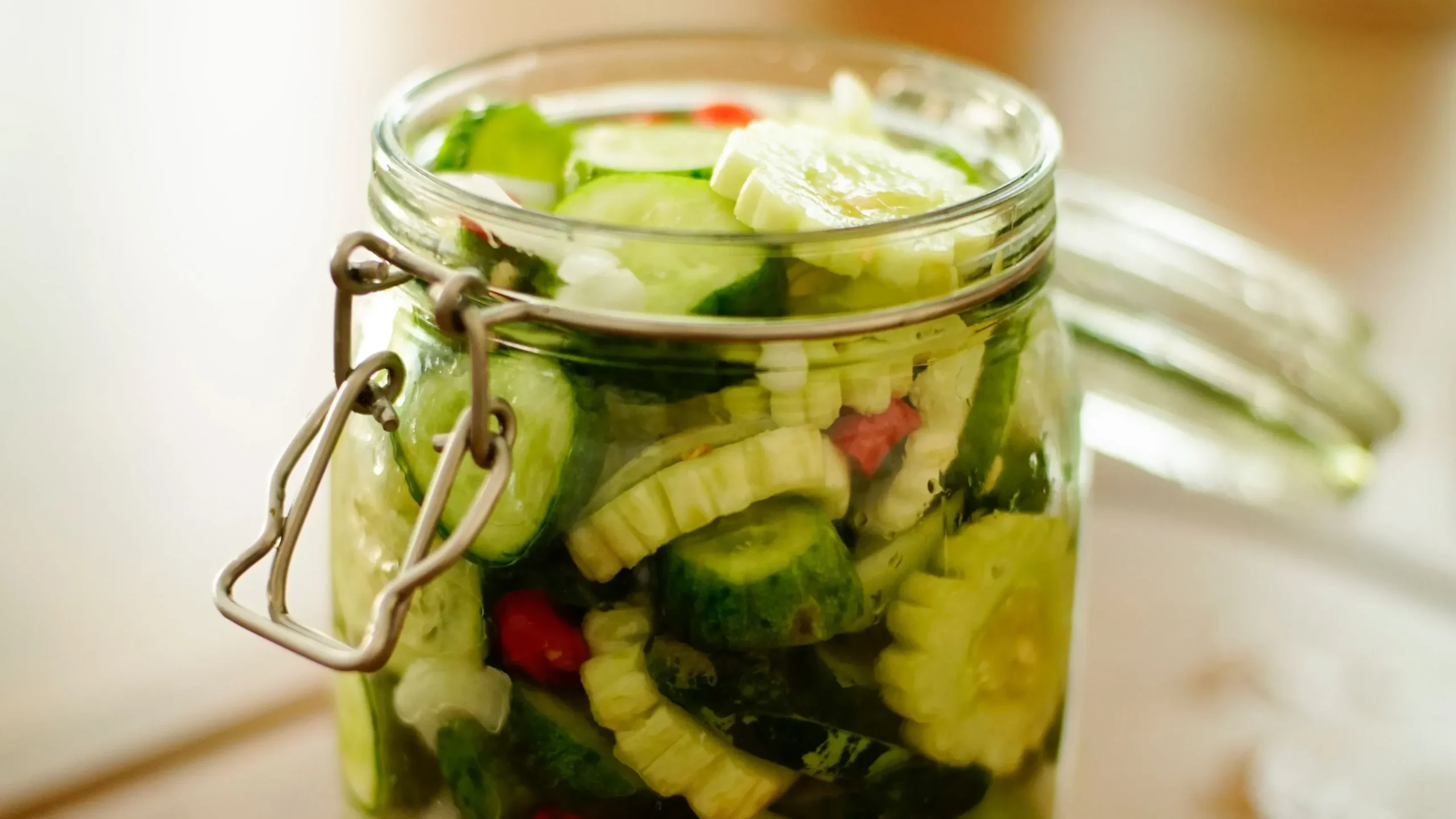
Fermented food requires an anaerobic environment—meaning one without oxygen. Salt draws out the natural juices from vegetables, creating a brine that keeps everything submerged below the surface. This oxygen-free environment is essential for fermentation to occur properly.
Step 2: Microbial Activity
Naturally occurring lactic acid bacteria on the vegetables’ surface begin to multiply rapidly. These beneficial microorganisms, including Lactobacillus species, consume the sugars present in the food and convert them into lactic acid.
Step 3: The Fermentation Happens
As lactic acid accumulates, the pH of the fermented food drops, creating an acidic environment. This acidic environment prevents harmful bacteria from growing while allowing beneficial bacteria to flourish. Fermentation can take anywhere from a few days to several months, depending on temperature, ingredients, and desired flavor intensity.
Step 4: Preservation and Flavor Development
The lactic acid acts as a natural preservative, allowing fermented food to last much longer than fresh food without refrigeration. Simultaneously, complex flavors develop through the metabolic activities of the microorganisms, creating the distinctive tangy taste associated with fermented foods.
Common Types of Fermented Foods

Fermented food comes in many delicious varieties, each with its own cultural heritage and flavor profile. Understanding what is fermented food means appreciating the diversity of options available:
Vegetables
Sauerkraut (fermented cabbage), kimchi (spiced Korean fermented vegetables), and pickles are among the most popular fermented vegetable options. These foods are crunchy, flavorful, and easy to make at home.
Beverages
Kombucha is a fermented tea beverage that has gained massive popularity in health-conscious communities. Water kefir and rejuvelac are other fermented drink options that provide probiotics and enzymes.
Dairy Products
Yogurt, kefir, and certain cheeses are fermented dairy products rich in probiotics. These foods combine the nutritional benefits of dairy with the probiotic power of fermentation.
Soy Products
Miso, tempeh, and tamari (fermented soy sauce) are staples in Asian cuisine. These fermented foods add umami depth to dishes while providing beneficial enzymes and probiotics.
Grains and Legumes
Sourdough bread, fermented beans, and sprouted grains represent the grain and legume category. Fermentation in these foods improves digestibility and nutrient bioavailability.
Other Fermented Foods
Apple cider vinegar, coconut water kefir, and fermented condiments round out the diverse world of fermented foods available to consumers.
The Health Benefits of Fermented Food

The reason fermented food has become such a hot topic in wellness circles relates directly to its impressive nutritional profile. Here’s what makes fermented food special for your health:
Probiotic Content
Perhaps the most celebrated benefit of fermented food is its probiotic content. These beneficial live bacteria support gut health, promote healthy digestion, and may enhance immune function. A single serving of fermented food can contain millions of beneficial microorganisms.
Improved Nutrient Absorption
Fermentation breaks down compounds like phytic acid that can inhibit mineral absorption. This means the minerals in fermented food are more bioavailable—your body can actually use them more effectively.
Enhanced Enzyme Production
Fermented food contains enzymes produced by the microorganisms during the fermentation process. These enzymes support digestive function and may help your body break down food more efficiently.
Increased Nutrient Density
The fermentation process actually creates new nutrients. For example, fermentation increases B-vitamin content and creates vitamin K2, which plays important roles in bone and cardiovascular health.
Better Digestibility
The pre-digestion that occurs during fermentation makes food easier for your gut to process. This is particularly beneficial for people with sensitive digestive systems or conditions like IBS.
How to Incorporate Fermented Food Into Your Diet
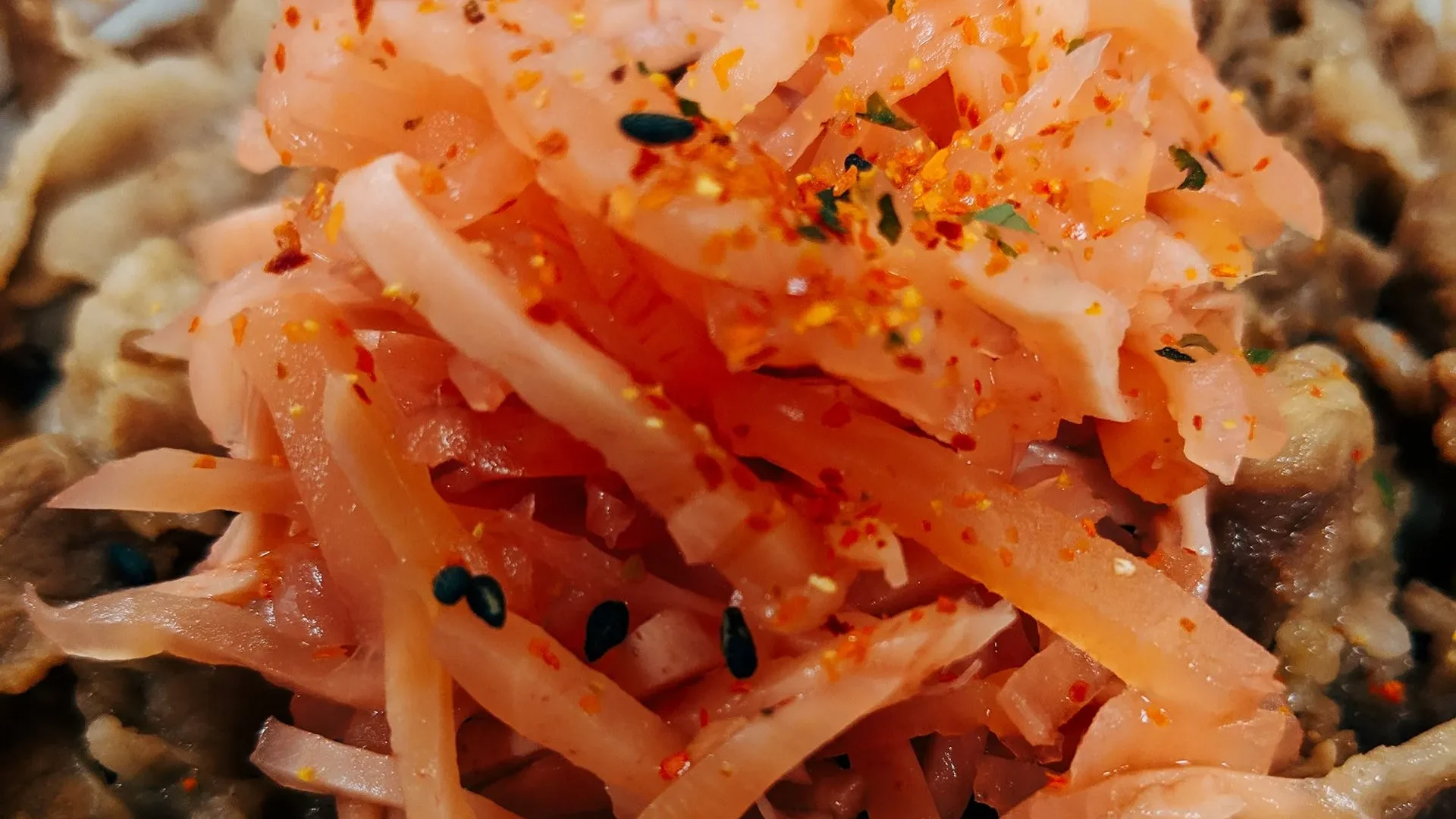
Starting with fermented food doesn’t require major dietary overhauls. Here are practical ways to add what is fermented food into your daily routine:
Start Small
Begin with small portions—a tablespoon or two of sauerkraut or kimchi with meals. This allows your digestive system to adjust gradually to the probiotics and beneficial bacteria.
Experiment With Different Types
Try various fermented foods to discover which ones you enjoy most. Your taste preferences will naturally guide you toward the fermented foods you’ll consume consistently.
Make It at Home
Homemade fermented food is simple, economical, and rewarding. All you need is fresh vegetables, salt, a jar, and patience. Home fermentation gives you complete control over ingredients and fermentation duration.
Add to Existing Meals
Top salads with fermented vegetables, add kimchi to rice bowls, stir sauerkraut into soups, or enjoy kombucha as your afternoon beverage. Integration is easier when you treat fermented food as a condiment or side rather than a main dish.
Quality Matters
When purchasing commercial fermented food, look for products labeled “raw” or “unpasteurized” to ensure the beneficial bacteria are still alive. Check ingredient lists to avoid unnecessary added sugars or preservatives.
Making Your Own Fermented Food at Home

One of the most rewarding aspects of understanding what is fermented food is realizing how simple it is to make at home. Basic fermented vegetables require just three ingredients: fresh vegetables, salt, and filtered water.
The basic process involves chopping your chosen vegetables, mixing them with salt (typically 2-5% of the vegetable weight), packing them into a clean jar, and ensuring they remain submerged under the brine. Cover the jar with a cloth to keep dust out while allowing gases to escape. Leave at room temperature, away from direct sunlight, and taste periodically until you reach your desired fermentation level.
Temperature significantly affects fermentation speed. Warmer environments (around 68-75°F) ferment faster than cooler spaces. Most vegetables ferment within 3-7 days at room temperature, though some people prefer longer fermentation times for more developed flavors.
Is fermented food safe to eat?
Can fermented food help with digestive issues?
How much fermented food should I eat daily?
Medical Disclaimer: This article is for educational purposes only and should not be considered medical advice. Fermented foods can be a nutritious addition to a balanced diet, but they are not a substitute for professional medical treatment. If you have existing health conditions, are taking medications, are pregnant or breastfeeding, or have concerns about your digestive health, please consult with a qualified healthcare provider before making significant dietary changes. Individual responses to fermented foods vary, and what works well for one person may not be suitable for another.
Conclusion: Embrace the World of Fermented Food

Understanding what is fermented food opens the door to a world of delicious, nutritious foods with a rich history spanning thousands of years. From the tangy crunch of homemade sauerkraut to the complex flavor of aged miso, fermented foods offer both culinary excitement and potential health benefits. The beauty of fermented food lies in its simplicity—no special equipment or complex techniques required, just natural processes that have stood the test of time.
Whether you’re interested in supporting your gut health, exploring new flavors, or connecting with traditional food preservation methods, fermented food deserves a place on your plate. Start small, experiment with varieties that appeal to you, and observe how your body responds. Many people find that incorporating fermented food into their daily routine becomes a simple, enjoyable habit with noticeable positive effects.
Ready to dive deeper into the world of fermented foods and gut health? Visit Brine & Thrive at zymgut.com to explore our complete collection of fermented food guides, recipes, and resources. Whether you’re a complete beginner or looking to expand your fermentation skills, we’re here to support your journey toward better gut health and nutritional excellence.