
Kombucha has exploded in popularity over the past decade, with devotees claiming it’s a miracle drink for digestive wellness. You’ve probably seen bottles lining the shelves of health food stores, or heard friends raving about how it transformed their gut health. But what does the science actually say about kombucha benefits for gut health? In this comprehensive guide, we’ll separate fact from fiction and explore what research reveals about this fermented tea beverage.
What Is Kombucha and How Is It Made?

Before diving into kombucha benefits for gut health, let’s understand what we’re actually drinking. Kombucha is a fermented beverage made from sweetened black or green tea that’s fermented using a symbiotic culture of bacteria and yeast (SCOBY). This living culture transforms the tea through a fermentation process lasting 7-30 days, depending on desired tartness and brewing conditions.
The fermentation process is key to understanding kombucha’s potential health properties. During fermentation, the SCOBY consumes much of the sugar while producing beneficial compounds like organic acids, B vitamins, and probiotics. This transformation is what makes kombucha unique among beverages and why researchers have become increasingly interested in its potential gut health applications.
Kombucha Benefits for Gut Health: The Probiotic Connection

One of the primary reasons people seek out kombucha benefits for gut health is its probiotic content. Probiotics are live beneficial bacteria that support digestive function and overall gut health. During fermentation, kombucha develops various bacterial strains, primarily acetic acid bacteria and lactic acid bacteria.
These probiotics can potentially help balance your gut microbiome—the complex ecosystem of microorganisms in your digestive system. A healthy gut microbiome is linked to improved digestion, enhanced immune function, and better overall wellness. However, it’s important to note that not all kombucha contains the same probiotic strains or quantities. Pasteurized kombucha may contain fewer live cultures than unpasteurized versions, affecting its probiotic potency.
Research suggests that kombucha’s probiotic content may support:
- Improved digestive efficiency
- Better nutrient absorption
- Enhanced immune system function
- Reduced bloating and digestive discomfort
Organic Acids and Digestive Support

Beyond probiotics, kombucha benefits for gut health include its organic acid content. The fermentation process produces several acids, including acetic acid, gluconic acid, and lactic acid. These compounds play important roles in digestive health.
Organic acids in kombucha may help:
- Support healthy stomach acid levels for better digestion
- Enhance nutrient bioavailability
- Promote the growth of beneficial gut bacteria
- Support liver detoxification pathways
The acidic nature of kombucha also creates an environment less hospitable to harmful pathogens, potentially protecting your digestive system from unwanted invaders. This prebiotic-like effect—where the drink creates conditions favorable for beneficial bacteria—adds another dimension to kombucha benefits for gut health beyond simple probiotic supplementation.
What Research Says About Kombucha Benefits for Gut Health
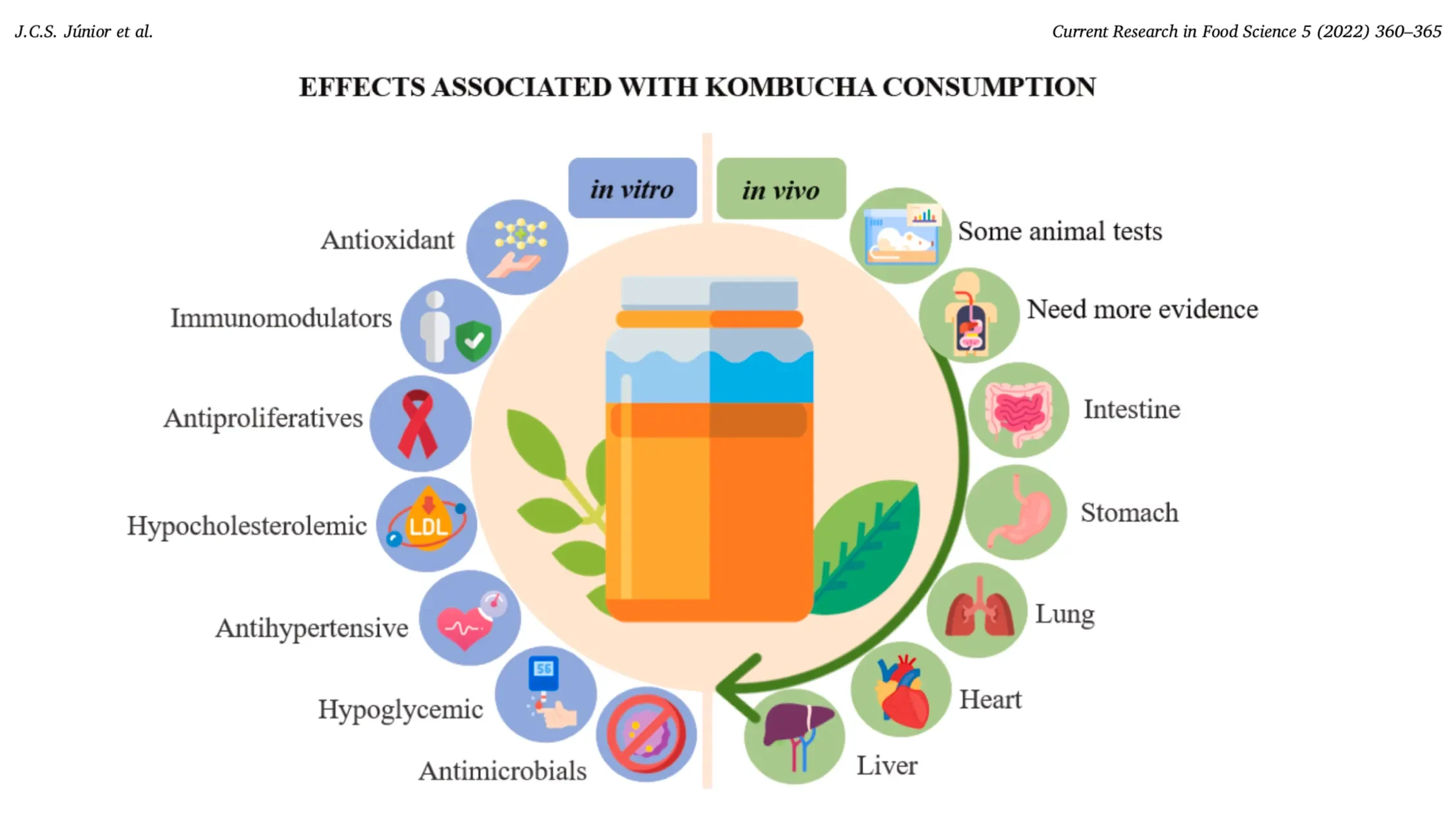
While kombucha has been consumed for centuries in traditional medicine, modern scientific research is still catching up. Several studies have examined kombucha’s potential benefits, though the research base remains relatively limited compared to other fermented foods like yogurt and sauerkraut.
Available research on kombucha benefits for gut health suggests:
- Microbial diversity: Some studies indicate kombucha consumption may increase the diversity of gut bacteria, which correlates with better overall health outcomes.
- Antioxidant properties: Kombucha contains polyphenols from tea that act as antioxidants, potentially reducing oxidative stress in the gut.
- Antimicrobial activity: Laboratory studies show kombucha has antimicrobial properties against certain harmful bacteria.
- Short-chain fatty acid production: Kombucha may support the production of butyrate and other beneficial short-chain fatty acids important for gut barrier health.
However, most human studies have been small or preliminary. More large-scale, controlled trials are needed to definitively establish all kombucha benefits for gut health. Current research is promising but not yet conclusive enough to make definitive medical claims.
How to Choose Quality Kombucha for Maximum Gut Benefits

Not all kombucha products are created equal, which affects the degree of kombucha benefits for gut health you’ll receive. When shopping for kombucha, consider these factors:
Look for:
- Unpasteurized varieties that retain live cultures
- Minimal added sugars (ideally less than 5g per serving after fermentation)
- Organic tea ingredients when possible
- Transparent labeling about fermentation time and ingredients
- Products stored in glass bottles rather than plastic
Be cautious of:
- Heavily sweetened versions that undermine gut health benefits
- Products with unclear fermentation standards
- Kombucha with excessive additives and flavorings
You might also consider making your own kombucha at home to ensure optimal fermentation and probiotic content. Home-brewed kombucha allows you to control ingredients and fermentation time, potentially maximizing kombucha benefits for gut health.
Incorporating Kombucha Into Your Gut Health Routine

If you’re interested in exploring kombucha benefits for gut health, start slowly. Begin with 4-8 ounces per day to allow your digestive system to adjust to the probiotics and acids. Some people experience temporary digestive changes as their microbiome adapts—this is usually a positive sign of the fermentation working.
Remember that kombucha works best as part of a comprehensive gut health strategy that includes a diverse diet rich in fiber, adequate hydration, stress management, and quality sleep. Combine kombucha benefits for gut health with other fermented foods like sauerkraut, kimchi, and yogurt for a synergistic effect on your microbiome.
How much kombucha should I drink daily for gut health benefits?
Most health experts recommend starting with 4-8 ounces of kombucha daily to allow your digestive system to adjust. As tolerance increases, you can consume up to 16 ounces per day. However, it’s important not to exceed 32 ounces daily, as excessive consumption may cause digestive issues or caffeine sensitivity. Always listen to your body and consult with a healthcare provider about what’s appropriate for your individual health situation.
Is kombucha safe for people with digestive sensitivities?
While many people tolerate kombucha well, those with certain conditions should proceed cautiously. Individuals with histamine intolerance, FODMAP sensitivities, or candida overgrowth should consult a healthcare provider before consuming kombucha regularly. The fermentation process can increase histamine content and may not be suitable for everyone. Additionally, the carbonation and acids may irritate sensitive digestive systems initially.
Does pasteurized kombucha have the same gut health benefits as unpasteurized?
Pasteurized kombucha has significantly fewer live probiotic cultures than unpasteurized versions, which reduces some of the kombucha benefits for gut health. While pasteurized kombucha retains some beneficial compounds like organic acids and antioxidants, it lacks the living bacteria that make unpasteurized kombucha particularly valuable for microbiome support. If probiotic content is your primary goal, unpasteurized kombucha is the better choice.
Medical Disclaimer
The information provided in this article is for educational and informational purposes only and should not be construed as medical advice. Kombucha is not intended to diagnose, treat, cure, or prevent any disease. Individual results may vary based on numerous factors including existing health conditions, medications, and overall lifestyle. People with compromised immune systems, pregnant women, nursing mothers, and those taking certain medications should consult with a qualified healthcare provider before incorporating kombucha into their routine. This article does not replace professional medical diagnosis or treatment.
Conclusion: Kombucha as Part of Your Gut Health Strategy
Kombucha benefits for gut health are promising, backed by both traditional use and emerging scientific evidence. The probiotics, organic acids, and antioxidants in this fermented beverage make it a worthwhile addition to a comprehensive gut health approach. However, it’s not a magic cure-all—rather, it’s one tool among many for supporting digestive wellness.
The best results come from viewing kombucha as part of a bigger picture that includes diverse fiber intake, stress management, adequate sleep, and other fermented foods. Choose high-quality, unpasteurized kombucha when possible, start with small amounts, and pay attention to how your body responds.
Ready to explore more evidence-based approaches to gut health? Visit Brine & Thrive at zymgut.com to discover comprehensive resources about fermented foods, gut health science, and practical strategies for optimizing your microbiome. Our expert guides will help you build a personalized gut health routine that works for your unique needs.
Photo by Macourt Media on Pexels