
I spent three years of my life running to the bathroom at unpredictable moments, bloated after almost every meal, convinced my gut was permanently broken. When a gastroenterologist finally suggested I try a probiotic drink as part of a larger gut-healing strategy, I was skeptical. I’d already tried probiotics in pill form with mixed results, and I wasn’t sure a beverage would be any different. But something about adding fermented drinks to my routine, combined with dietary changes, actually shifted things for me. That’s when I realized most people don’t actually know what a probiotic drink is, what it does, or which ones are worth the money. So let me break it down from someone who’s been there.
What exactly is a probiotic drink?
A probiotic drink is any beverage containing live beneficial bacteria (and sometimes yeasts) intended to support your gut microbiome. The term sounds simple, but what’s actually in the bottle varies wildly depending on the product. Some are fermented foods turned into drinks, like kombucha or water kefir. Others are just filtered water with added probiotic cultures that never actually fermented. That distinction matters more than you’d think.
The bacteria in these drinks are typically strains like Lactobacillus, Bifidobacterium, or Saccharomyces boulardii. When you drink them, they make their way to your colon where they can theoretically colonize and contribute to your microbial ecosystem. I say “theoretically” because whether they actually stick around is still being studied. A 2020 review in the journal Cell found that probiotics behave differently in different people depending on their existing microbiome composition, antibiotic history, and diet. Translation: your gut might respond to a probiotic drink differently than your friend’s does, and that’s completely normal.
The key thing distinguishing a probiotic drink from regular juice is the presence of living microorganisms. Once you pasteurize it, you’ve killed the bacteria, and it’s no longer technically a probiotic. This is where a lot of misleading marketing happens. A bottle that says “made with probiotics” but has been heat-treated is not going to deliver the same benefit as one with live, active cultures.
Types of probiotic drinks worth trying

Kombucha
Kombucha is a fermented sweet tea made with a SCOBY (symbiotic culture of bacteria and yeast). When I first tried kombucha regularly, I noticed my bloating decreased noticeably within about two weeks, though it took me longer to figure out that the sugar content was sometimes causing other issues. A typical bottle contains 2-8 grams of sugar depending on the brand and how long it fermented. Longer fermentation equals less sugar and more acidic taste.
The bacteria and yeast in kombucha produce beneficial compounds like acetic acid and B vitamins during fermentation. Most commercial kombucha brands contain between 1 billion to 10 billion CFUs (colony-forming units) per bottle, though the exact count isn’t always labeled. Look for brands that list their SCOBY origin and fermentation time. If you see “naturally fermented” on the label but no fermentation duration, that’s a yellow flag for under-fermented product.
Kefir (dairy and non-dairy)
Dairy kefir has always been my go-to. It’s a fermented milk drink with over 30 different bacterial and yeast strains, making it one of the most microbiologically diverse probiotic drinks available. One study published in Nutrients found that kefir consumption improved symptoms in people with IBS, particularly those with bloating and irregular bowel movements.
The catch: if you’re lactose intolerant, fermentation significantly reduces lactose content (usually to less than 1%), but it doesn’t eliminate it completely. I can tolerate dairy kefir fine now after healing my gut, but in my worst IBS days, even that small amount would upset me. Non-dairy kefir made from coconut or oat milk exists, but it’s typically lower in CFUs because the non-dairy bases don’t support bacterial growth as well as milk does.
Water kefir
Water kefir is fermented sugar water (not milk), made with water kefir grains. It contains fewer bacterial strains than dairy kefir but is a good option if you’re avoiding dairy and don’t want the sugar of kombucha. One thing that surprised me is how bland basic water kefir tastes straight up. Most people need to second-ferment it with juice or ginger to make it palatable. The CFU count varies hugely depending on fermentation time, but typically ranges from 500 million to 2 billion per cup.
Kvass
Kvass is a traditional Eastern European fermented rye bread drink. It’s less common in North America but worth seeking out if you can find it. The fermentation process creates lactic acid bacteria and beneficial yeasts. Kvass tends to be lower in sugar than kombucha and has a uniquely earthy, slightly sour taste. I find it the most “acquired” of the probiotic drinks, but people who like it tend to really like it.
Do probiotic drinks actually work?
Here’s where I need to be honest: the research is promising but not conclusive. Probiotic drinks can help some people with some conditions. They’re not magic. Most studies looking at probiotics show modest benefits for IBS symptoms, bloating, and occasional constipation. The effect sizes are small to moderate, which means they help noticeably for some people and barely at all for others.
What probably matters more than the specific drink is consistency and what else you’re doing. When I started drinking kefir daily, I also increased my fiber intake, cut out ultra-processed foods, and reduced stress through walks and sleep. Isolating the kefir as the “cause” of my improvement would be misleading. That said, I genuinely believe the probiotics contributed because when I stopped drinking it for a month to test, my symptoms crept back.
One important caveat: if you have SIBO (small intestinal bacterial overgrowth), fermented foods and probiotic drinks can sometimes make things worse, not better. The bacteria in these drinks feed on the same sugars that SIBO bacteria love. If you have SIBO, consult your doctor before adding probiotic drinks to your routine. This is one case where the standard “probiotics are good” advice doesn’t apply.
The timing of when you drink it matters too. Stomach acid destroys some bacteria, so taking your probiotic drink with food, especially food containing some fat, helps more bacteria survive to reach your colon. I started drinking my kefir with breakfast rather than on an empty stomach and noticed better digestion overall.
Quality markers: what to actually look for
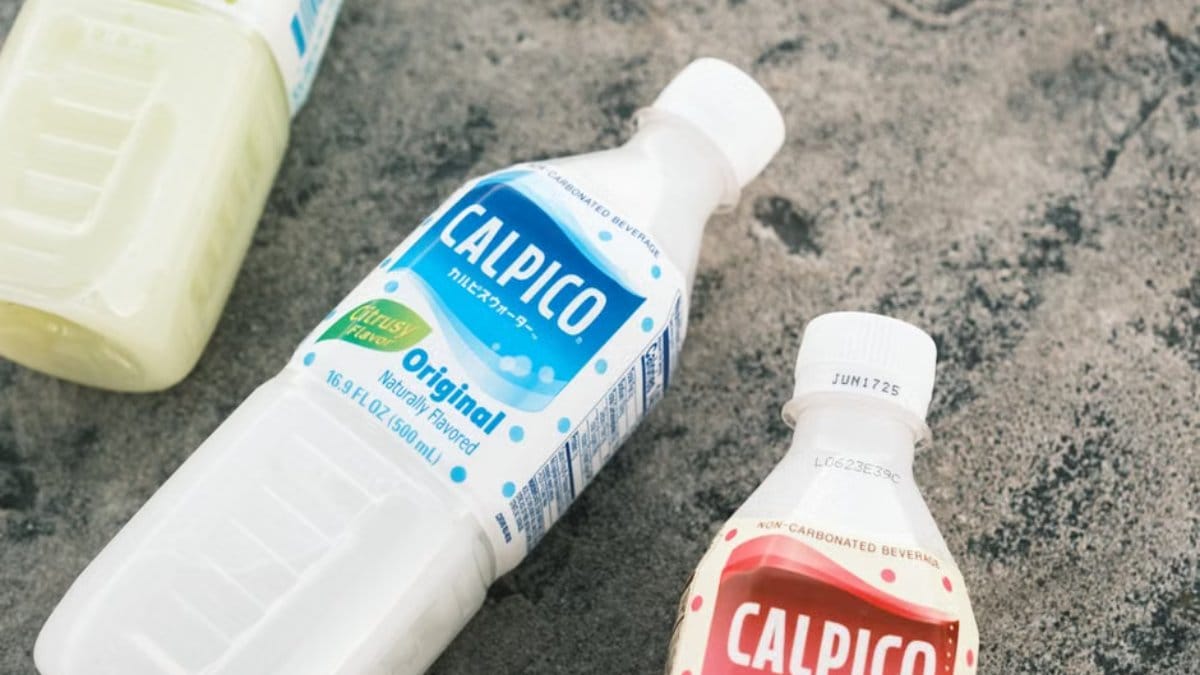
Most articles recommend looking for “live and active cultures,” but that’s vague. Here’s what actually matters:
CFU count: Look for at least 1 billion CFUs per serving. Anything less than 500 million is probably not delivering meaningful benefit. Dairy kefir typically has 5-10 billion CFUs per cup, making it one of the highest-potency drinks available. Kombucha usually falls between 1-5 billion per bottle.
Strain diversity: Dairy kefir with 30+ strains beats a single-strain product because your microbiome benefits from diversity. If the label lists specific strains (L. acidophilus, B. longum, etc.), that’s a good sign the manufacturer actually knows what’s in their product.
Fermentation duration: For kombucha, anything fermented less than 7 days is under-fermented and will have higher sugar. Look for 14-30 day fermentations if you’re concerned about sugar content. Kefir doesn’t have a standardized fermentation time, but thicker, tangier kefir indicates longer fermentation and slightly lower lactose.
Storage method: Refrigerated probiotic drinks are more likely to have living cultures than shelf-stable ones. Shelf-stable products often have added probiotics that may not be as viable as those in fermented drinks. Check the “best by” date and assume the CFU count decreases over time.
Avoid: Anything labeled “pasteurized” after fermentation. The heat kills the probiotics. Also skip products with added probiotics that weren’t naturally fermented. These are basically just marketing, not actual fermented beverages.
Probiotic drinks versus probiotic supplements: which is better?
Most health articles treat these as equivalent, but they’re not. Probiotic drinks come with the actual fermentation byproducts (short-chain fatty acids, organic acids, enzymes) that your gut actually benefits from. A probiotic capsule gives you isolated bacteria strains, period. The fermentation byproducts might matter more than the bacteria themselves for some conditions.
That said, probiotic supplements are more convenient, easier to travel with, and have standardized CFU counts. If you’re taking antibiotics, a probiotic supplement started partway through treatment might be more practical than managing fermented drinks. When I travel, I use capsule probiotics because keeping kefir refrigerated in a hotel is annoying.
The better approach: combine them. Drink probiotic beverages as part of your regular diet, and use supplements when needed (during travel, illness, or antibiotic use). Don’t spend $40 per month on premium supplements if you’re not also improving your diet and reducing processed foods. Probiotics work best when there’s already good soil for them to grow in.
How to start and what to expect
Start small. A common mistake is drinking too much too fast. Begin with 1/4 cup of kefir or 4-6 ounces of kombucha per day for 3-5 days, then increase to a full serving if you tolerate it well. Some people experience temporary bloating or gas as their microbiome adjusts. This typically resolves within a week.
If you’re sensitive to fermented foods or have histamine sensitivity, introduce these slowly. The fermentation process creates histamine, and for some people this triggers headaches, flushing, or digestive upset. Longer-fermented products (30+ days) have lower histamine than shorter fermentations.
Consistency matters more than perfection. Daily small amounts of probiotic drink beat occasional large amounts. I drink about 1 cup of kefir most mornings, and that routine is more valuable than occasionally drinking an expensive probiotic smoothie.
Track your own response. Keep a simple log of what you’re drinking and how you feel for a few weeks. You should notice changes in bloating, regularity, or energy by week three if the drink is helping. If nothing shifts by week four, try a different type or brand before giving up.
Are probiotic drinks better than supplements?
Probiotic drinks offer fermentation byproducts that isolated supplements don’t, but supplements are more convenient and have standardized CFU counts. The best approach uses both: drink fermented beverages regularly and use supplements during travel or illness.
How much probiotic drink should I have daily?
Start with 1/4 cup per day and gradually increase to 1 cup (8 ounces) over a week. That gives you roughly 2-5 billion CFUs daily, which is the range shown in most research. More isn’t necessarily better. Consistency matters more than quantity.
Can I make probiotic drinks at home?
Yes. Dairy kefir, water kefir, and kombucha are all home-fermentable with the right cultures or SCOBY. Home fermentation gives you control over fermentation time and sugar content, but requires proper sanitation to avoid contamination. Start with a reliable recipe and quality starter culture.
Medical Disclaimer: This article is for informational purposes only and does not constitute medical advice. Always consult a qualified healthcare professional before making changes to your diet or health routine, especially if you have existing digestive conditions, are taking medications, or are pregnant or breastfeeding.
The bigger picture
A probiotic drink is useful, but it’s one piece of gut health, not the whole picture. You can drink the best kefir money can buy and still have problems if you’re eating ultra-processed food, not sleeping, or under constant stress. The biggest thing that helped me wasn’t the kefir alone. It was treating the probiotic drink as permission to also examine everything else: my sleep schedule, my stress response, my actual diet quality, and how I was treating my body overall. The kefir became a daily ritual that anchored better habits. That’s when real change happened.
If you’re considering adding a probiotic drink to your routine, start with dairy kefir or kombucha depending on your preferences and dietary restrictions. Look for at least 1 billion CFUs, live and active cultures, and realistic fermentation times. Start small, be consistent, and give it at least three weeks before deciding if it’s working. And remember that it’s a tool to support better overall habits, not a replacement for them.
Featured photo by Heather Brock on Pexels