When I first started healing my gut, I made a rookie mistake: I bought a jar of sauerkraut from the supermarket shelf, ate it religiously for a month, and wondered why my bloating hadn’t budged. It wasn’t until a nutritionist friend asked, “Did you check if it was pasteurised?” that I realised I’d been eating dead food the whole time. That single oversight cost me weeks of progress. The difference between live fermented foods and their pasteurised cousins is enormous, and once you understand why, you’ll never look at a fermentation label the same way again.
What makes fermented foods “live” in the first place?
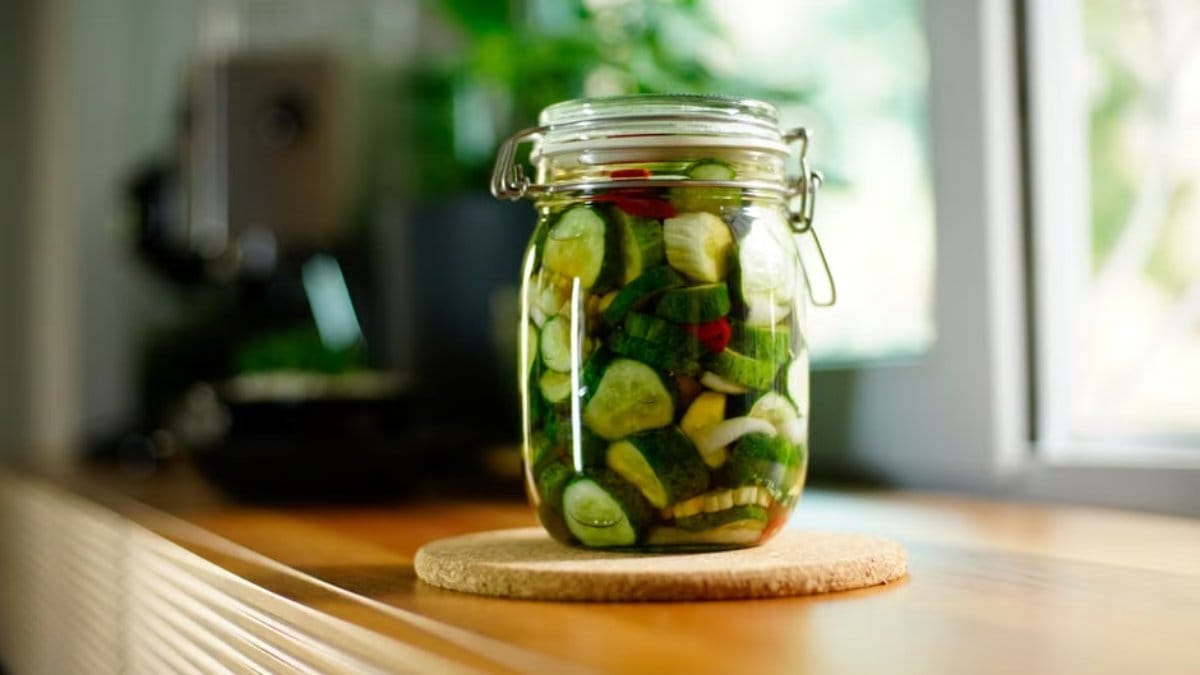
Before we get into the live versus pasteurised debate, let’s ground ourselves in what we’re actually talking about. Fermented foods are created when beneficial bacteria and yeasts consume sugars and starches, producing lactic acid, acetic acid, and other compounds that preserve the food and create that signature tangy flavour. The bacteria doing the heavy lifting are usually Lactobacillus species, which thrive in salt-based brines or naturally oxygen-poor environments.
When fermentation happens naturally, these bacteria multiply. A gram of naturally fermented sauerkraut can contain anywhere from 100 million to several billion colony-forming units (CFUs) of live bacteria. That’s the “live” part. The bacteria are metabolically active, still producing beneficial compounds like short-chain fatty acids and B vitamins as they sit in your jar or bottle.
The moment you heat-treat that jar, everything changes.
The pasteurisation problem: why heat kills the benefit
Pasteurisation is a heat treatment designed to kill pathogens and extend shelf life. For fermented foods, it typically involves heating the product to around 65-80°C for 30 seconds or longer. The bacteria die. The yeasts die. What you’re left with is a food that tastes fermented but contains no living microorganisms.
This is where most commercial brands lose me. Manufacturers pasteurise because it makes the product safer to ship, store for longer, and sell in bulk. But it also removes the entire mechanism by which fermented foods actually help your gut. You’re not getting the probiotics. You’re not getting the live enzymes that help with nutrient absorption. You’re essentially eating a flavoured vegetable with a nice tangy taste and, honestly, not much else.
A 2014 study published in Nutrients found that heat-treated fermented foods retained some of the beneficial compounds produced during fermentation (like certain organic acids), but the viable probiotic count dropped to essentially zero. So yes, pasteurised fermented foods are better than regular vegetables, but they’re not fermented foods in the sense that matters most for gut health.
One thing that surprised me when I switched to live fermented foods: the texture is different. Pasteurised sauerkraut tends to be softer, sometimes almost mushy. Live sauerkraut has a crisp bite to it because the cell walls haven’t been broken down by heat. It’s a small thing, but once you notice it, you can’t unsee it.
What counts as truly “live”?
A truly live fermented food should say “raw” or “unpasteurised” on the label. Some brands explicitly state “contains live cultures” or list CFU counts. If the label doesn’t mention this, and the product has been heat-treated, it’s pasteurised. Check the ingredient list too: if it says “pasteurised” anywhere, that’s your answer.
Temperature during storage also matters. Live fermented foods need to be kept in the fridge because the bacteria are still alive and metabolically active. If you see a fermented product sitting at room temperature on a shelf, it’s either pasteurised or it’s not going to stay stable for long.
The actual science: what live fermented foods do that pasteurised ones can’t
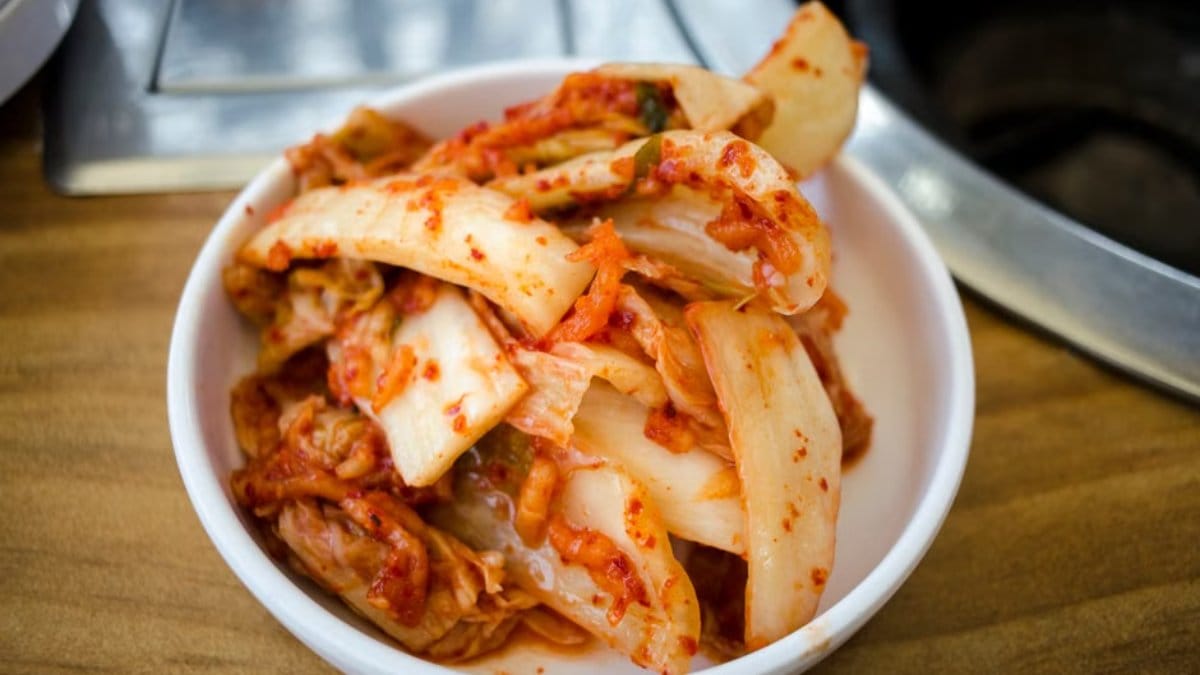
There’s a meaningful difference in what your gut actually receives when you eat live versus dead fermented food. Research from the journal Applied and Environmental Microbiology demonstrated that live Lactobacillus strains from fermented foods can temporarily colonise the gut, influence local immune function, and produce metabolites that feed your own beneficial bacteria. Pasteurised fermented foods, even though they contain the bacterial cells themselves, can’t do any of this because the organisms aren’t viable.
The live bacteria in fermented foods also produce short-chain fatty acids, particularly butyrate, as they pass through your digestive system. Butyrate is fuel for your colon cells and has anti-inflammatory effects. Pasteurised fermented foods contain butyrate already produced during fermentation, which is useful, but they don’t generate new butyrate as they move through your system the way live fermented foods do.
This is subtle but significant. Your gut isn’t just a tube. It’s a living ecosystem. Live fermented foods interact with that ecosystem. Pasteurised fermented foods are more like a nutrient supplement that happens to taste like sauerkraut.
The probiotic count question
I’ve seen labels claiming pasteurised fermented foods contain probiotics because manufacturers sometimes add them back after heat treatment. This feels like a workaround to me. If you’re buying a fermented food specifically for probiotics, you want the naturally abundant strains created during fermentation, not the ones artificially added afterward. The natural fermentation process selects for strains that are robust and actually suited to that specific food matrix.
Look for at least 1 billion CFUs per serving if you’re choosing a live fermented food as a primary probiotic source. Most raw sauerkraut and kimchi brands deliver this without any issue. Kefir and kombucha vary widely, so check the label.
The honest caveat: live fermented foods aren’t for everyone
Here’s where I have to be real: if you have active small intestinal bacterial overgrowth (SIBO), live fermented foods can be problematic. The high levels of fermentable carbohydrates and live bacteria can trigger symptoms like bloating, gas, and digestive distress. If you have SIBO or suspect you do, work with a practitioner before adding live fermented foods. Pasteurised versions might actually be a safer starting point for you, even though they’re not ideal long-term.
If you have histamine intolerance, this matters too. Fermentation creates histamine as a byproduct. Live fermented foods continue producing histamine as long as the bacteria are metabolically active. Pasteurised fermented foods have a fixed histamine level. For people sensitive to histamine, pasteurised might genuinely be the better choice, even though it goes against the general principle.
And if you have a severely compromised immune system, talk to your doctor before eating live fermented foods. The bacteria, even beneficial ones, can theoretically pose a risk.
For most people though, these caveats don’t apply. If your gut is reasonably stable and you don’t have SIBO or severe histamine sensitivity, live fermented foods are the way to go.
How to choose and use live fermented foods correctly
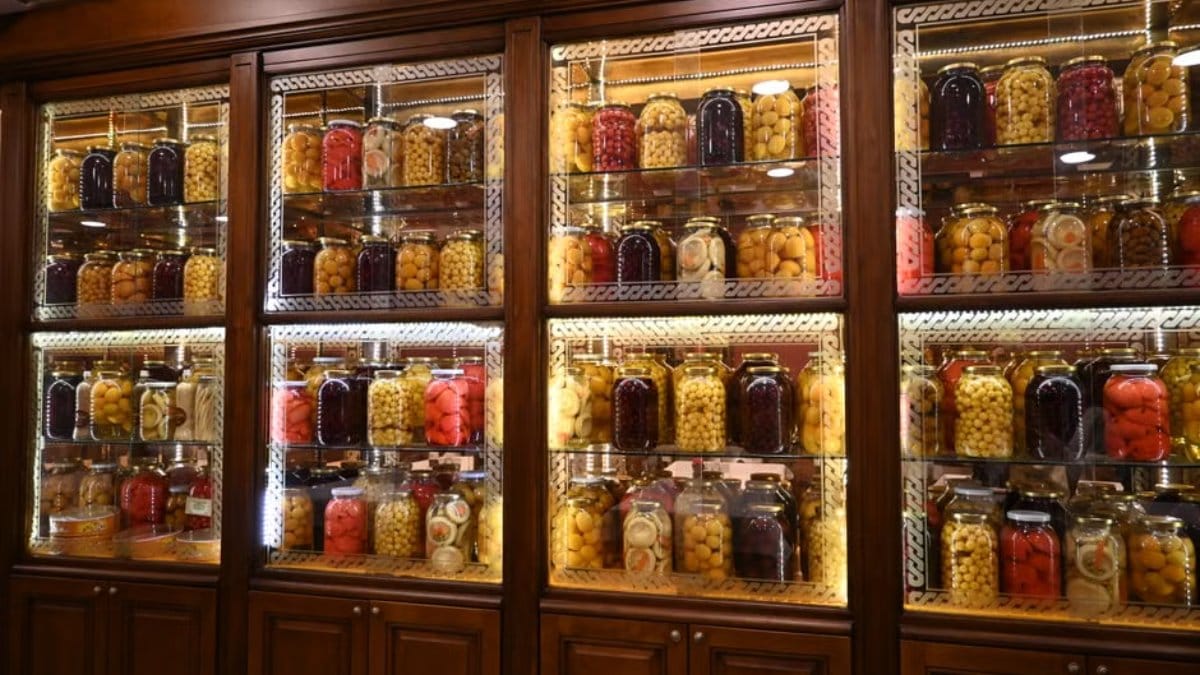
Start slowly. I know it’s tempting to load your plate with homemade sauerkraut when you first discover live fermented foods, but your gut needs to adjust. Begin with 1 tablespoon per day, preferably with a meal. After a week, increase to 2 tablespoons. Give yourself at least 2-3 weeks before reaching a full serving of about a quarter cup daily.
Buy from the refrigerated section. This is non-negotiable. If it’s not cold, it’s either pasteurised or it’s unstable. Brands like Brae, Remedy, and Loving Earth make reliably good raw fermented vegetables in Australia and the UK. In the US, Farmhouse Culture and Ozark Natural Foods are solid choices. Read the label to confirm unpasteurised status and check the CFU count if listed.
Store it in the fridge at all times. Live fermented foods will continue fermenting slowly at cold temperatures, which is actually ideal. They’ll develop flavour over time. Some people find them more potent after a few months in the fridge; others prefer them fresher. Taste a small spoonful if you’re unsure.
Timing matters slightly. Eating fermented foods with meals is gentler on digestion than on an empty stomach, especially if you’re new to them. The food helps buffer the acidity and gives the bacteria a stable environment to work in.
Making your own live fermented foods
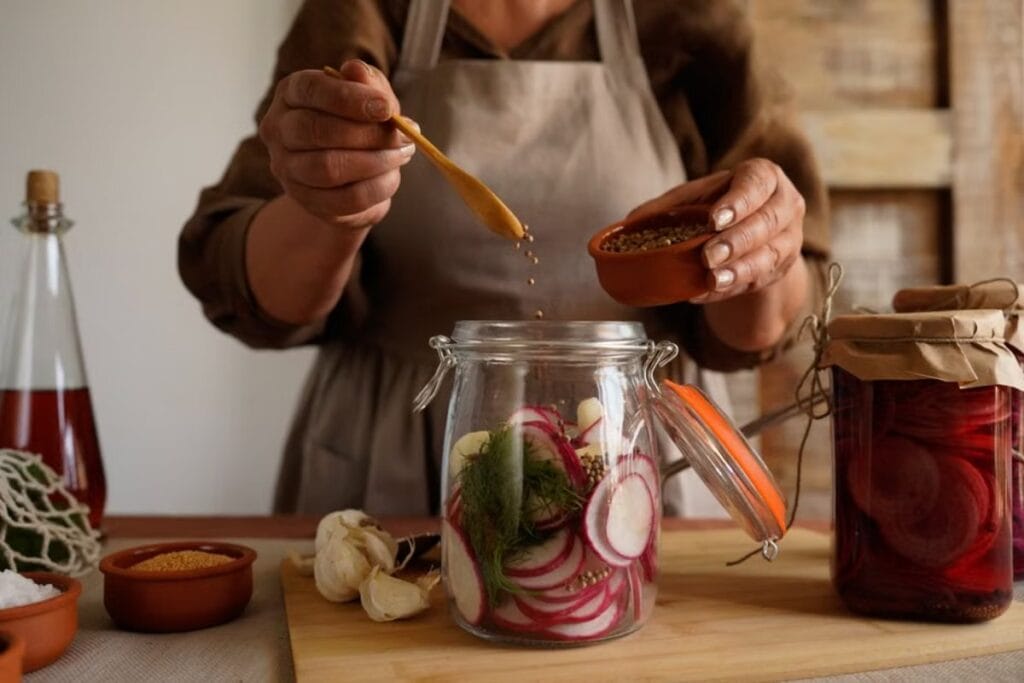
The most reliable way to guarantee you’re eating live fermented foods is to make them yourself. A basic sauerkraut requires just cabbage, salt, and a jar. Ferment it for 2-4 weeks at room temperature, then refrigerate. Homemade sauerkraut typically contains between 1 and 10 billion CFUs per tablespoon by the end of fermentation. You know exactly what went into it, and you know it’s not pasteurised.
If you go this route, invest in a proper fermentation vessel or use a glass jar with a cloth cover. The setup doesn’t need to be fancy, but it does need to exclude oxygen while allowing gases to escape.
Live fermented foods vs. pasteurised: the direct comparison
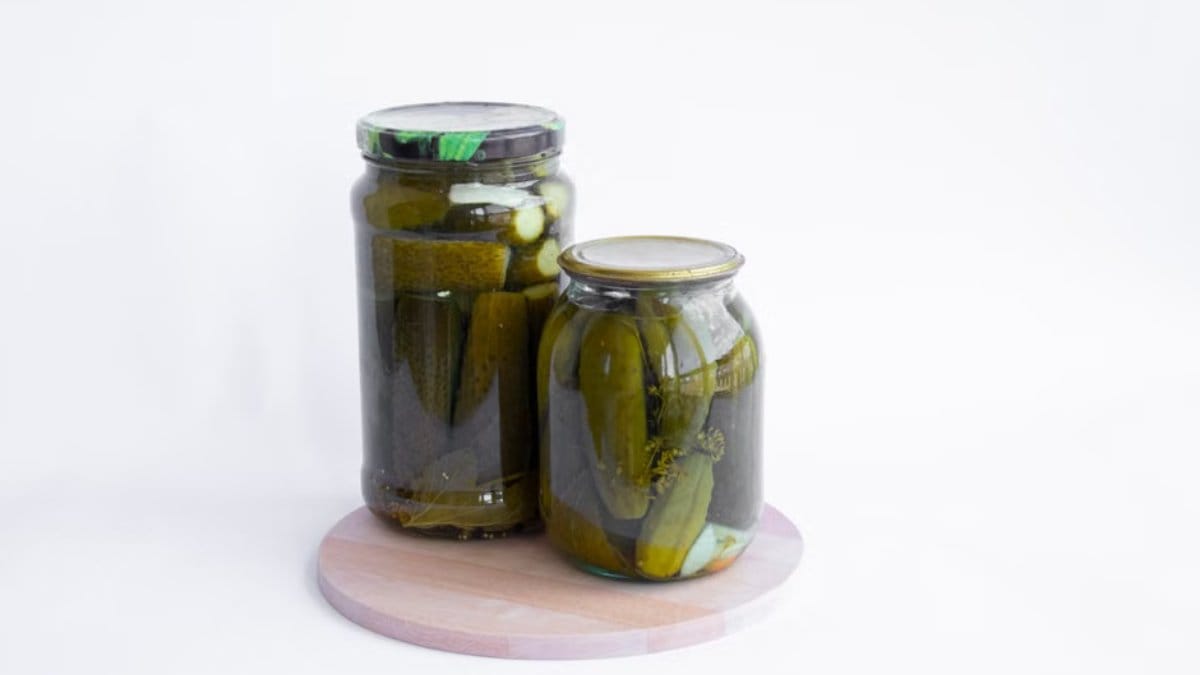
Let me lay out the practical differences side by side so you can make an informed choice:
Live fermented foods: Contain billions of viable bacteria per serving. Continue producing beneficial compounds like butyrate and B vitamins as they pass through your system. Require refrigeration. Have a shorter shelf life (typically 4-8 months). May cause temporary digestive symptoms in sensitive individuals. Taste fresher and crisper. Cost slightly more.
Pasteurised fermented foods: Contain zero viable bacteria post-treatment (some brands add probiotics back). Retain some fermentation byproducts like organic acids but don’t generate new beneficial compounds. Can be stored at room temperature. Last much longer on shelves. Unlikely to cause digestive symptoms. May taste slightly softer or less vibrant. Usually cheaper.
If your goal is gut health, live fermented foods win. If your goal is simply adding fermented flavour to meals and you have SIBO or histamine sensitivity, pasteurised might be pragmatic. But don’t fool yourself into thinking pasteurised fermented foods are delivering the same benefit as live ones. They’re not.
Making the switch: what I noticed when I stopped buying pasteurised
When I switched from commercial pasteurised sauerkraut to buying raw fermented vegetables from a local producer, the difference in my digestion was noticeable within two weeks. My bloating decreased. My energy improved slightly. My skin looked clearer. Were these all directly caused by the live bacteria? Possibly not. The placebo effect is real. But the improvement was consistent enough that I’ve stuck with it for years.
The biggest thing that helped me was realising that fermented foods are only fermented foods if they contain living bacteria. The taste is nice, the nutrients are there, but the active probiotic benefit is what makes fermentation special. Once I started prioritising live fermented foods and stopped settling for whatever looked good in the supermarket, my whole approach to gut health changed.
Are live fermented foods better than pasteurised fermented foods?
For most people with healthy immune systems, yes. Live fermented foods contain billions of viable bacteria that continue producing beneficial compounds like butyrate as they pass through your digestive system. Pasteurised fermented foods have been heat-treated, killing the bacteria and removing their active probiotic benefit. However, if you have SIBO, histamine intolerance, or a compromised immune system, pasteurised versions may be safer to start with. Consult a healthcare practitioner for personalised advice.
How can I tell if a fermented food is live or pasteurised?
Check the label for words like “raw,” “unpasteurised,” or “contains live cultures.” Live fermented foods must be stored in the refrigerated section, never on shelf at room temperature. If the label says “pasteurised” anywhere or if the product is stored at room temperature, it’s been heat-treated. You can also look for CFU counts listed on the label; live fermented foods typically contain at least 1 billion CFUs per serving.
How much live fermented food should I eat daily for gut health?
Start with 1 tablespoon per day with a meal, increasing to 2 tablespoons after one week. A therapeutic serving is typically around a quarter cup (about 60 millilitres) daily. If you’re new to fermented foods or have a sensitive digestive system, go slowly and give your body 2-3 weeks to adjust. More is not necessarily better; consistency matters more than volume.
Medical Disclaimer: This article is for informational purposes only and does not constitute medical advice. Always consult a qualified healthcare professional before making changes to your diet or health routine, especially if you have existing digestive conditions, are pregnant, breastfeeding, or taking medications that may interact with fermented foods.
Featured photo by hello aesthe on Pexels