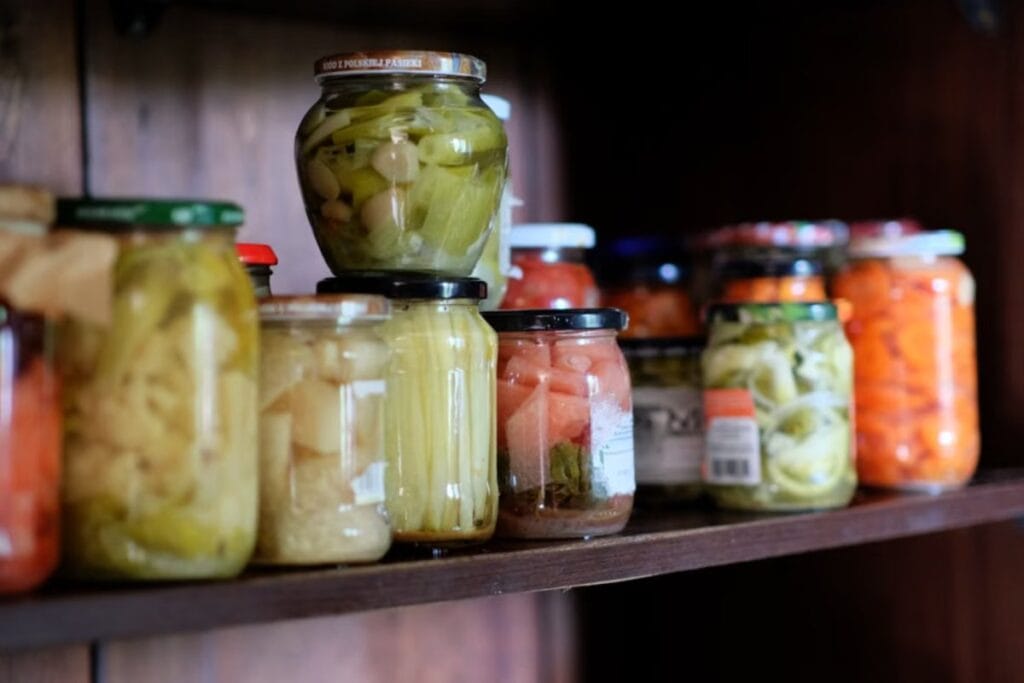
When I first started exploring fermented foods to heal my leaky gut, I felt like I’d found the missing puzzle piece. Sauerkraut, kombucha, kefir, miso – everything pointed to these foods being nutritional superstars. But about three weeks into my routine, I started experiencing splitting headaches, flushed skin, and a weird brain fog that made me feel like I was moving through water. It took me months to realize that histamine intolerance, fermented foods don’t always play well together. If you’re dealing with histamine intolerance, the relationship with fermented foods is complicated. These foods are celebrated for their probiotic benefits, but they’re also among the highest sources of histamine available. This article breaks down what actually happens when these two collide, who really needs to worry, and how to figure out if fermented foods are helping or hurting you.
What is histamine intolerance, really?
Before we talk about fermented foods specifically, we need to understand histamine intolerance itself. It’s not an allergy, and it’s not uncommon as many people think. Histamine is a natural compound your body produces and uses for immune response, stomach acid regulation, sleep-wake cycles, and blood vessel dilation. The problem occurs when you either produce too much histamine or your body can’t break it down fast enough.
The enzyme responsible for breaking down histamine is called diamine oxidase, or DAO. If you don’t produce enough DAO, or if your DAO isn’t working efficiently, histamine builds up in your system. This accumulation triggers symptoms that mimic allergies: headaches (especially migraines), flushed skin, itching, hives, digestive cramping, and sometimes brain fog or anxiety.
Here’s where it gets tricky: histamine intolerance isn’t an all-or-nothing condition. Some people feel symptoms from moderate histamine exposure, while others can handle higher amounts. Your individual tolerance also fluctuates based on stress, hormonal cycle, other foods you’re eating, and overall gut health. I noticed my tolerance was much worse during high-stress periods, which actually makes biochemical sense. Stress depletes DAO production.
One thing that surprised me during my research: many conventional doctors don’t recognize histamine intolerance as a legitimate diagnosis, even though functional medicine practitioners and gastroenterologists increasingly do. A 2021 study published in the journal Nutrients found that histamine intolerance affects somewhere between 1 to 3 percent of the general population, though some researchers suspect the true number is higher due to underdiagnosis.
Histamine intolerance and fermented foods: why the connection?

Fermentation is a microbial process. Bacteria and yeast break down food compounds and create new ones in the process. One of those byproducts is histamine. In fact, fermentation is literally one of the most efficient ways to produce histamine. The longer a food ferments, and the warmer the fermentation temperature, the more histamine accumulates.
When I looked at actual histamine levels across fermented foods, the data was sobering. A 2019 study in Frontiers in Microbiology measured histamine content in various fermented products and found that aged cheeses contained up to 2,500 mg/kg of histamine, while some sauerkraut samples exceeded 200 mg/kg. For context, a single tablespoon of sauerkraut could contain 5 to 10 mg of histamine depending on fermentation time and temperature. That might not sound like much until you’re consuming it daily and your DAO enzyme simply can’t keep up.
The fermented foods highest in histamine include: aged cheeses (especially hard varieties like parmesan), cured and fermented meats (salami, prosciutto), sauerkraut, kimchi, miso, tempeh, soy sauce, kombucha, kvass, and naturally fermented pickles. The lowest-histamine fermented option is typically fresh kefir and yogurt, especially if they’re only fermented for 12 to 24 hours rather than days. Longer fermentation time equals more histamine production.
This is where most generic nutrition advice falls short. Most articles recommend fermented foods as a healing tool for everyone without mentioning that some people’s bodies literally cannot tolerate them. It’s not that fermented foods are bad, it’s that they’re high-histamine by design.
Can fermented foods trigger histamine intolerance symptoms?
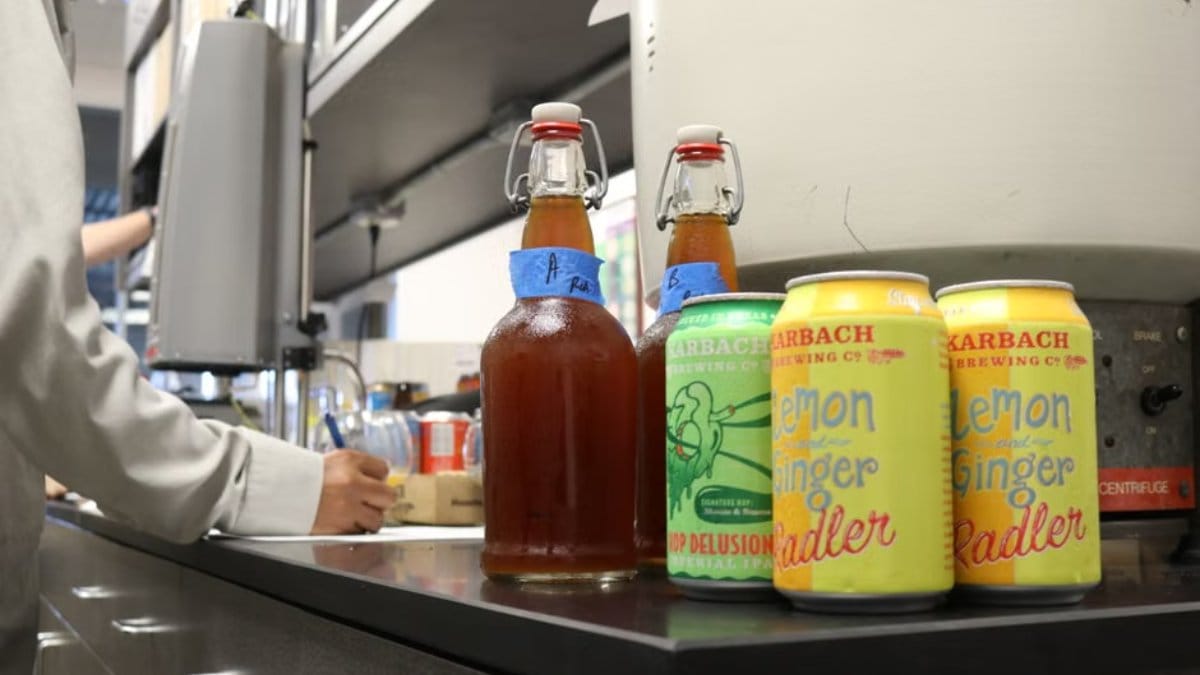
Absolutely, and I learned this the hard way. When I started drinking kombucha daily (usually two cups a day), I developed what I thought was a new food sensitivity. I had persistent headaches starting around 3 PM, my face would get flushed after meals, and I developed this weird itchy sensation on my scalp and behind my ears.
Here’s the honest part: I actually increased my DAO-inhibiting habits at the same time without realizing it. I was also drinking alcohol more frequently (alcohol inhibits DAO), eating higher quantities of aged cheeses, and drinking kombucha. The combination created a perfect storm. My DAO enzyme was completely overwhelmed.
If you have existing histamine intolerance, the fermented foods most likely to trigger symptoms are the long-fermented ones: aged cheeses, cured meats, sauerkraut that’s been fermenting for weeks, and kombucha. The ones less likely to cause problems are shorter-fermented options like fresh whey-based kefir (fermented 12-24 hours), young miso (less aged), and naturally fermented pickles that haven’t been sitting for months.
One critical caveat: if you have SIBO (small intestinal bacterial overgrowth), you need to be even more careful. Some fermented foods can actually feed existing bacterial overgrowth and make SIBO symptoms worse, completely separate from the histamine issue. Fermented foods containing specific bacterial strains might proliferate your existing problems rather than help them.
Histamine intolerance vs. probiotics: the actual tradeoff
This is where I had to get honest with myself. I wanted fermented foods to be my healing solution because I’d read countless articles about how probiotics repair leaky gut. And that research is real. But there’s a different problem when consuming those probiotics means triggering histamine reactions.
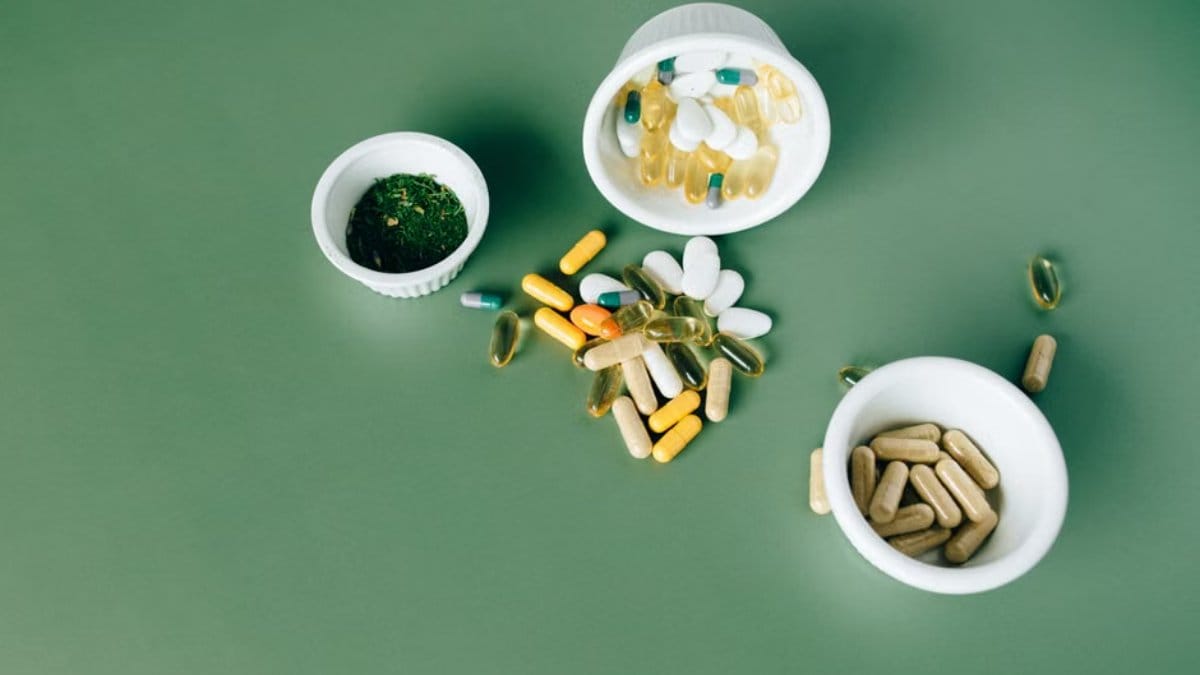
You can get probiotic benefits without the histamine load from other sources. Supplement-based probiotics (capsules or powders) contain no histamine because they’re not fermented in food. I switched to a shelf-stable probiotic supplement containing Lactobacillus plantarum and Bifidobacterium longum (strains that don’t produce high histamine) and noticed my symptoms resolved within two weeks.
This is what I mean by being honest about caveats: if fermented foods are triggering symptoms, you don’t have to choose between treating your gut and feeling good. The probiotics aren’t worth it if they’re making you sick. What Is Fermented Food? A Complete Beginner’s Guide covers the benefits of fermented foods extensively, but it’s important to know when they’re not the right tool for your particular situation.
Better approach: start with non-fermented sources of probiotics and gut-supportive foods (bone broth, resistant starch, soluble fiber like psyllium husk). Once your gut is stronger and your histamine baseline is lower, you might be able to introduce low-histamine fermented foods in small amounts.
How to know if fermented foods are the problem
The tricky part is that histamine intolerance symptoms overlap with so many other things: food allergies, regular IBS, stress responses, even caffeine sensitivity. Here’s how I figured it out: I did a strict low-histamine elimination diet for two weeks (basically removing all fermented foods, aged dairy, cured meats, and high-histamine vegetables like tomatoes and spinach). My symptoms completely disappeared.
Then I reintroduced one fermented food at a time. When I added back sauerkraut (half tablespoon daily for three days), I got a mild headache by day three. When I added back young kefir (fermented only 12 hours, purchased fresh), I had no reaction.
If you want to test this yourself, here’s a specific protocol: eliminate all high-histamine foods for 14 days. This includes aged cheeses, cured meats, fermented vegetables, kombucha, miso, and soy sauce. Keep a symptom log during this period. If your symptoms improve significantly, histamine sensitivity is likely involved. Then reintroduce foods one at a time, waiting 3 to 4 days between each new food. Note which foods trigger symptoms and which don’t.
Symptoms to watch for: headaches or migraines (especially afternoon onset), facial flushing or heat sensations, itching or hives, digestive cramping or loose stools, brain fog, anxiety, or heart palpitations. Not everyone experiences all of these, and the severity varies.
Which fermented foods are actually lower in histamine?
If you have mild histamine intolerance or you want to try reintroducing fermented foods strategically, here’s what actually works better versus worse:
Lower histamine fermented foods (proceed with caution):
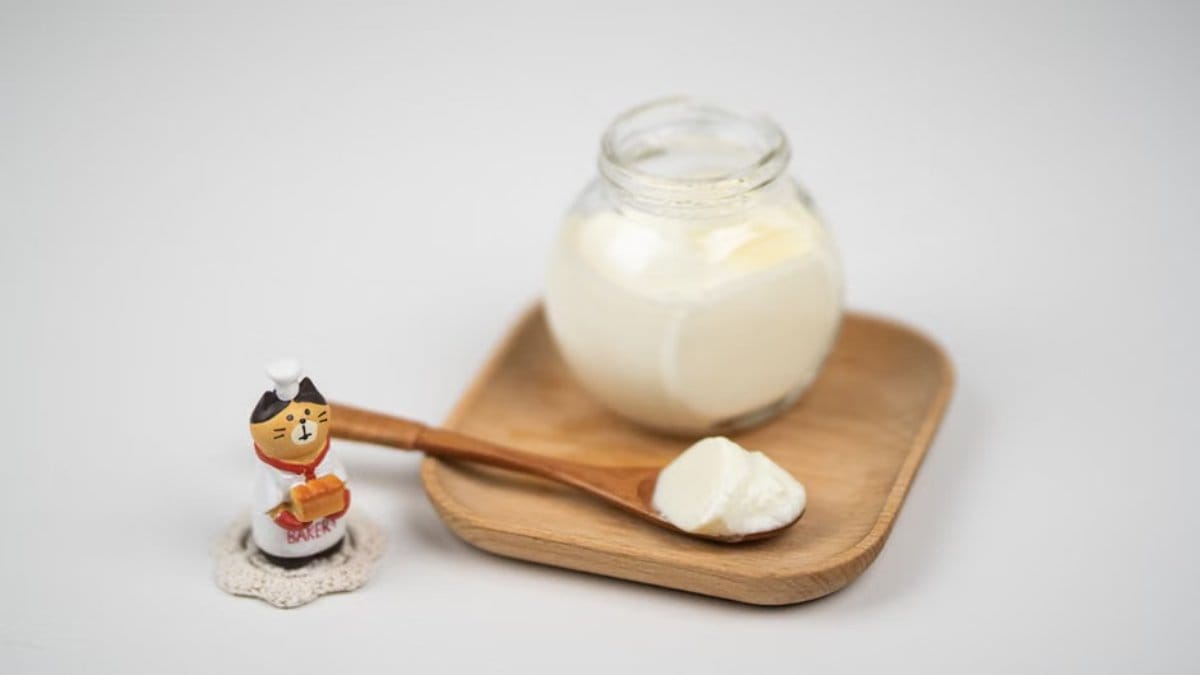
Fresh kefir: Look for kefir fermented for 12-24 hours only. Most commercial kefir fits this timeline. Fermented longer than that, histamine rises significantly. Goat or sheep milk kefir tends to be gentler on digestion than cow milk versions. Start with 1/4 cup daily, not full cups.
Young yogurt: Plain yogurt fermented for 6-8 hours (most commercial yogurts). Avoid aged or Greek yogurts which concentrate histamine. The heating process in yogurt production (pasteurization followed by fermentation) also reduces some histamine formation compared to raw fermentation.
Tempeh: Lower histamine than miso or soy sauce because it’s less aged. Use fresh tempeh (not packages sitting on shelves for months). Cook it the day you buy it.
Higher histamine fermented foods (avoid if you’re sensitive):
Aged cheeses: Parmesan, cheddar, blue cheese contain 2,500 mg/kg histamine or higher. These are some of the most histamine-dense foods on Earth. Hard aged cheeses are worse than soft fresh cheeses.
Cured and fermented meats: Salami, prosciutto, pepperoni, aged sausages. The fermentation time is specifically designed to develop flavor, which means developing histamine alongside it. A single slice of aged salami can contain 200+ mg histamine.
Long-fermented sauerkraut: Commercial sauerkraut fermented for weeks or months. Home-fermented versions vary wildly depending on temperature and time. Sauerkraut fermented for just 3-5 days at room temperature will have far less histamine than the stuff that’s been sitting in a jar for two months.
Miso, soy sauce, tempeh: Fermented for months or years. The fermentation time is the entire point of these foods, so histamine content is substantial.
Kombucha: Histamine levels vary by brand and fermentation length, but most commercial kombucha is fermented 7-30 days, which builds significant histamine. The alcohol content (even small amounts) also inhibits DAO, creating a double problem.
Practical steps if fermented foods keep making you sick
If you’ve eliminated fermented foods and your symptoms improved, here’s what actually worked for me and might work for you:
Use a probiotic supplement instead. Pick one with strains specifically labeled as low-histamine producers: Lactobacillus plantarum, Lactobacillus salivarius, Bifidobacterium longum, and Bifidobacterium breve are good options. Avoid Lactobacillus histidine, Lactobacillus buchneri (histamine-producing strains). Start with 1-2 billion CFUs daily with food.
Support your DAO enzyme naturally. DAO production depends on adequate copper, iron, vitamin B6, and vitamin C. A deficiency in any of these limits your ability to break down histamine. I started taking a B-complex vitamin (specifically one with B6) and noticed incremental improvement. Copper is found in shellfish, nuts, and seeds. Iron in red meat and legumes. Vitamin C in citrus and berries.
Avoid DAO inhibitors. Alcohol, certain medications (antihistamines paradoxically inhibit DAO), NSAIDs like ibuprofen, and excess caffeine all reduce your DAO enzyme activity. If you’re already struggling with histamine, these create additional load.
When you do eat fermented foods, eat them fresh. If you’re going to have kefir, buy it fresh that day and consume it within 24 hours. If making sauerkraut at home, ferment for 3-5 days maximum at cool room temperature (not warm). Consume within a few days of finishing fermentation. Older fermented foods = higher histamine.
Trial a low-histamine diet for 4-6 weeks before reintroducing anything. Give your baseline histamine level time to drop. Then introduce lower-histamine fermented foods (fresh kefir, young yogurt) one at a time in small amounts. You might find that once your overall histamine load is lower, you tolerate small amounts of these foods.
Medical disclaimer: This article is for informational purposes only and does not constitute medical advice. Always consult a qualified healthcare professional before making changes to your diet or health routine.
Can fermented foods cause histamine intolerance?
Fermented foods don’t cause histamine intolerance itself, but they can trigger severe symptoms if you already have histamine intolerance. Fermentation produces histamine as a byproduct of microbial metabolism. If your body can’t break down histamine efficiently (due to low DAO enzyme), consuming high-histamine fermented foods like aged cheese, sauerkraut, or kombucha can overwhelm your system and trigger headaches, flushing, itching, and digestive issues.
Which fermented foods have the least histamine?
Fresh kefir (fermented 12-24 hours), young plain yogurt (fermented 6-8 hours), and lightly fermented tempeh (fermented 1-2 days) tend to be lower in histamine than aged cheeses, cured meats, miso, soy sauce, and long-fermented sauerkraut. Fermentation time directly correlates with histamine content: the shorter the fermentation, the lower the histamine. Always check the date on commercial products and choose the freshest options available.
How do I know if fermented foods are triggering my histamine intolerance symptoms?
The best way to identify if fermented foods are the culprit is to do an elimination diet: remove all high-histamine foods (including fermented ones) for 2-4 weeks and keep a symptom log. If your symptoms improve, histamine sensitivity is likely involved. Then reintroduce fermented foods one at a time, waiting 3-4 days between each new food, and note which ones trigger symptoms. Common symptoms include afternoon headaches, facial flushing, itching, brain fog, and digestive cramping.
The biggest thing that helped me was giving myself permission to stop
I spent weeks feeling guilty that fermented foods weren’t working for me. Articles everywhere said they were healing, essential, transformative. When they made me feel worse, I assumed I was doing something wrong. I tried consuming them anyway, thinking my body would adapt. It didn’t.
What actually helped was accepting that fermented foods, despite their genuine probiotic benefits, weren’t the right tool for my body at that time. I switched to a non-fermented probiotic supplement, focused on repairing my gut with bone broth and soluble fiber, and stopped trying to force my way through histamine reactions.
Within six weeks, my baseline histamine tolerance improved enough that I could add back small amounts of fresh kefir without problems. But only after I’d stopped the chronic exposure that was keeping my system overwhelmed. The lesson wasn’t that fermented foods are bad. It was that individualized nutrition actually means something. What heals one person’s gut can damage another person’s if their histamine tolerance doesn’t match their fermentation diet.
If fermented foods have been making you sick, you don’t have to keep forcing them. There are other paths to gut health that won’t leave you with splitting headaches and flushed skin.
Featured photo by Roman Biernacki on Pexels