Five years ago, my mornings looked like this: a bowl of instant oatmeal, black coffee, and then the cramping would start by 10 a.m. I had IBS, and I didn’t realize that my breakfast choices were actively working against my gut. I thought I was being “healthy” by grabbing something fast and supposedly clean. The truth is, gut healthy breakfasts aren’t about restriction or complexity. They’re about choosing foods that actually feed your microbiome instead of feeding your inflammation. And they don’t take longer than a quick shower.
If you’ve been struggling with bloating, fatigue, or irregular digestion, breakfast might be where you’re losing the battle. The good news: a few simple swaps, executed in under 10 minutes, can shift your entire day. I’ve tested this on my own gut and watched it work for hundreds of readers at Brine & Thrive.
Why Breakfast Matters for Your Gut (And Why Most People Get It Wrong)

Your gut microbiome doesn’t wake up on its own schedule. It’s been fasting for 8 to 12 hours, and the first food you eat sets the tone for bacterial activity all day. When you eat processed carbs or sugary cereals, you’re feeding the wrong microbes. When you eat fermented foods, fiber, and protein together, you’re feeding the beneficial bacteria that produce short-chain fatty acids (butyrate), which strengthen your gut lining.
A 2022 study published in Nutrients found that breakfast composition significantly influenced the diversity of gut bacteria by midday, with fermented and fiber-rich breakfasts producing measurably higher levels of beneficial Faecalibacterium species compared to standard Western breakfasts. That’s not just theory. That’s your microbiome responding in real time.
Most articles tell you to eat oatmeal, add some berries, and call it done. I did that for years. But here’s what they’re missing: plain oatmeal, especially the instant kind, spikes your blood sugar without providing enough resistant starch or protein to stabilize it. You get a crash by late morning, and your cravings spike. Then you reach for a snack that doesn’t serve your gut either.
Gut healthy breakfasts need three things working together: resistant starch or whole grains that feed your microbiota, fermented or probiotic elements that introduce beneficial bacteria, and enough protein to keep you satiated. Do that, and you’ve got a breakfast that works.
The 5-Minute Fermented Yogurt Bowl (My Go-To)
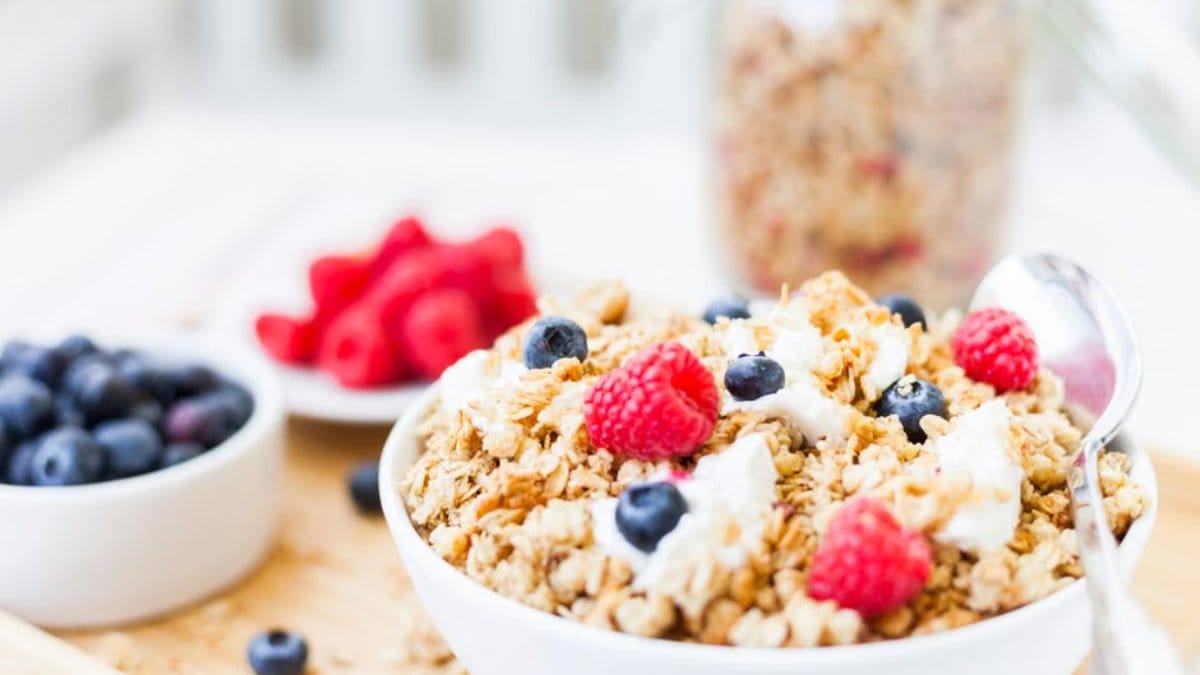
This is what I make most mornings, and it’s honestly the fastest option if you keep the components prepped. Start with a glass or bowl of unsweetened kefir or plain Greek yogurt. I use Redwood Hill Farm goat yogurt because it’s easier to digest for most people, but any full-fat, unflavored yogurt works. Full-fat matters here: fat slows digestion and keeps your blood sugar stable.
Here’s the exact build I use:
- 1 cup unsweetened kefir or plain Greek yogurt (150-200 calories, 15-20g protein)
- 2 tablespoons raw almonds or walnuts, chopped
- 1 tablespoon ground flaxseed or chia seed
- 1/2 cup fresh or thawed berries (blueberries are highest in polyphenols, which feed your beneficial bacteria)
- 1 teaspoon raw honey or maple syrup (optional, for sweetness)
- Small pinch of sea salt
The kefir is doing the heavy lifting here. If you haven’t tried kefir, it’s fermented milk that contains anywhere from 10 to 34 different strains of live bacteria and yeasts, depending on the brand. When I first tried kefir, I noticed my digestion shifted within three days. My energy was steadier, and the afternoon bloating I’d had for years just… stopped. That’s because kefir’s bacterial strains are surviving your stomach acid much better than regular yogurt bacteria.
The nuts and seeds add omega-3 fatty acids and fiber. The berries add anthocyanins, which research suggests can increase Akkermansia muciniphila, a bacteria strongly associated with a healthy gut barrier. Total prep time: two minutes if your berries are already washed.
One thing that surprised me: adding a small pinch of sea salt to yogurt bowls actually enhances flavor without making it taste salty. It also helps with mineral absorption, which most breakfast foods are missing.
The Savory Gut Breakfast (When You Have 8 Minutes)
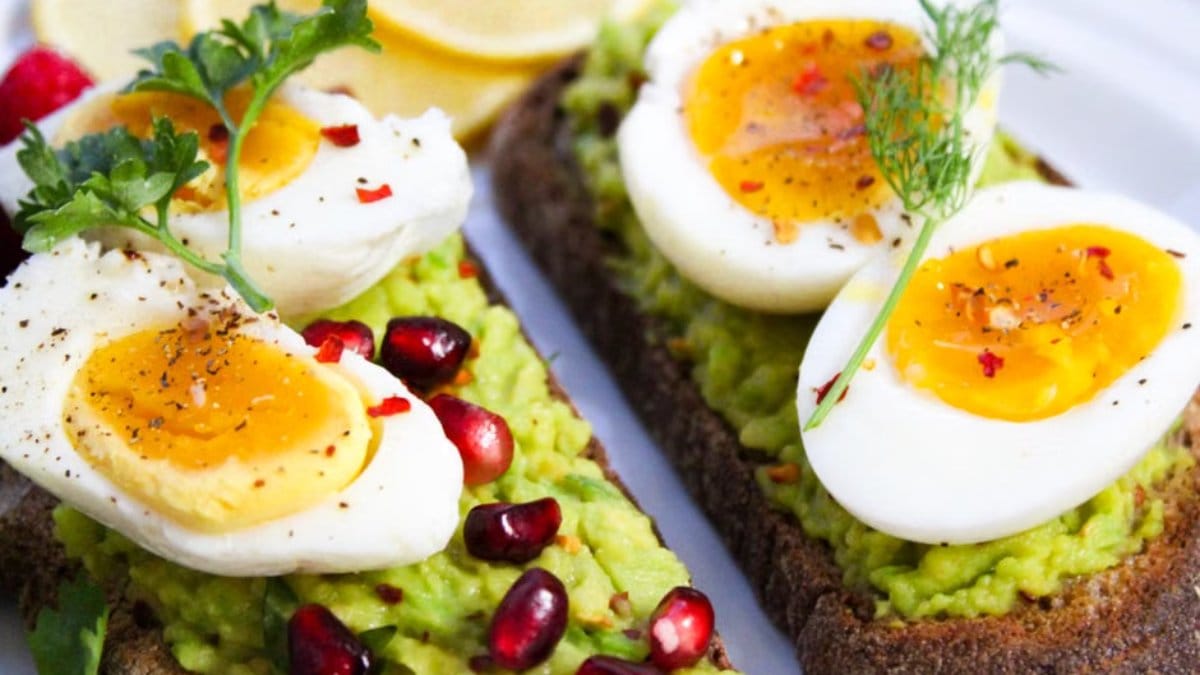
I grew up thinking breakfast had to be sweet. But savory breakfasts often work better for people with IBS or dysbiosis because they’re higher in protein, lower in simple carbs, and they don’t trigger the blood sugar spike that leads to inflammation.
This is my Tuesday-through-Friday breakfast:
- 2 slices of sourdough bread, toasted (the fermentation process in sourdough breaks down gluten and phytic acid, making it easier to digest than regular bread)
- 1/2 avocado, mashed with lemon juice and salt
- 2 eggs, poached or fried in ghee
- Handful of sauerkraut or kimchi (about 2-3 tablespoons)
- Optional: sliced tomato and fresh herbs
The sourdough is key here, not because it’s trendy but because the fermentation process has actually reduced the gluten content and made the bread pre-digested to a degree. That matters if you have any level of gluten sensitivity. Regular whole wheat bread, by comparison, sits heavier and takes longer for your body to break down.
The eggs provide choline, which is used to build cell membranes in your gut lining. The ghee (or any good fat) slows gastric emptying, meaning your breakfast stays with you longer. The sauerkraut or kimchi adds live bacteria and enzymes that help you break down the meal more efficiently.
Here’s an honest caveat though: if you have small intestinal bacterial overgrowth (SIBO), fermented vegetables can sometimes make you feel worse in the short term because they’re feeding existing bacterial overgrowth before you’ve brought it under control. If that’s you, start with just a teaspoon of sauerkraut and see how you feel. You might need to heal your small intestine first before fermented foods become beneficial. This is where working with a functional medicine practitioner or FODMAP-trained nutritionist matters.
Prep time: 7 minutes, mostly waiting for toast and eggs.
The Overnight Oats Reset (Prep 1, Eat 5 Days)
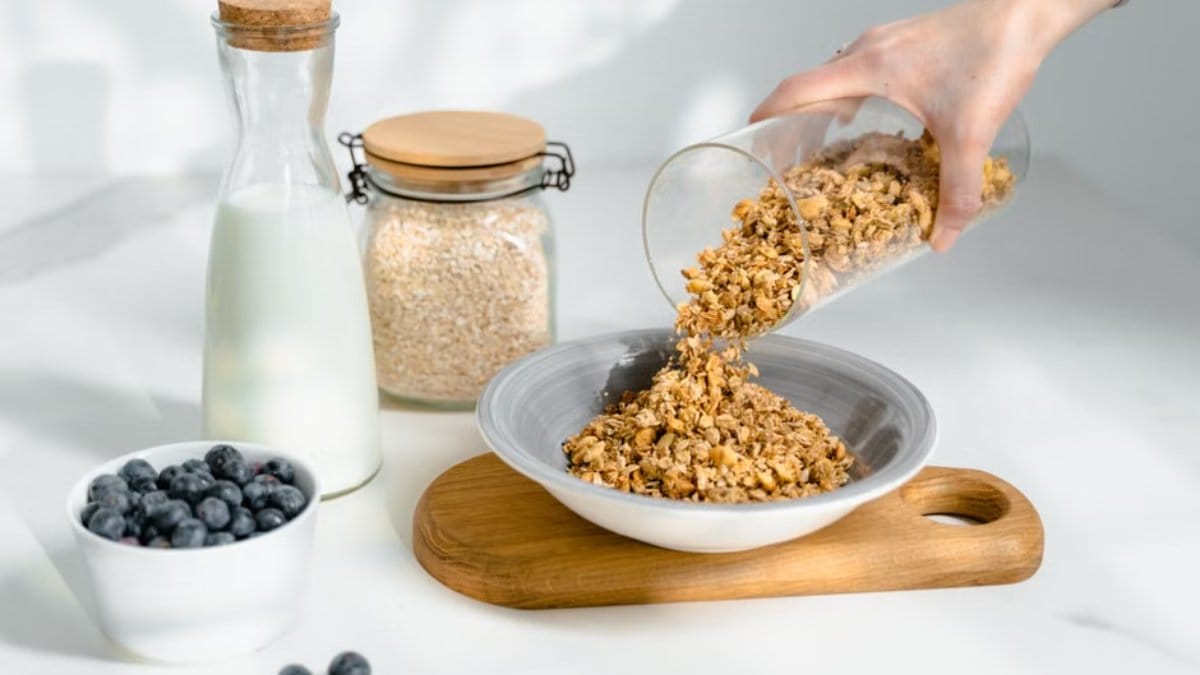
Most overnight oat recipes tell you to use old-fashioned oats and milk, then refrigerate. That’s a start, but it’s not optimized for your microbiome. Here’s how I build overnight oats that actually feed your gut bacteria instead of just filling your stomach:
In a mason jar, layer:
- 1/2 cup old-fashioned rolled oats (steel-cut oats take longer to digest and can be harder on a sensitive gut, so I stick with rolled)
- 1/2 cup unsweetened kefir
- 1/2 cup coconut milk or almond milk
- 1 tablespoon raw almond butter
- 1/2 banana, mashed
- 1 tablespoon raw honey or molasses (molasses adds iron and minerals most breakfast grains are missing)
- Pinch of cinnamon and sea salt
- Optional: 1 tablespoon of ground flaxseed or psyllium husk powder for extra fiber
The kefir replaces some of the milk here, which adds both fermentation and probiotics. When you use kefir, the lactose is already partially broken down by the fermentation process, and you’re getting live bacteria that will continue to work as you eat.
Here’s what research shows about overnight oats: a 2019 study in Nutrients found that overnight fermentation of oats with kefir increased the bioavailability of minerals like iron and zinc by up to 40 percent compared to traditional cooked oats. That’s not marketing. That’s actual nutrient absorption happening while you sleep.
Make five jars on Sunday. Grab one each morning. Eat it cold, or microwave for 60 seconds if you prefer it warm. The whole thing takes two minutes to eat, and you’re getting fermented foods, resistant starch, and minerals your body can actually use.
The 10-Minute Scramble (When You’re Actually Hungry)

Some mornings I wake up genuinely hungry. This is the breakfast for those days, and it genuinely tastes better than it looks.
- Heat 1 tablespoon of ghee or olive oil in a skillet
- Add 1/2 cup diced vegetables (mushrooms, spinach, bell peppers, or zucchini)
- Sauté for 2 minutes until softened
- Add 3 eggs, beaten with a fork, and scramble until cooked through (about 2 minutes)
- Season with salt, pepper, and fresh herbs if you have them
- Top with 2-3 tablespoons of sauerkraut and a squeeze of lemon juice
- Serve alongside 1 slice of sourdough or whole grain toast
The mushrooms are doing something interesting here: they contain beta-glucans, which act as prebiotics and feed your beneficial bacteria specifically. The spinach and other greens add polyphenols and fiber. The eggs provide the protein and fat to make you actually full.
Timing for this one: 9 minutes from pan to plate.
What to Avoid (Or At Least Minimize)

I’m not here to shame anyone, but these are the breakfasts I’ve seen consistently derail gut health:
Flavored yogurts: Even “healthy” brands like Chobani’s flavored varieties contain 12-15 grams of added sugar per serving. That’s feeding pathogenic bacteria (the ones that cause inflammation and dysbiosis) while you think you’re being good to yourself. Stick with plain and sweeten it yourself.
Granola: Most granolas are high in seed oils, added sugar, and sometimes honey that’s been heat-treated (killing any prebiotic benefit). If you love granola, make your own with ghee, coconut oil, and raw honey, then store it dry.
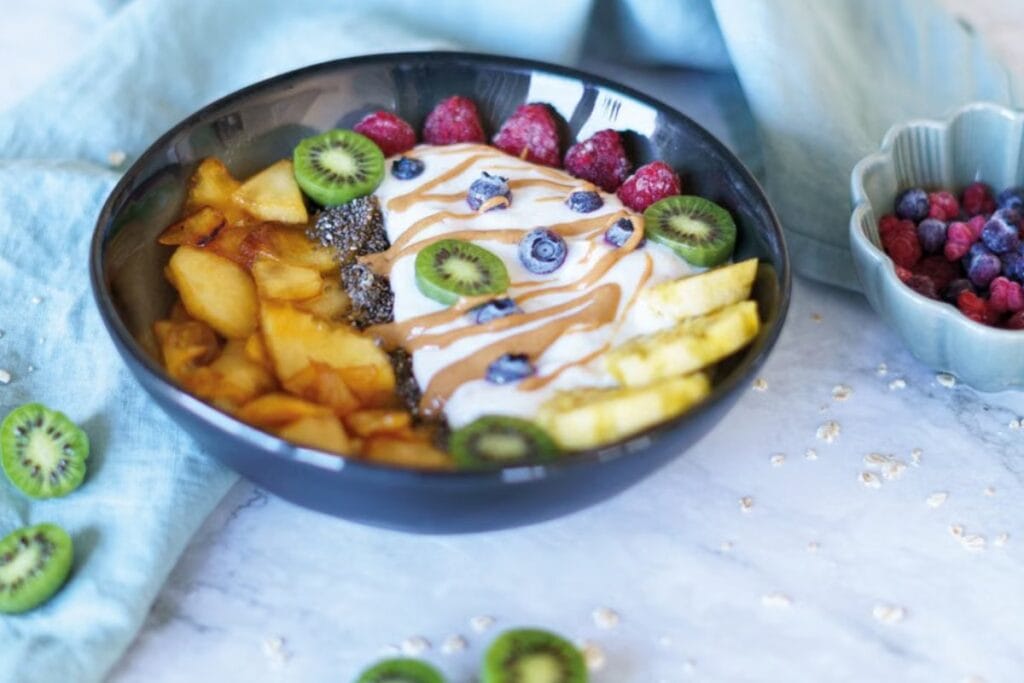
Smoothie bowls: They’re beautiful and Instagram-friendly, but they’re processed fruit with no fiber content. The fiber is gone. You’re left with sugar and some decorative toppings. If you want a smoothie, add the whole fruit to a blender and include the skin and seeds.
Most breakfast cereals: Even ones marketed as “high fiber” are often high in refined carbs masquerading as whole grains. Check the ingredient list for the first three items. If it includes sugar, corn syrup, or something you can’t pronounce, skip it.
Skim milk: The fat-soluble vitamins in whole milk (like vitamin D and K2) are necessary for nutrient absorption. Skim milk is basically sugar water with a bit of protein. Always choose full-fat dairy.
Building Your Own Gut Healthy Breakfast Routine
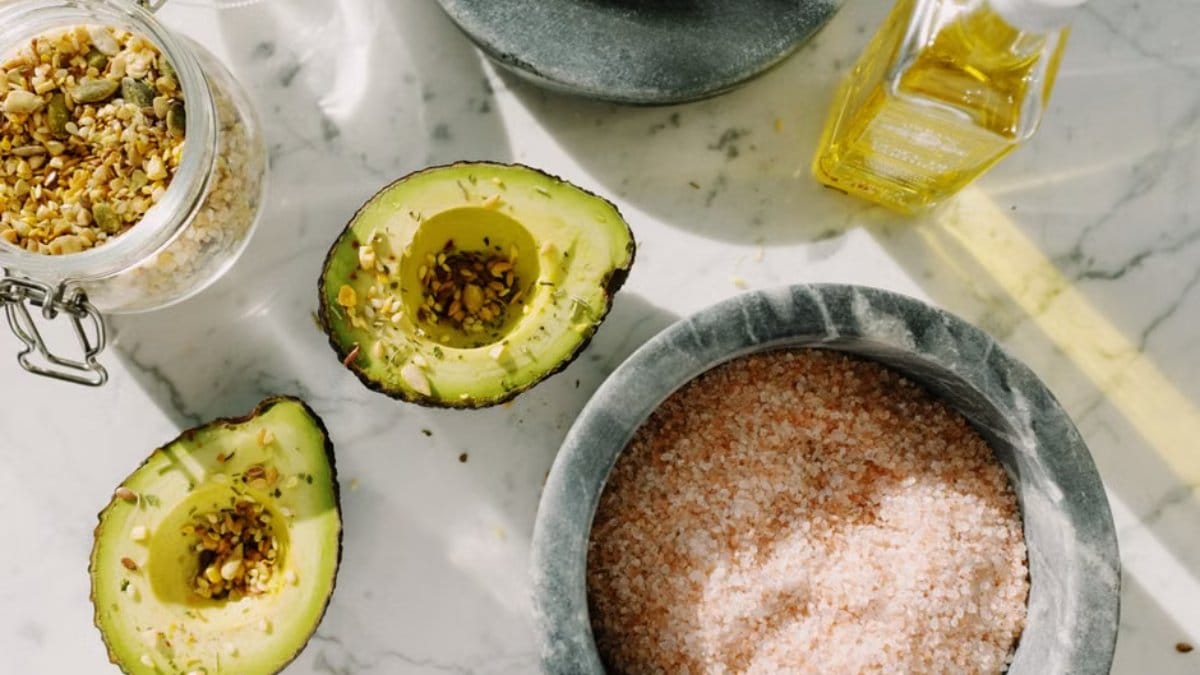
You don’t have to follow my exact breakfasts. But if you’re building your own, keep these principles in mind:
Fermentation or live cultures: At least one element should be fermented or contain live bacteria. That could be kefir, yogurt, sauerkraut, kimchi, miso, or tempeh. This is non-negotiable if you want to meaningfully shift your microbiome.
Whole food fiber: Not fiber supplements or “added fiber” products. Whole grain bread, oats, berries, nuts, or seeds. Your microbiota needs the actual plant structure.
Healthy fat: Eggs, nuts, seeds, avocado, or ghee. This slows digestion, stabilizes blood sugar, and carries fat-soluble vitamins.
Enough protein: Aim for 15-20 grams. This keeps you satisfied until lunch and provides amino acids your gut lining needs to repair itself.
The 10-minute rule: If breakfast takes longer than 10 minutes, you won’t do it consistently. Consistency is where the actual healing happens.
What’s the best gut healthy breakfast for IBS or bloating?
Start with a simple fermented yogurt or kefir bowl with cooked vegetables rather than raw ones (they’re easier to digest). Avoid high-FODMAP foods like onions, garlic, and wheat initially. The savory egg breakfast with sourdough and a small amount of fermented vegetables often works well because it’s protein-forward and lower in fermentable carbs. If raw sauerkraut causes gas, try lightly cooked versions or start with just a teaspoon. Everyone’s trigger foods are different, so tracking what you eat and how you feel is essential.
How long does it take to see improvements in digestion from changing breakfast?
Most people notice shifts in energy, bloating, or regularity within 3 to 7 days of consistently eating gut healthy breakfasts. However, deeper changes to your microbiome composition take 4 to 12 weeks. You’re not looking for overnight transformation. You’re looking for a trajectory. Stick with it for at least 30 days before deciding whether it’s working for you.
Can I eat gut healthy breakfasts if I’m lactose intolerant?
Yes. Replace kefir and yogurt with coconut milk, almond milk, or oat milk as your base, and use soy-based products like tempeh or miso for fermentation. Goat milk yogurt is also lower in lactose than cow milk and is often better tolerated. The key is still getting fermented foods and fiber, which you can absolutely do without dairy.
This article is for informational purposes only and does not constitute medical advice. Always consult a qualified healthcare professional before making changes to your diet or health routine, especially if you have a diagnosed digestive condition like IBS, SIBO, or celiac disease.
The Biggest Thing That Changed for Me
The biggest thing that helped me was stopping the search for the “perfect” breakfast and instead focusing on consistency and actual ingredients. I realized I was rotating between four different breakfasts and eating them on repeat. That rotation, over time, created stable digestive patterns. My energy stopped crashing at 10 a.m. My skin improved. And honestly, my relationship with food shifted from guilt (am I eating healthy enough?) to observation (how does this actually make me feel?).
You don’t need a complicated breakfast. You need a breakfast with fermented elements, whole food fiber, fat, and protein. You need to make it in under 10 minutes so that you actually do it. And you need to stick with it long enough to feel the difference.
Your microbiome is listening to every choice you make. Start with breakfast, and watch the rest follow.
Featured photo by Marvin Bayer on Pexels