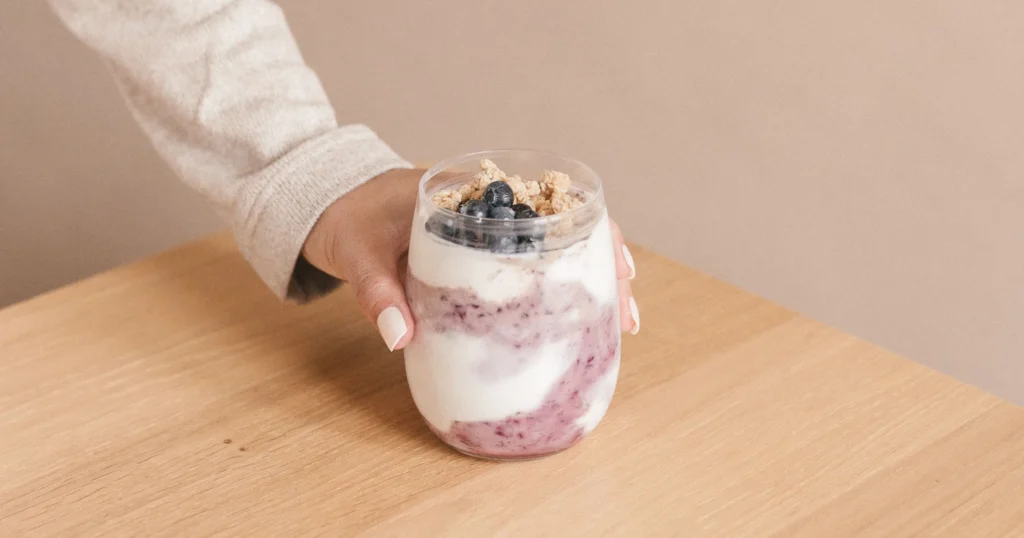
Maintaining a healthy gut has never been more important, and the easiest way to support your digestive system is with the best probiotic drinks available today. Whether you’re dealing with occasional digestive discomfort or simply want to optimize your gut health, probiotic beverages offer a convenient and delicious way to introduce beneficial bacteria into your system.
In this comprehensive guide, we’ll explore the top 10 probiotic drinks that can transform your digestive wellness and help you feel your best from the inside out.
What Makes a Great Probiotic Drink?

Not all probiotic drinks are created equal. When evaluating the best probiotic drinks, you should consider several key factors:
- CFU Count: Colony Forming Units measure the number of live bacteria. Look for drinks with at least 1-5 billion CFUs.
- Strain Diversity: Multiple bacterial strains offer broader health benefits than single-strain products.
- Live Cultures: Ensure the drink contains live, active cultures at the time of consumption, not just at production.
- Sugar Content: Choose options with minimal added sugars to avoid feeding harmful bacteria.
- Taste and Palatability: The best probiotic drink is one you’ll actually want to consume regularly.
Understanding these criteria will help you select beverages that truly support your gut health goals.
Top 10 Best Probiotic Drinks for 2026
1. Kombucha
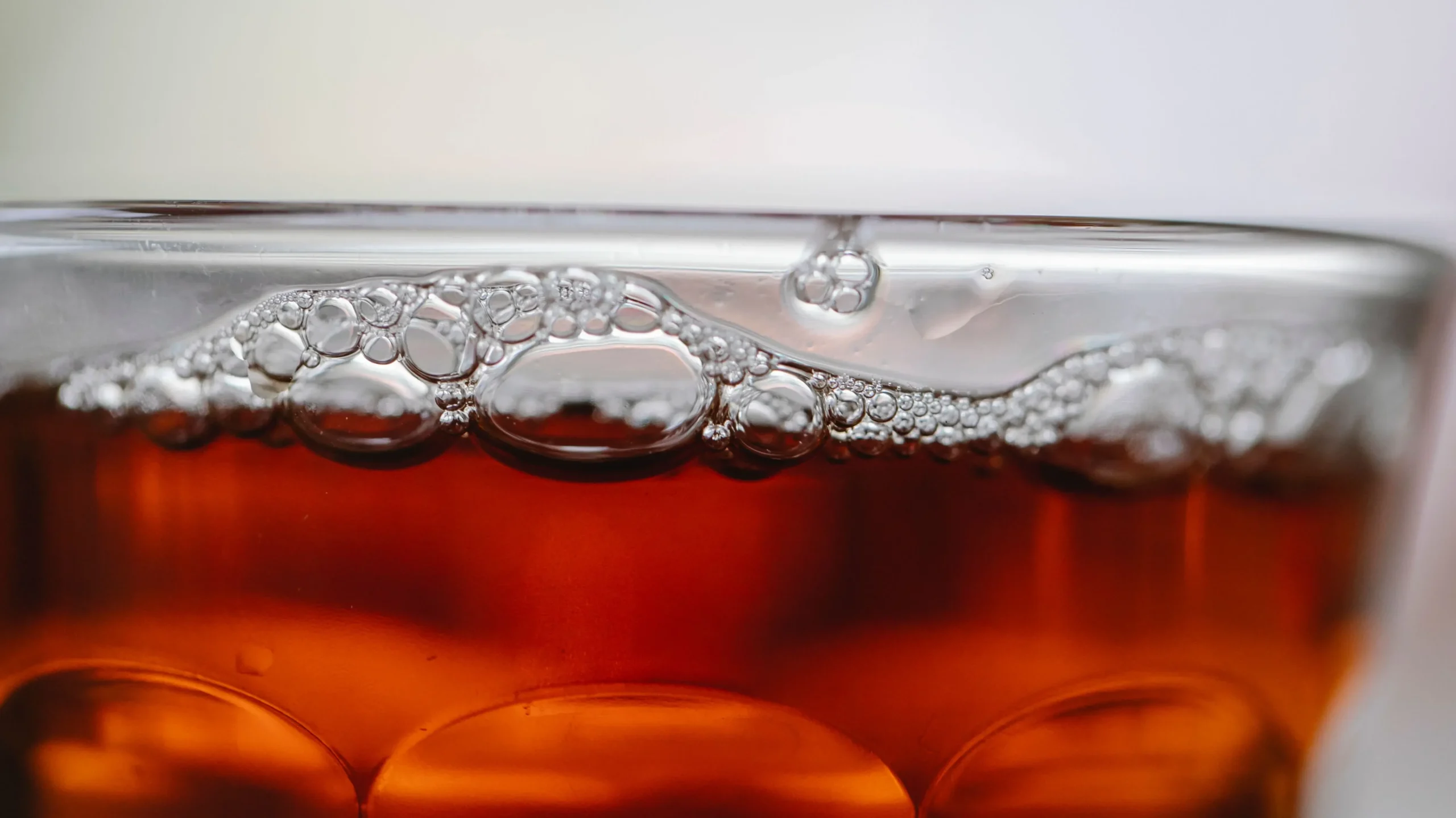
Kombucha remains one of the most popular best probiotic drinks on the market. This fermented tea beverage contains beneficial bacteria and yeast strains that support digestive health. Brands like GT’s Living Foods and Health-Ade offer excellent options with various flavor profiles. Kombucha typically contains 1-3 billion CFUs and provides organic acids that enhance nutrient absorption.
2. Kefir
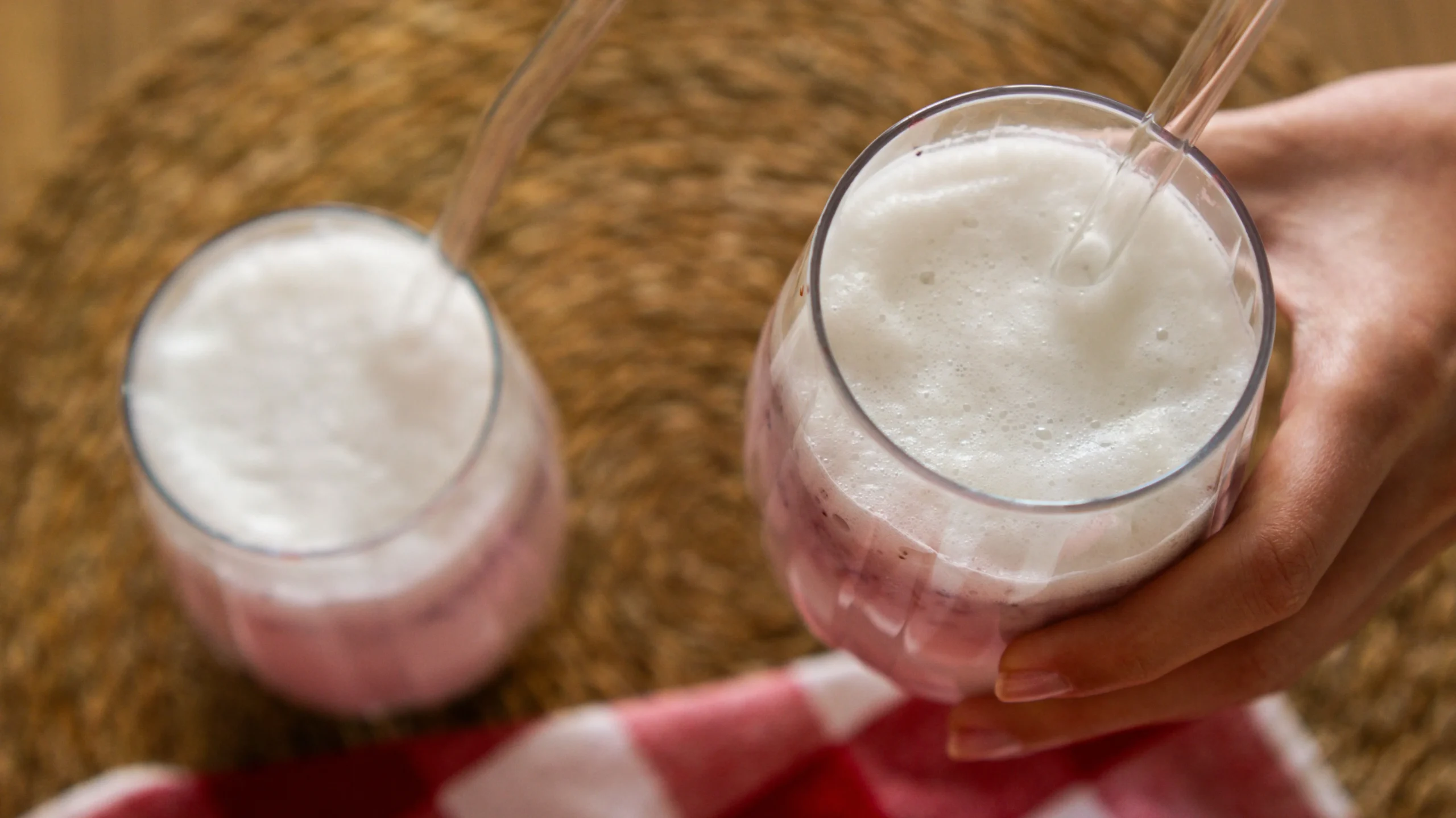
Kefir is a cultured milk drink that packs an impressive probiotic punch with over 30 different bacterial strains. This creamy, yogurt-like beverage is rich in calcium and protein, making it an excellent all-around health drink. Dairy and non-dairy versions are available, catering to various dietary preferences.
3. Water Kefir
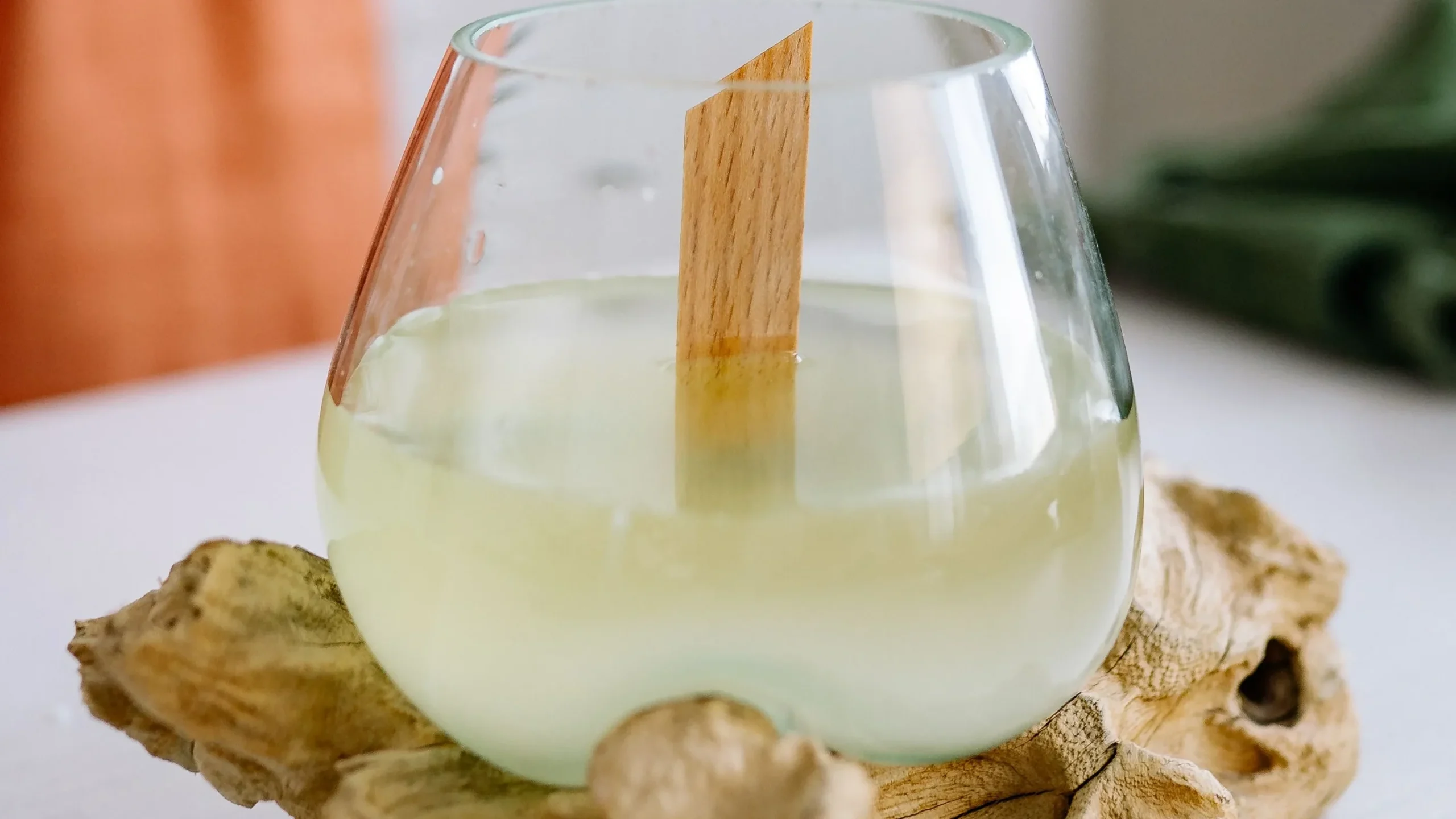
For those seeking a dairy-free alternative among the best probiotic drinks, water kefir offers probiotics without the lactose. Made by fermenting water kefir grains, this fizzy beverage contains beneficial bacteria while remaining refreshingly light. It’s an excellent choice for vegans and those with dairy sensitivities.
4. Tepache

This traditional Mexican fermented beverage combines grains, spices, and natural fermentation to create a probiotic-rich drink. Tepache offers unique flavors and moderate carbonation, making it an exciting addition to your probiotic drink rotation. It typically contains beneficial bacteria from the fermentation process.
5. Rejuvelac
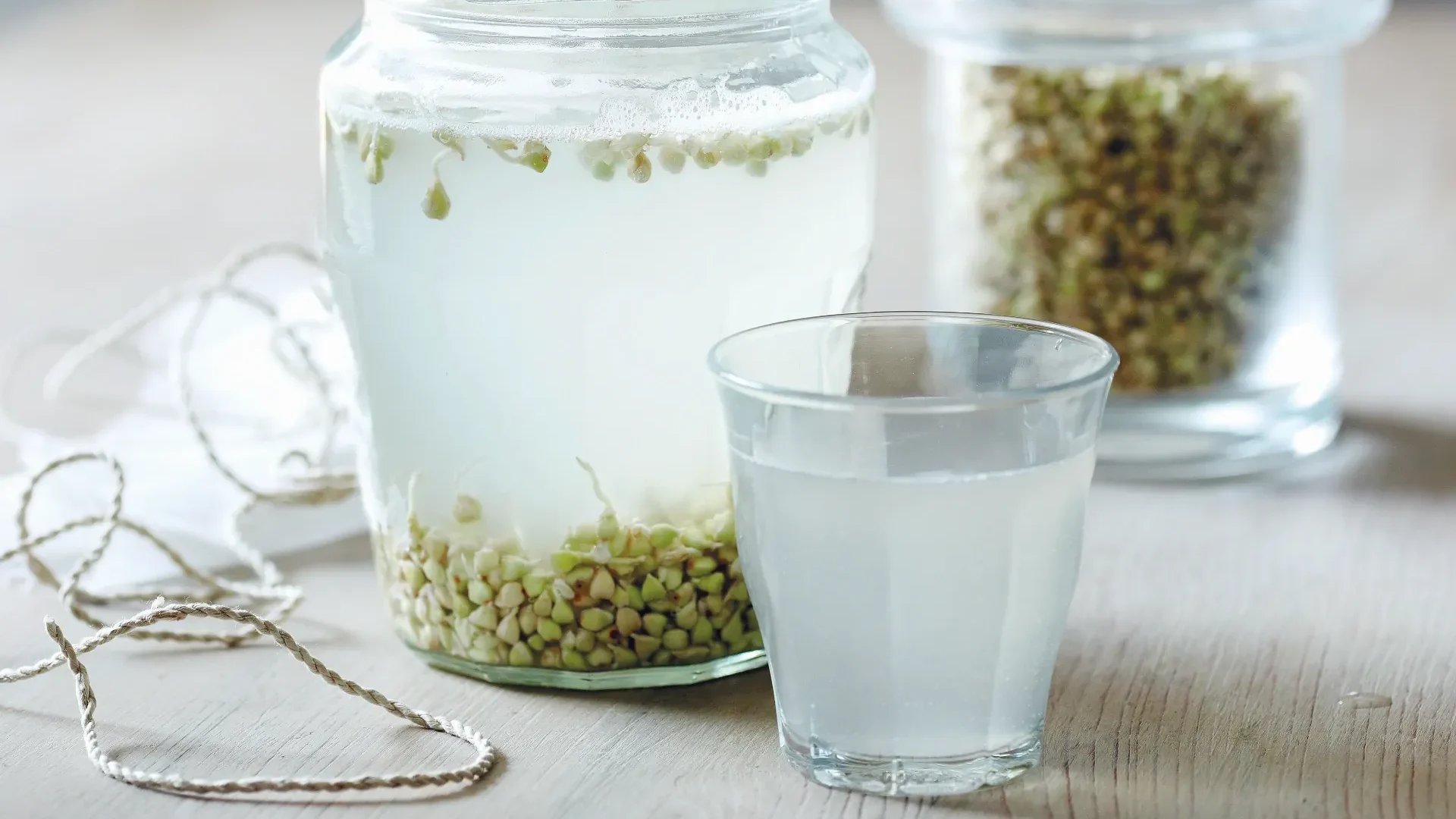
Made from sprouted grains like wheat grass, rejuvelac is a nutrient-dense probiotic drink that supports enzyme production and digestive health. While milder in probiotic content compared to some alternatives, it compensates with impressive micronutrient profiles including vitamins and minerals.
6. Jun Tea
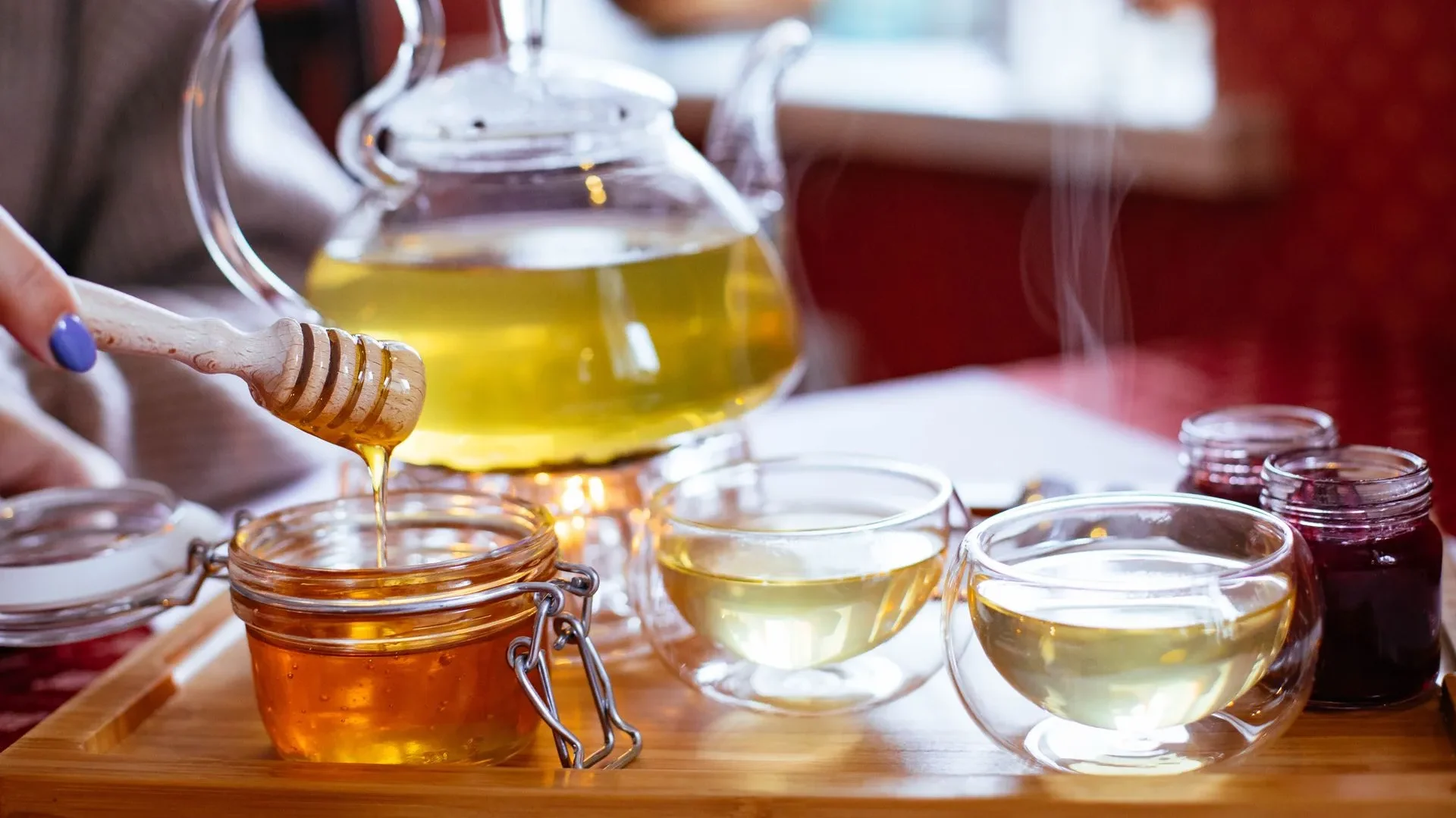
Jun is essentially kombucha’s lighter cousin, brewed with green tea instead of black tea. This delicate probiotic drink offers all the benefits of kombucha with a more refined flavor profile and typically contains slightly less caffeine. It’s perfect for those sensitive to caffeine but seeking the best probiotic drinks for gut health.
7. Probiotic Coconut Water
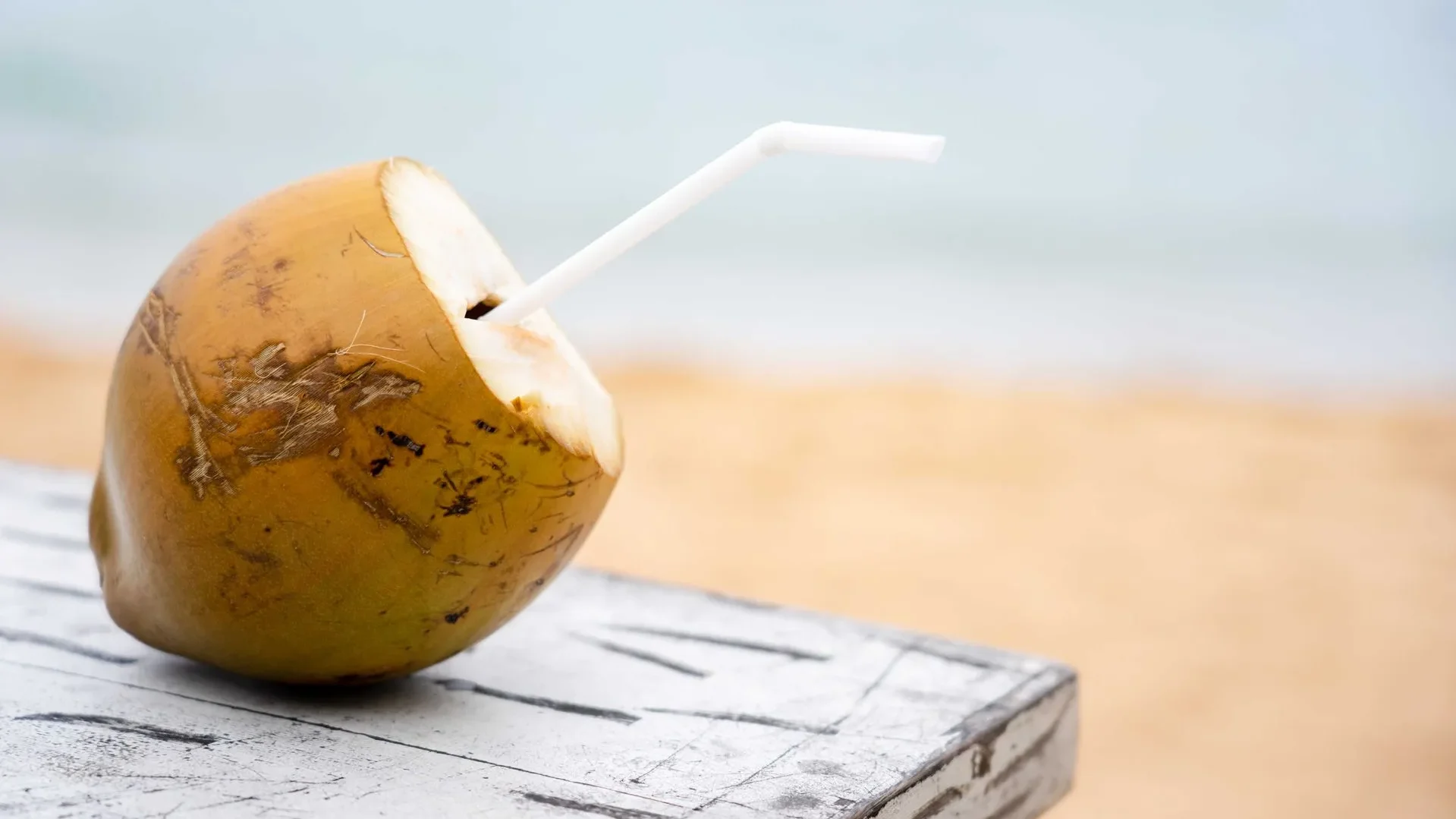
Combining the electrolyte-rich benefits of coconut water with live probiotics, this beverage offers dual hydration and digestive support. Brands like Remedy and Mojoco create innovative formulations that make convenient, refreshing options among the best probiotic drinks for active individuals.
8. Kvass
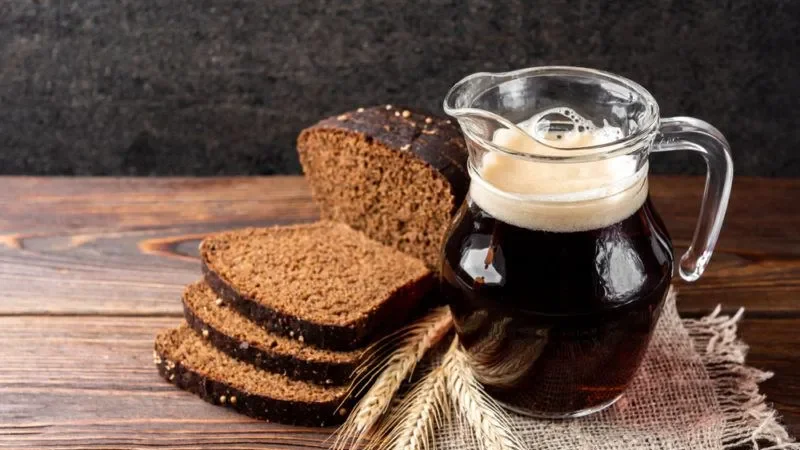
This Eastern European fermented rye bread drink has been consumed for centuries as a traditional probiotic beverage. Kvass offers a unique flavor and contains beneficial bacteria from fermentation. It’s lower in alcohol content compared to kombucha and provides B vitamins and amino acids.
9. Probiotic Smoothies
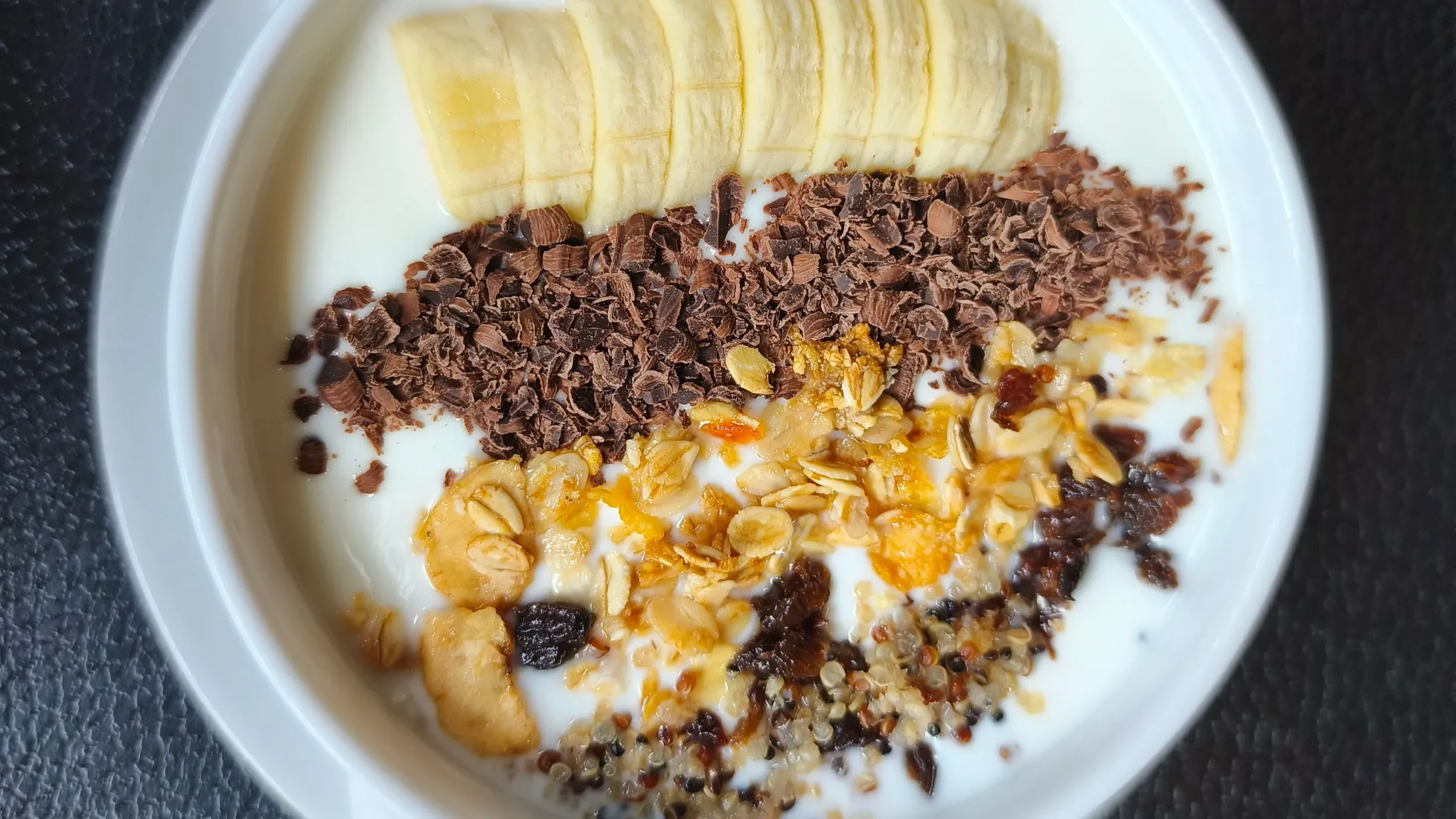
Blending yogurt or kefir with fruits, vegetables, and greens creates a customizable probiotic drink tailored to your preferences. Smoothies allow you to combine probiotics with prebiotics (foods that feed beneficial bacteria), maximizing digestive benefits. This remains one of the most versatile best probiotic drinks available.
10. Probiotic Plant-Based Beverages
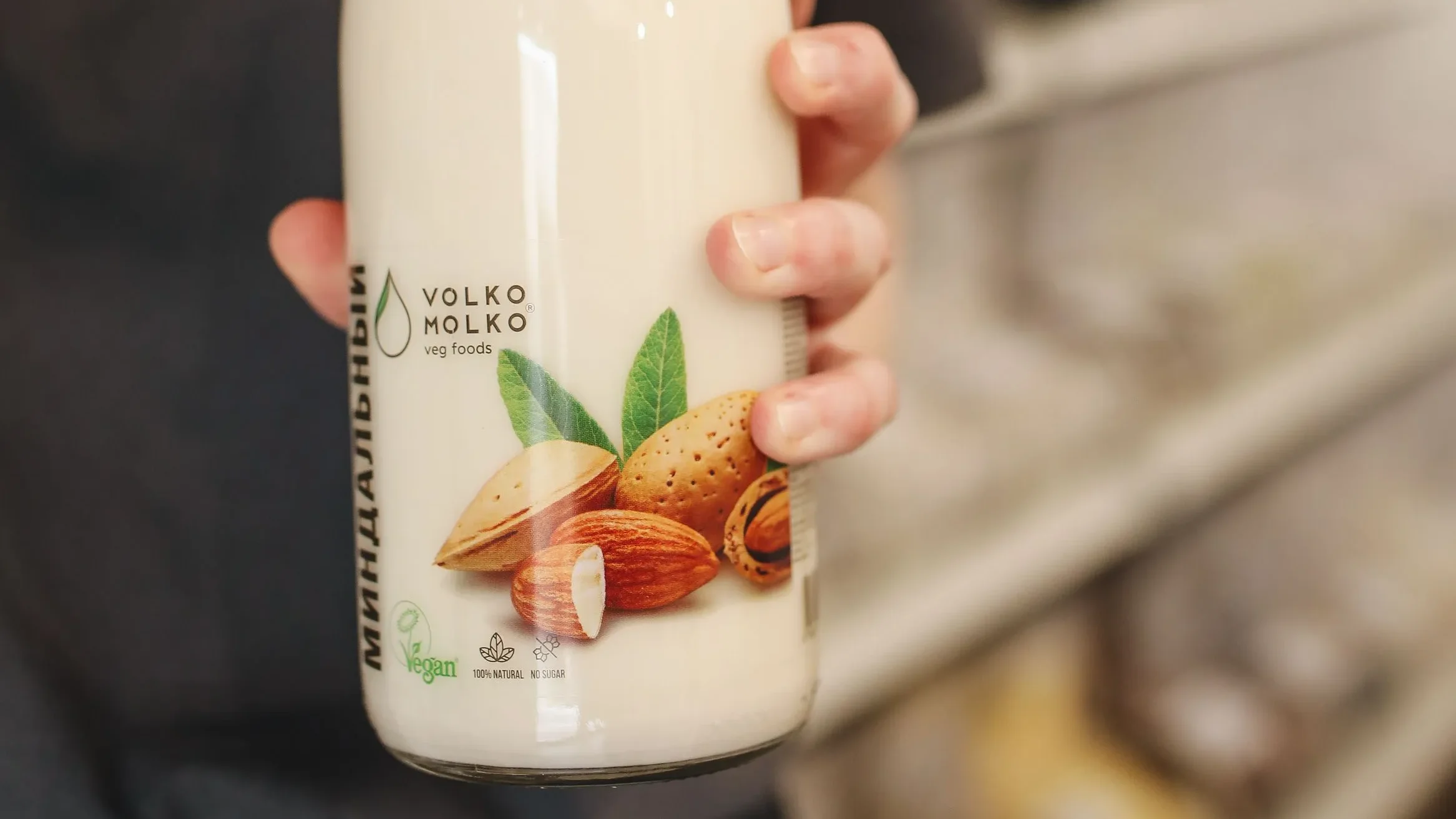
The market now offers innovative probiotic drinks made from plant-based sources like coconut, almond, and oat bases. These options cater to vegans and those with multiple dietary restrictions while still delivering the gut-health benefits you seek from the best probiotic drinks.
How to Choose the Best Probiotic Drink for Your Needs
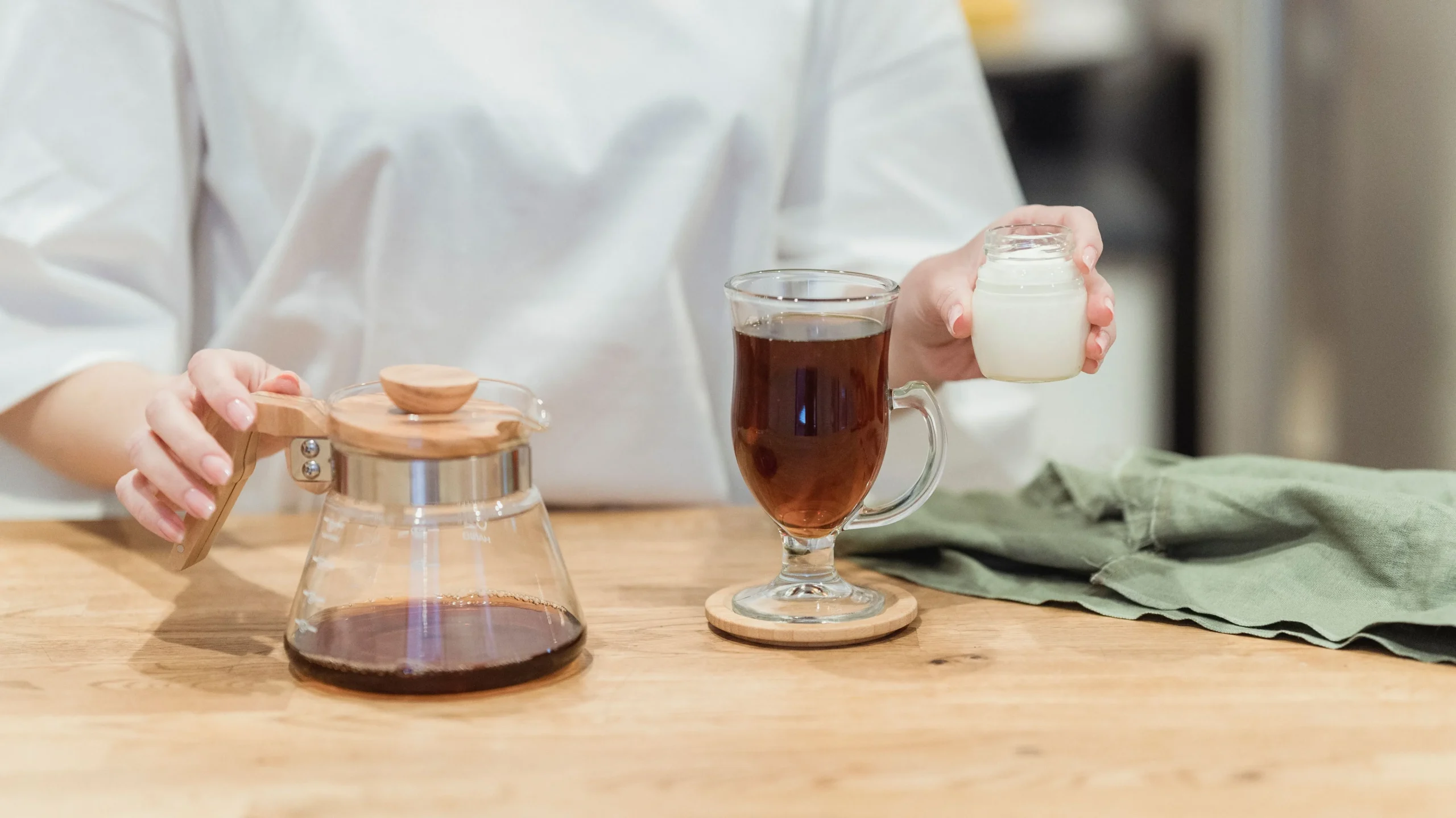
With numerous options available, selecting the best probiotic drink requires understanding your personal health goals and preferences. Consider whether you prefer carbonated or still beverages, your tolerance for sugar, and any dietary restrictions you maintain.
Start by experimenting with different types. Some people find kombucha energizing, while others prefer the creamy consistency of kefir. Keep track of how you feel after consuming various probiotic drinks—improved digestion, increased energy, and better mood are common benefits that indicate your gut microbiome is responding positively.
Remember that consistency matters more than perfection. Drinking a probiotic beverage you enjoy regularly beats forcing yourself to drink something you dislike. The best probiotic drink is ultimately the one that fits seamlessly into your daily routine and tastes great.
Storage and Freshness Tips for Maximum Benefits
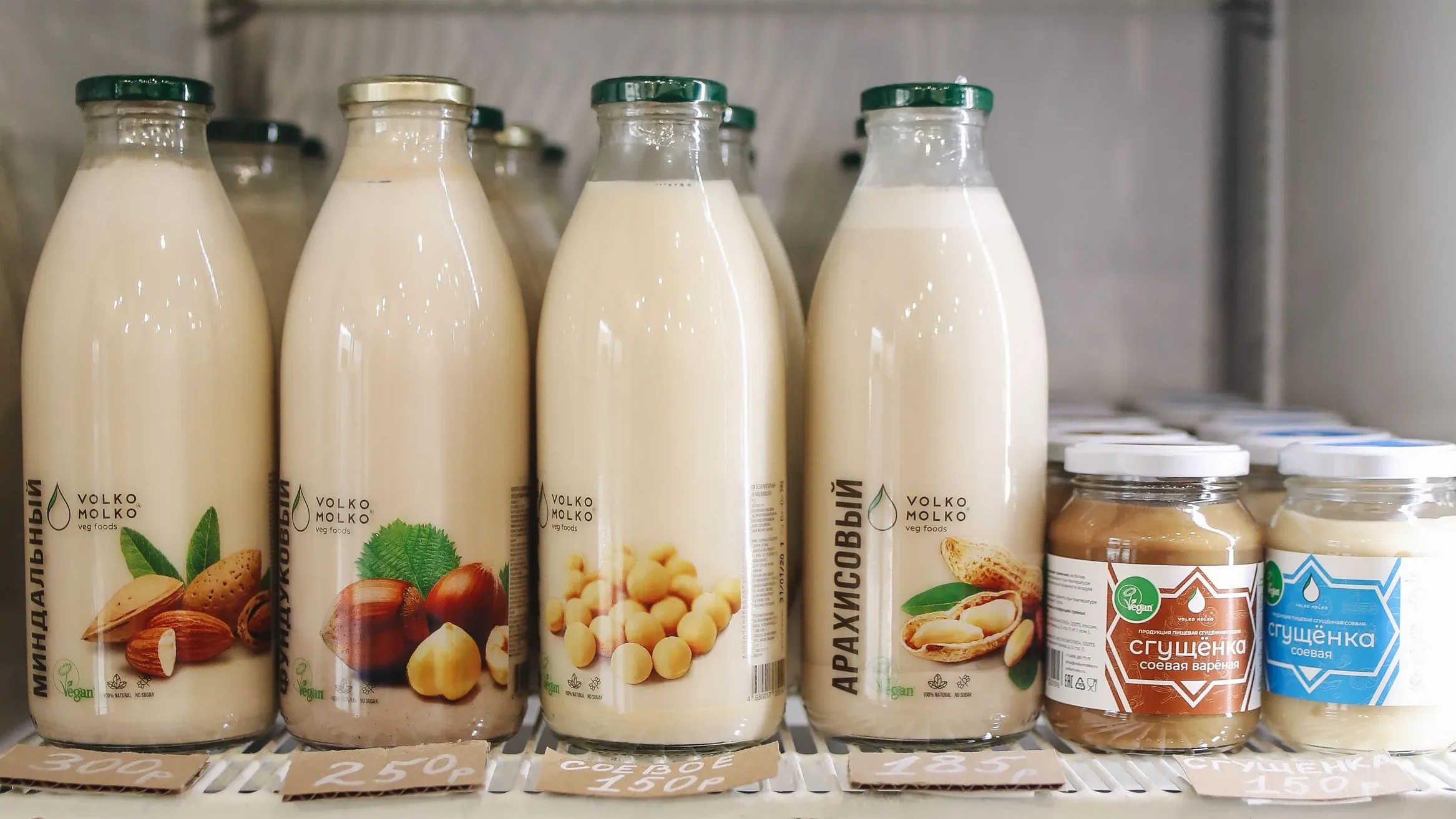
To ensure your best probiotic drinks deliver maximum health benefits, proper storage is essential. Most fermented beverages should be refrigerated to maintain live culture viability. Check expiration dates and look for signs of active fermentation, which typically includes slight fizzing or sediment.
Once opened, consume probiotic drinks within the recommended timeframe—usually within 3-7 days, depending on the product. Exposure to heat and light can reduce the efficacy of live cultures, so store your beverages in cool, dark conditions.
For homemade versions of the best probiotic drinks, maintain proper fermentation temperatures and follow safety guidelines carefully to ensure you’re cultivating beneficial bacteria rather than harmful pathogens.
Combining Probiotic Drinks with Prebiotics
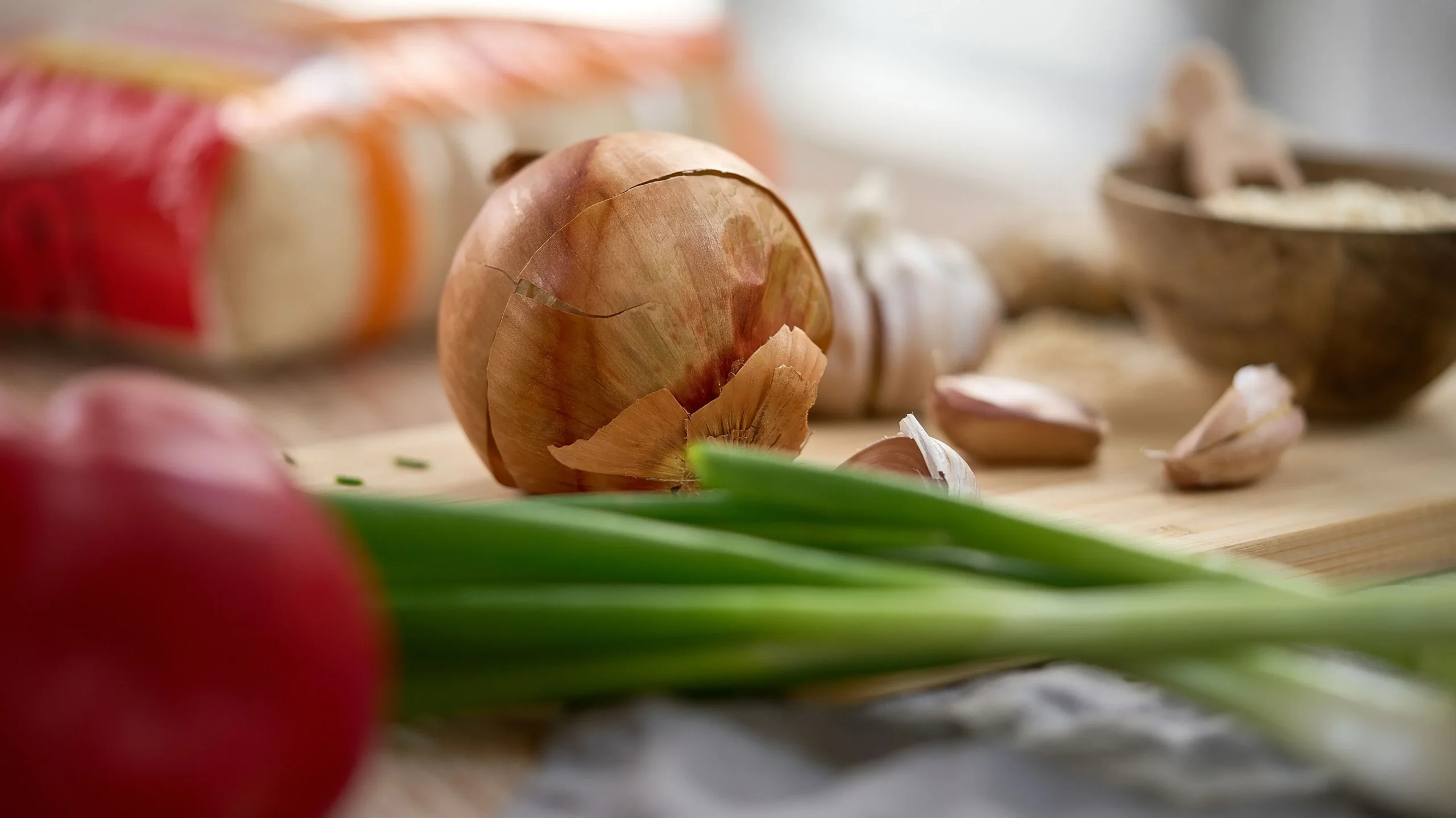
The most effective approach to gut health involves pairing the best probiotic drinks with prebiotic foods. Prebiotics are types of dietary fiber that feed beneficial bacteria, helping them thrive in your digestive system.
Excellent prebiotic foods to pair with your probiotic beverages include:
- Garlic and onions
- Bananas and other ripe fruits
- Asparagus and leeks
- Whole grains and legumes
- Jerusalem artichokes
By creating a synergistic environment with both probiotics and prebiotics, you’ll optimize your gut health far more effectively than with probiotics alone.
How often should I drink probiotic beverages?
Most health experts recommend consuming probiotic drinks daily for optimal gut health benefits. Start with 4-8 ounces per day and adjust based on how your digestive system responds. Some people benefit from consuming probiotic beverages with meals, while others prefer drinking them separately. Consistency is more important than quantity—a small amount consumed daily typically provides better results than sporadic larger servings.
Can probiotic drinks replace traditional probiotics or supplements?
While the best probiotic drinks offer significant benefits, they may not completely replace targeted probiotic supplements, especially for those with specific health conditions or severe digestive issues. Many health professionals recommend using both—drinking probiotic beverages for daily maintenance and potentially using supplements for targeted therapeutic benefits. Consult with your healthcare provider about what approach works best for your individual circumstances.
Are there any side effects from drinking probiotics?
When first introducing the best probiotic drinks into your diet, some people experience temporary digestive changes like mild bloating, gas, or changes in bowel movements. These symptoms typically subside within a few days as your gut microbiome adjusts. Starting with smaller portions and gradually increasing your intake can minimize these effects. If symptoms persist beyond a week or worsen, discontinue use and consult a healthcare provider.
Medical Disclaimer: The information provided in this article is for educational purposes only and should not replace professional medical advice. Probiotics may not be suitable for everyone, particularly individuals with compromised immune systems, certain medical conditions, or those taking specific medications. Always consult with your healthcare provider before significantly changing your diet or introducing new probiotic products, especially if you have existing health concerns. Individual results vary, and what works for one person may not work for another.
Conclusion: Start Your Probiotic Journey Today
Finding the best probiotic drinks for your unique health needs doesn’t have to be complicated. Whether you choose kombucha, kefir, water kefir, or any of the other excellent options we’ve discussed, you’re making a powerful investment in your digestive wellness and overall health.
The journey to better gut health begins with a single sip. Try different varieties, pay attention to how your body responds, and commit to consistency. Remember that your microbiome contains trillions of bacteria, and cultivating a thriving community of beneficial organisms takes time and dedication.
Ready to explore more about optimizing your gut health? Visit Brine & Thrive at zymgut.com to discover our comprehensive resources on fermentation, probiotic recipes, and expert guidance on selecting the best probiotic drinks for your lifestyle. Your gut—and your entire body—will thank you for prioritizing this essential aspect of your wellness.
Photo by Karolina Grabowska www.kaboompics.com on Pexels