
Your gut is home to trillions of microorganisms that play a crucial role in your overall health and wellbeing. From digestion to immunity to mental health, the state of your gut microbiome influences virtually every system in your body. If you’re looking to improve gut health, you’ve come to the right place. This complete beginner’s guide will walk you through practical, evidence-based strategies to transform your digestive health and feel your best.
Why Gut Health Matters More Than You Think
Before diving into how to improve gut health, it’s important to understand why it matters so much. Your gut microbiome consists of bacteria, fungi, and other microorganisms that work together to digest food, produce essential vitamins, support your immune system, and even influence your mood and mental clarity.
When your gut is out of balance, a condition called dysbiosis, you may experience bloating, irregular digestion, low energy, brain fog, and weakened immunity. Research has even linked poor gut health to anxiety, depression, and skin problems. By taking steps to improve gut health, you’re investing in your physical and mental wellbeing.
Eat More Fermented Foods to Improve Gut Health

One of the most effective ways to improve gut health is to consume fermented foods regularly. Fermented foods are naturally rich in beneficial probiotics, live microorganisms that support your digestive system and microbiome.
Some of the best fermented foods include:
- Sauerkraut: Fermented cabbage packed with probiotics and fiber
- Kimchi: A spicy fermented vegetable dish full of beneficial bacteria
- Kombucha: Fermented tea with probiotics and antioxidants
- Miso: A fermented soybean paste used in Japanese cuisine
- Tempeh: Fermented soy with better digestibility than tofu
- Yogurt: Dairy or plant-based options with live cultures
- Kefir: A fermented milk drink with multiple probiotic strains
Try incorporating at least one serving of fermented food into your daily diet. Start with small amounts to allow your digestive system to adjust, then gradually increase your intake as tolerated.
Increase Your Fiber Intake and Feed Your Gut Microbes
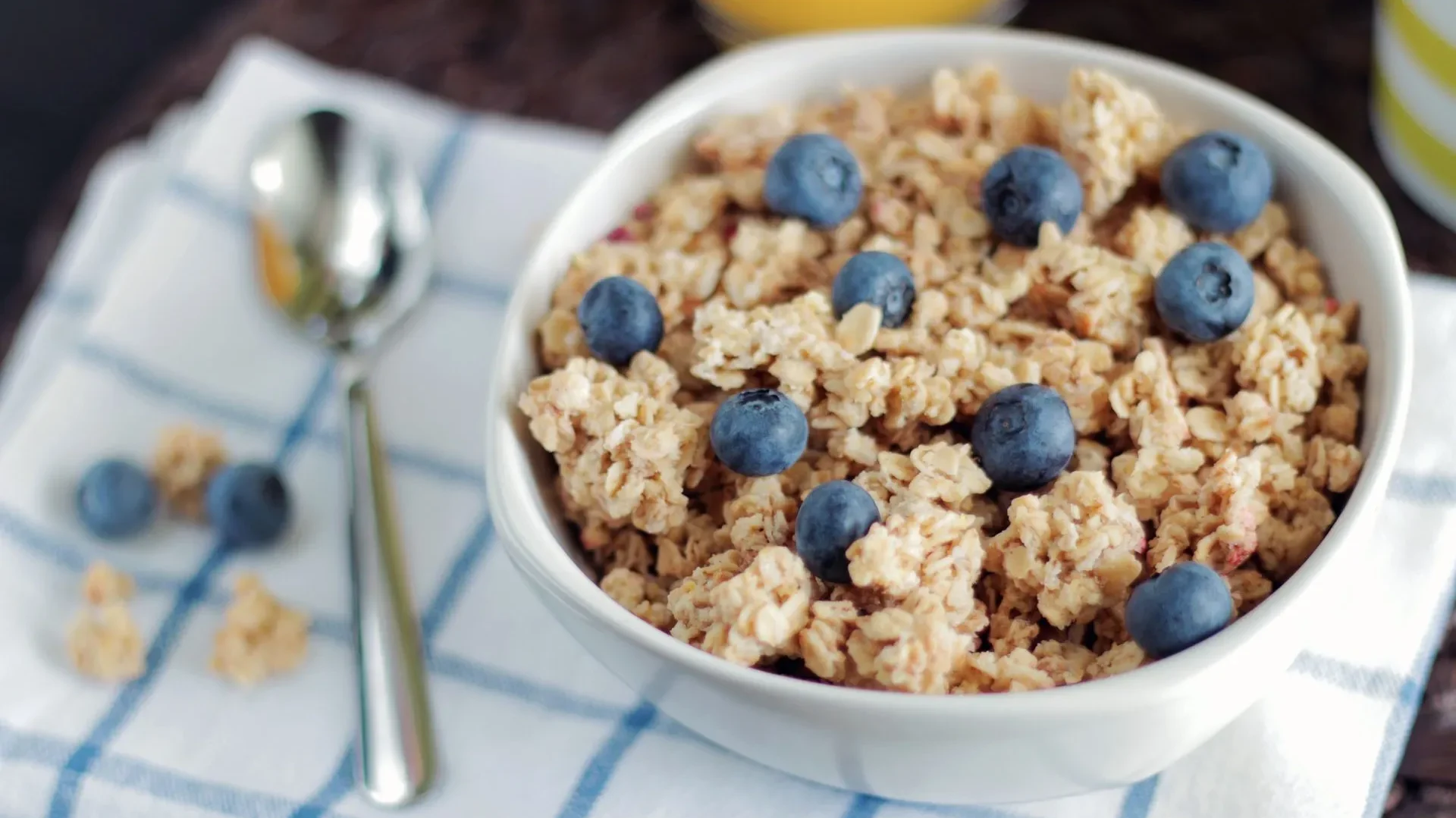
Fiber is the fuel that your beneficial gut bacteria need to thrive. When you improve gut health through increased fiber consumption, you’re essentially feeding the good bacteria and helping them multiply. This creates a healthier, more balanced microbiome.
There are two types of fiber to focus on:
Soluble Fiber: This dissolves in water and feeds your good bacteria. Sources include oats, beans, apples, and citrus fruits.
Insoluble Fiber: This doesn’t dissolve and helps move food through your digestive system. Sources include whole grains, vegetables, and nuts.
Aim to consume 25-35 grams of fiber daily, but increase gradually over several weeks to avoid digestive discomfort. Drink plenty of water when increasing fiber intake, as water helps fiber move through your digestive tract effectively. If you’re looking for additional support, prebiotic supplements can also help nourish your beneficial bacteria.
Stay Hydrated and Support Digestive Function

Water is essential for healthy digestion and overall gut function. When you’re dehydrated, your digestive system can’t work properly, which may lead to constipation and an unhealthy gut environment.
Aim to drink at least 8-10 glasses of water daily, adjusting for your activity level and climate. Herbal teas, coconut water, and other hydrating beverages count toward your daily intake, but plain water should be your primary choice.
Beyond plain water, certain beverages can specifically help improve gut health. Bone broth contains collagen and amino acids that support gut lining integrity. Green tea provides antioxidants that reduce inflammation. These additions to your hydration routine can provide extra benefits for digestive wellness.
Manage Stress and Support Your Gut-Brain Connection

Consider these stress-reduction practices:
- Meditation and mindfulness: Even 10 minutes daily can reduce cortisol levels
- Deep breathing exercises: Activates your parasympathetic nervous system for better digestion
- Regular exercise: Physical activity reduces stress and promotes healthy gut bacteria diversity
- Adequate sleep: Aim for 7-9 hours nightly to allow your gut to repair and reset
- Journaling: Processing emotions supports mental and digestive health
- Social connection: Spending time with friends and family reduces stress
When you’re relaxed and your nervous system is in “rest and digest” mode, your body produces more stomach acid and digestive enzymes, making it easier to break down food and absorb nutrients. This is why meal timing and eating environment are crucial factors in how to improve gut health.
Limit Foods That Damage Your Gut

While adding beneficial foods is important, removing or reducing foods that harm your gut is equally critical. Certain foods and additives can damage your gut lining, feed harmful bacteria, and trigger inflammation.
Foods to limit or avoid when working to improve gut health include:
- Processed foods: Often contain additives that irritate the gut
- Added sugars: Feed bad bacteria and promote dysbiosis
- Artificial sweeteners: May disrupt your microbiome balance
- Refined grains: Lack fiber and nutrients that support good bacteria
- Excessive alcohol: Damages the gut lining and kills beneficial bacteria
- High amounts of unhealthy fats: Can promote inflammation
You don’t need to achieve perfection, small, consistent improvements in your diet will yield significant results over time. Focus on adding more whole, unprocessed foods rather than strictly eliminating anything.
How long does it take to improve gut health?
Most people notice improvements in digestion, energy levels, and overall wellbeing within 2-4 weeks of implementing these changes. However, fully rebalancing your microbiome and healing your gut lining can take several months. Consistency is more important than perfection—stick with these habits for at least 30 days to see meaningful results.
Do I need to take probiotic supplements to improve gut health?
While fermented foods are an excellent natural source of probiotics, supplements can be beneficial—especially if you have severe dysbiosis or have recently taken antibiotics. Look for high-quality supplements with multiple bacterial strains and consider consulting a healthcare provider to determine if supplementation is right for you.
What are the first signs that your gut health is improving?
Early signs of improved gut health include more regular bowel movements, reduced bloating and gas, increased energy levels, clearer skin, better focus and mental clarity, and a stronger immune system with fewer colds or infections. Many people also report improved mood and reduced anxiety as their gut health improves.
Medical Disclaimer
This article is for informational purposes only and should not be considered medical advice. The information provided is based on general knowledge about gut health and nutrition. Individual health situations vary, and what works for one person may not work for another. If you have specific health concerns, digestive issues, food sensitivities, or are taking medications, please consult with a qualified healthcare professional, registered dietitian, or gastroenterologist before making significant changes to your diet or supplement routine. This is especially important if you have conditions like irritable bowel syndrome (IBS), inflammatory bowel disease (IBD), or other digestive disorders.
Conclusion: Start Your Gut Health Journey Today

Learning how to improve gut health doesn’t require dramatic overhauls or expensive supplements. By incorporating fermented foods, increasing your fiber intake, staying hydrated, managing stress, and eliminating gut-damaging foods, you can create a thriving internal ecosystem that supports your physical and mental health.
Remember that improving gut health is a journey, not a destination. Start with one or two changes, allow them to become habits, then add more strategies over time. Your gut will thank you with better digestion, more energy, improved immunity, and enhanced overall wellbeing.
Ready to take your gut health to the next level? Explore Brine & Thrive at zymgut.com for premium fermented foods, prebiotic supplements, and expert resources designed to help you improve gut health naturally. Our carefully crafted products are made to support your microbiome and help you feel your absolute best.
Photo by www.kaboompics.com on Pexels