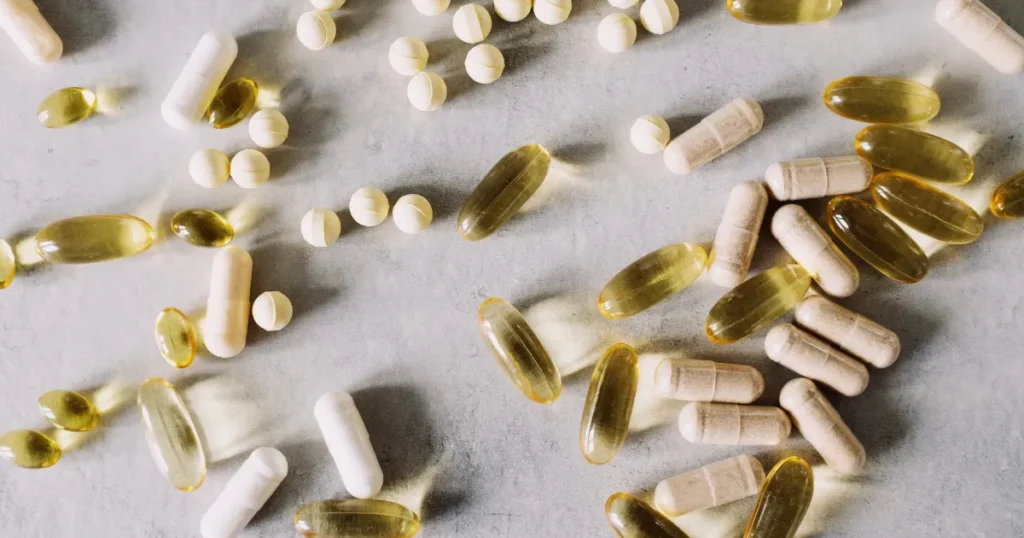
Your gut health is the foundation of your overall wellness. From digestion to immune function to mental clarity, everything starts in your microbiome. But with countless supplements flooding the market, how do you know which best gut health supplements actually deliver results?
In this comprehensive guide, we’ll break down the science behind the most effective gut health supplements, help you understand what your microbiome actually needs, and show you how to choose products that work—not just expensive placebos.
Why Gut Health Supplements Matter in 2026
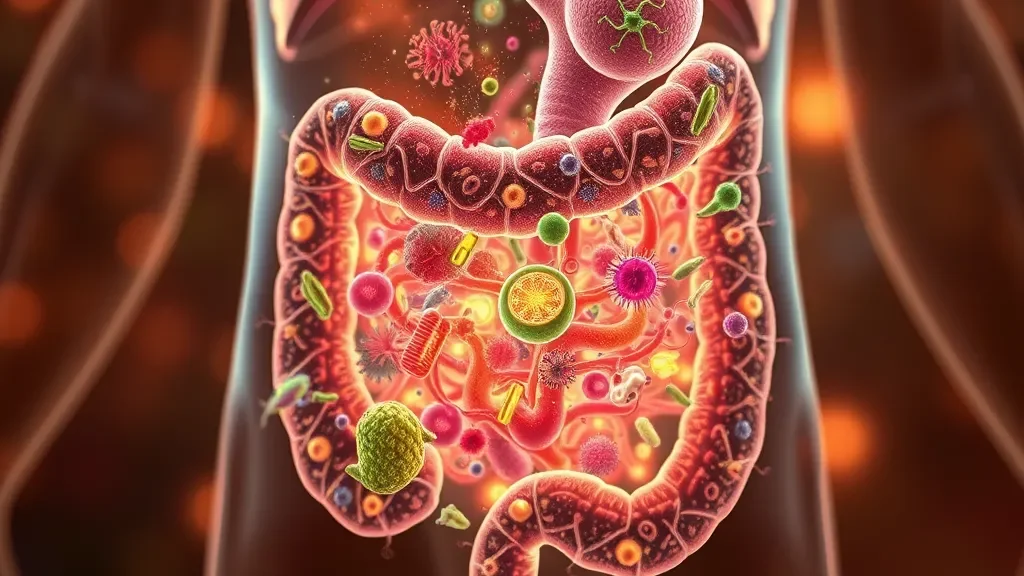
The gut microbiome has become one of the most studied areas of modern health research. Scientists have discovered that the trillions of bacteria living in your digestive system influence everything from your mood and energy levels to your immune response and metabolism.
Most people’s gut bacteria are out of balance due to:
- Processed food diets low in fiber
- Frequent antibiotic use
- High stress and poor sleep
- Environmental toxins
- Lack of fermented foods
The best gut health supplements work to restore this balance, but they’re not a replacement for healthy habits. They’re a strategic addition to a gut-friendly lifestyle that includes whole foods, regular movement, and stress management.
Top Probiotics: The Foundation of Microbiome Support
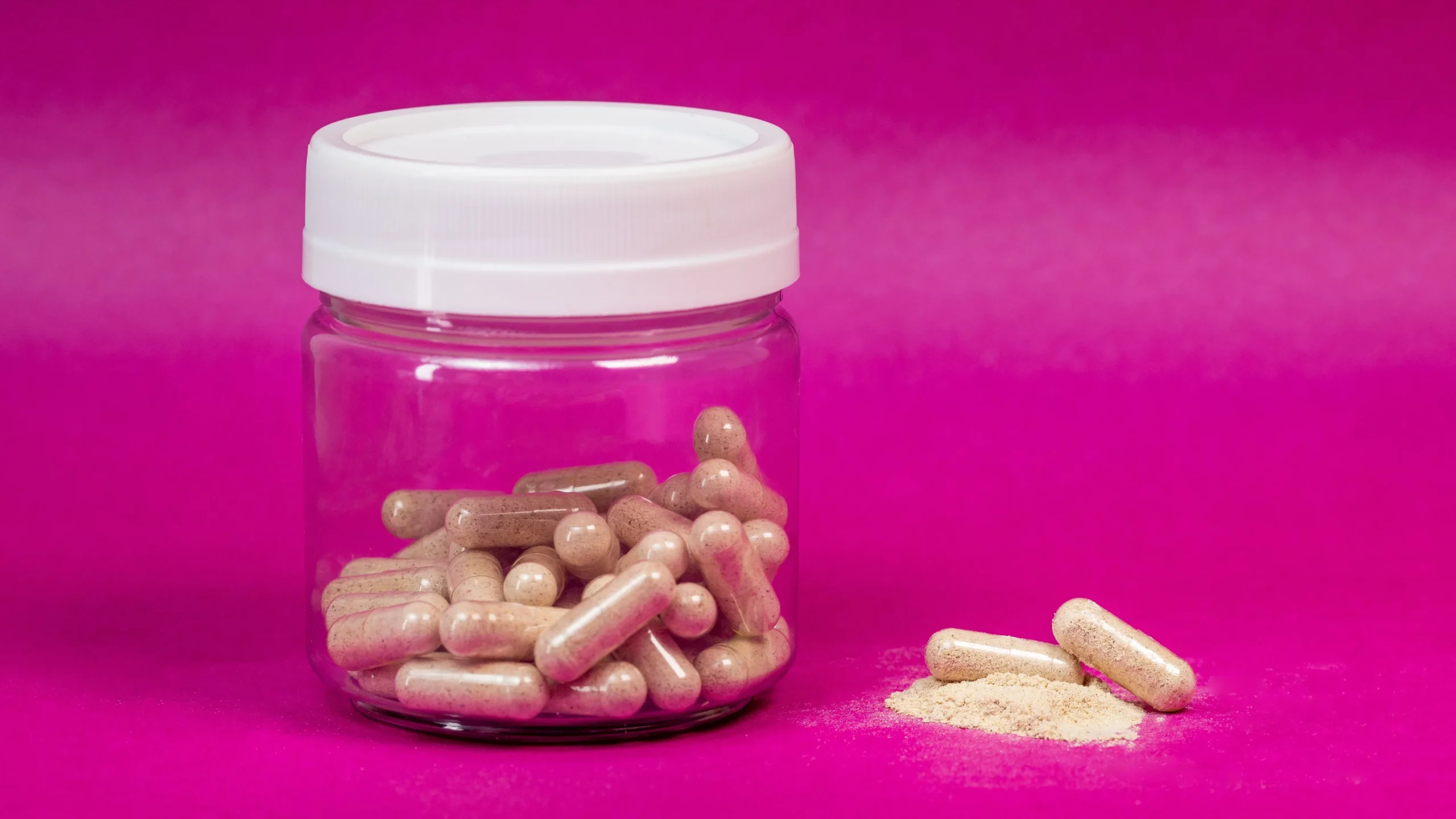
Probiotics are live beneficial bacteria that colonize your gut and support digestive health. However, not all probiotics are created equal.
What to Look For in a Probiotic:
- CFU Count: Look for 10-100 billion CFUs (Colony Forming Units). More isn’t always better—quality matters more than quantity.
- Multiple Strains: The best gut health supplements contain diverse strains like Lactobacillus and Bifidobacterium species.
- Shelf Stability: Choose refrigerated or specially formulated probiotics that survive stomach acid.
- Third-Party Testing: Verify that what’s on the label is actually in the bottle.
Research shows that clinically-studied strains like Lactobacillus plantarum, Lactobacillus rhamnosus, and Bifidobacterium longum demonstrate real benefits for digestion, immune function, and even mental health.
Pro tip: Rotate your probiotic strains every few months to prevent your microbiome from adapting to one particular strain. This keeps your beneficial bacteria working harder and more effectively.
Prebiotic Fiber: Food for Your Good Bacteria
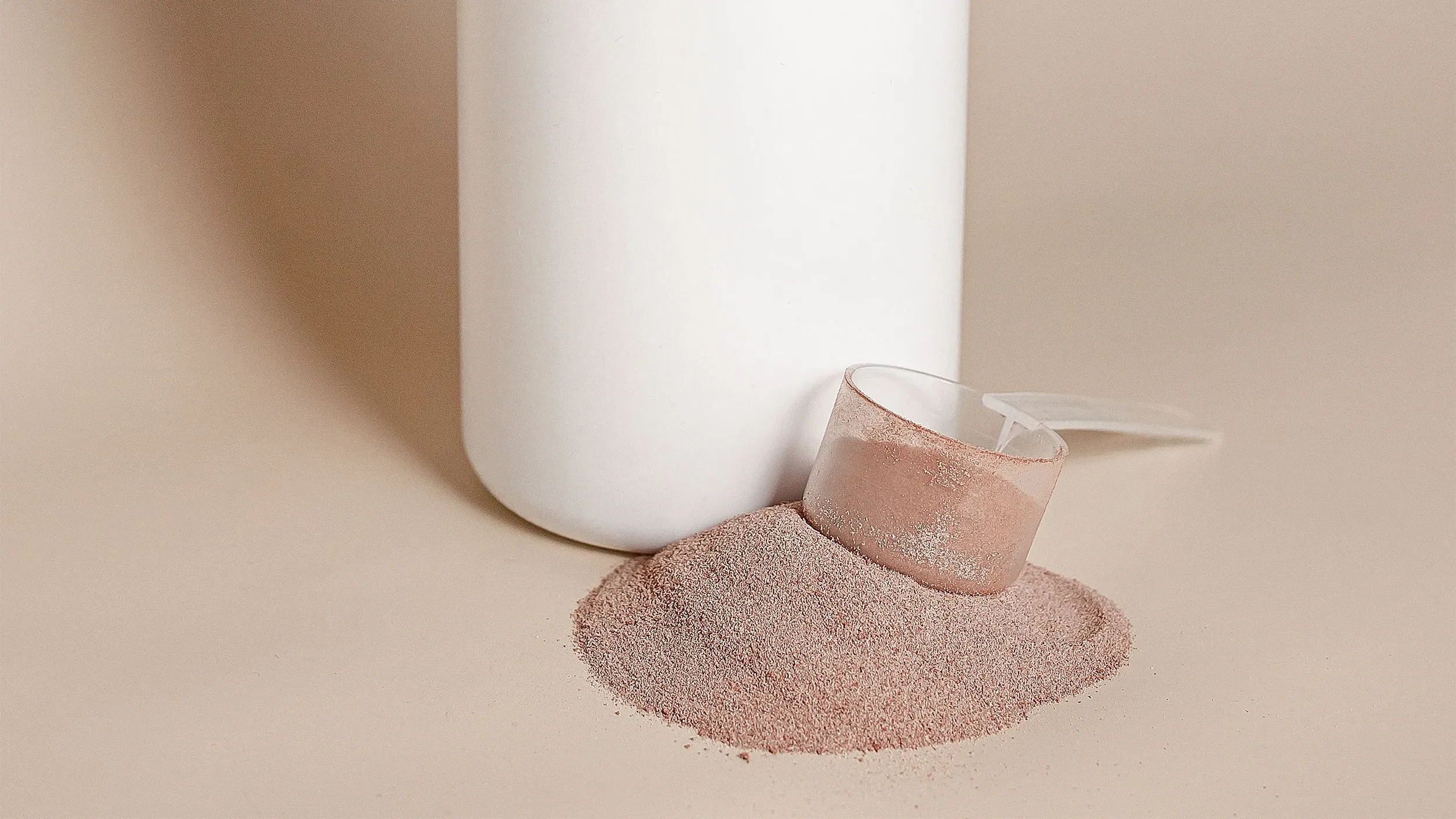
Prebiotics are non-digestible fibers that feed your beneficial bacteria, helping them thrive and multiply. Without adequate prebiotic intake, even the best probiotics won’t establish themselves long-term in your gut.
The Best Prebiotic Supplements Include:
- Inulin: A soluble fiber found in chicory root that promotes Bifidobacterium growth.
- Partially Hydrolyzed Guar Gum (PHGG): Easy on digestion with minimal bloating.
- Resistant Starch: Starch that escapes digestion and feeds good bacteria in your colon.
- Arabinogalactan: A gentle fiber that supports beneficial bacterial growth.
The best gut health supplements often combine prebiotics and probiotics in a “synbiotic” formula that provides both the bacteria and their food source. However, start with small doses of prebiotic fiber—too much too quickly can cause temporary bloating and gas as your microbiome adjusts.
Digestive Enzymes: Breaking Down What Probiotics Can’t
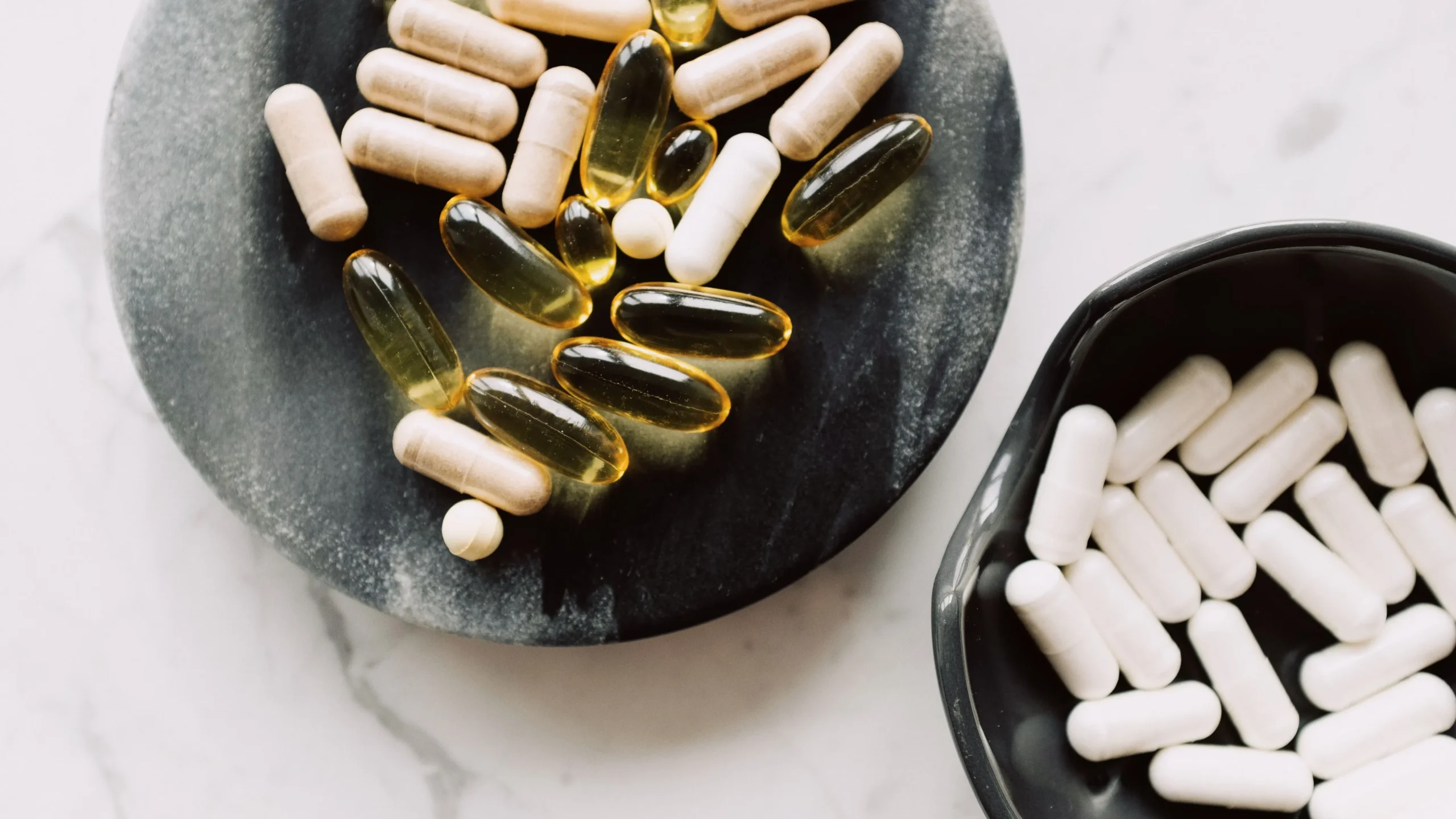
Even beneficial bacteria need food that’s been properly broken down. Digestive enzymes help your body extract nutrients from food and reduce the undigested food particles that can feed harmful bacteria.
Key Enzymes in Quality Supplements:
- Protease: Breaks down proteins into amino acids.
- Amylase: Breaks down carbohydrates.
- Lipase: Breaks down fats.
- Alpha-galactosidase: Helps prevent gas from beans and cruciferous vegetables.
People with low stomach acid, IBS, or food sensitivities often benefit from digestive enzyme supplements. The best gut health supplements include enzyme blends that support complete nutrient breakdown across multiple food categories.
Note: Digestive enzymes are most effective when taken with meals, unlike probiotics which are often taken on an empty stomach.
Gut-Healing Compounds: Sealing and Soothing

If your gut lining is damaged or “leaky,” beneficial bacteria struggle to establish themselves. Several compounds have strong evidence for supporting gut barrier integrity:
L-Glutamine: The preferred fuel source for intestinal cells. Studies show it helps maintain gut barrier function and reduces intestinal permeability.
Bone Broth or Collagen Peptides: Contains gelatin and collagen that literally provide the building blocks for repairing the intestinal lining.
Zinc Carnosine: A compound that strengthens tight junctions in the gut epithelium. Research suggests it’s particularly effective for people with compromised gut barriers.
Slippery Elm and Marshmallow Root: Traditional herbal remedies that soothe inflamed gut tissue. While less studied than others, centuries of use suggest benefit for inflammatory digestive conditions.
The best gut health supplements for healing often combine several of these compounds in targeted formulas designed for “leaky gut” or intestinal permeability.
Specialized Supplements for Specific Concerns
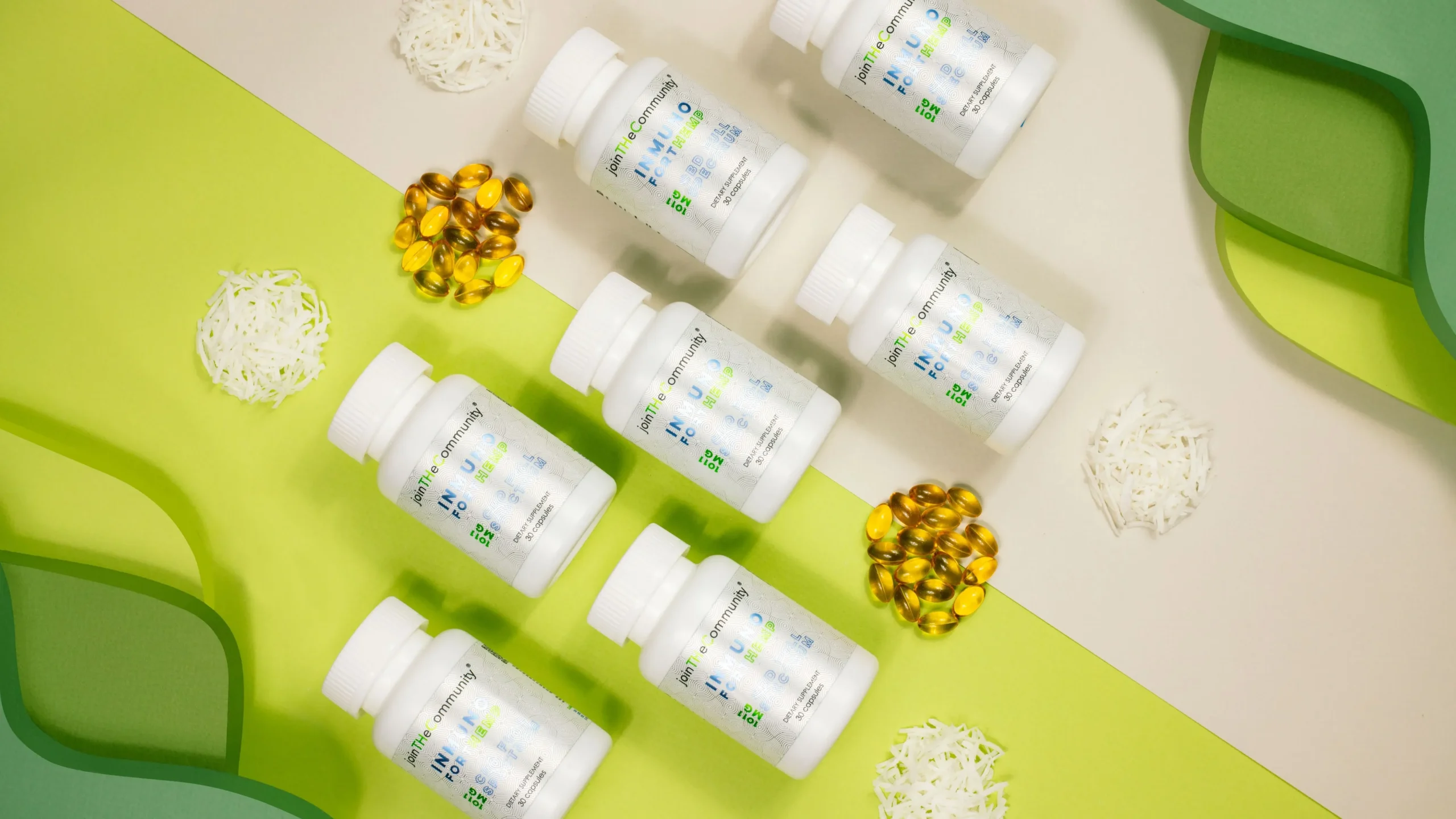
Beyond basic probiotic and prebiotic support, targeted supplements address specific microbiome issues:
For Bloating and Gas: Supplements containing alpha-galactosidase, ginger, and fennel seed work synergistically to reduce fermentation and bloating.
For Constipation: Magnesium citrate, partially hydrolyzed guar gum, and Bifidobacterium species support regular bowel movements through multiple mechanisms.
For Diarrhea: Saccharomyces boulardii (a beneficial yeast) and specific Lactobacillus strains have strong clinical evidence for reducing diarrhea duration and severity.
For Mood and Brain Health: The gut-brain axis is real—psychobiotics like Lactobacillus helveticus and Bifidobacterium longum show promise for reducing anxiety and supporting mood.
For Immune Support: Beta-glucans, mushroom compounds, and specific probiotic strains all enhance immune cell production in the gut, where 70% of your immune system lives.
How to Choose the Best Gut Health Supplements for You

With so many options, here’s your decision-making framework:
Step 1: Start with your symptoms. Are you bloated? Constipated? Dealing with food sensitivities? Your symptoms point toward which supplements will help most.
Step 2: Look for clinical evidence. The best gut health supplements cite peer-reviewed studies on their specific strains and compounds. If the product doesn’t mention research, that’s a red flag.
Step 3: Check for third-party testing. NSF Certified, USP Verified, or ConsumerLab tested products give you confidence that what’s on the label is actually in the bottle.
Step 4: Consider your diet and lifestyle first. Supplements amplify the benefits of healthy habits. If you’re eating ultra-processed foods and living a high-stress lifestyle, even the best gut health supplements will have limited impact.
Step 5: Give it time. Microbiome changes take 4-12 weeks to fully manifest. Commit to consistent use before deciding if a supplement works for you.
How long does it take for gut health supplements to work?
Most people notice initial improvements in digestion within 2-3 weeks of starting quality supplements. However, meaningful microbiome shifts take 4-12 weeks. For maximum benefits, consistency is crucial—taking supplements sporadically won’t deliver results. Some people with significant dysbiosis may need 8-12 weeks before noticing substantial improvements in energy, mood, and digestion.
Can you take probiotics and digestive enzymes together?
Yes, probiotics and digestive enzymes complement each other. However, timing matters. Take digestive enzymes with meals so they can break down food, and take probiotics on an empty stomach (or with a prebiotic) so they can reach your colon intact. Many people take probiotics first thing in the morning and enzymes with lunch and dinner. Some people also find that combining them in a synbiotic formula is convenient and effective.
Are natural probiotics from fermented foods better than supplements?
Fermented foods like yogurt, sauerkraut, and kombucha contain beneficial bacteria, but they’re not as concentrated or clinically verified as quality supplements. The best approach combines both: eat fermented foods for variety and food-based nutrients, while using targeted supplements for specific strains and higher CFU counts. Most people need supplemental probiotics in addition to dietary sources to meaningfully shift their microbiome composition.
Medical Disclaimer
This article is for educational purposes only and should not replace professional medical advice. While gut health supplements have strong scientific support, individual results vary. If you have a medical condition, take medications, or are pregnant or breastfeeding, consult with a healthcare provider before starting any supplement regimen. Some supplements may interact with medications or exacerbate certain conditions. Always disclose supplement use to your healthcare team.
Conclusion: Invest in Your Microbiome

Finding the best gut health supplements is about understanding what your microbiome needs and choosing products backed by science and third-party verification. Quality probiotics, prebiotics, digestive enzymes, and gut-healing compounds work together to restore balance and optimize your digestive health.
Remember: supplements work best as part of a holistic approach that includes whole foods, regular movement, adequate sleep, and stress management. When combined with these healthy habits, the best gut health supplements can transform your digestion, energy, immunity, and overall quality of life.
Ready to explore science-backed gut health solutions? Visit zymgut.com to discover our carefully formulated supplements designed to restore your microbiome balance and help you feel your best in 2026 and beyond.
Photo by Alicia Harper on Pexels