
Your digestive system is more sensitive than you might think. Stress, poor posture, and lack of movement can all contribute to sluggish digestion, bloating, and discomfort. That’s where yoga for gut health comes in. This ancient practice offers a natural, accessible way to support your digestive system and improve overall wellness.
Whether you’re dealing with occasional digestive issues or looking to optimize your gut health, specific yoga poses can stimulate digestion, reduce bloating, and promote a healthy microbiome. In this guide, we’ll explore seven powerful yoga poses designed to aid digestion and support your gut health journey.
How Yoga Supports Digestive Health

Before diving into specific poses, it’s important to understand how yoga for gut health actually works. Yoga affects your digestive system in multiple ways:
- Reduces Stress: Chronic stress impairs digestion by triggering your fight-or-flight response. Yoga activates your parasympathetic nervous system (rest-and-digest mode), allowing your body to focus on digestive processes.
- Improves Posture: Better posture creates more space in your abdominal cavity, reducing pressure on digestive organs and allowing food to move through more efficiently.
- Stimulates Digestive Organs: Twists, forward folds, and gentle compressions massage your stomach, small intestine, and colon, promoting movement and elimination.
- Enhances Blood Flow: Increased circulation delivers more oxygen and nutrients to your digestive organs, supporting their optimal function.
- Balances the Gut Microbiome: The stress-reducing benefits of yoga may support a healthier balance of beneficial gut bacteria.
Now, let’s explore the seven best yoga poses for digestive health.
7 Best Yoga Poses for Digestion and Gut Health

1. Cat-Cow Pose (Marjaryasana-Bitilasana)

Cat-Cow is one of the gentlest yet most effective poses for digestive support. This flowing movement massages your abdominal organs and gently warms up your entire digestive tract.
How to perform: Start on your hands and knees. As you inhale, drop your belly toward the ground, lift your gaze, and arch your back (Cow pose). As you exhale, round your spine, tuck your chin, and draw your belly in (Cat pose). Flow between these positions for 10-15 rounds, syncing movement with breath.
Benefits: Increases abdominal circulation, relieves bloating, and awakens digestive function without straining your body.
2. Seated Spinal Twist (Ardha Matsyendrasana)
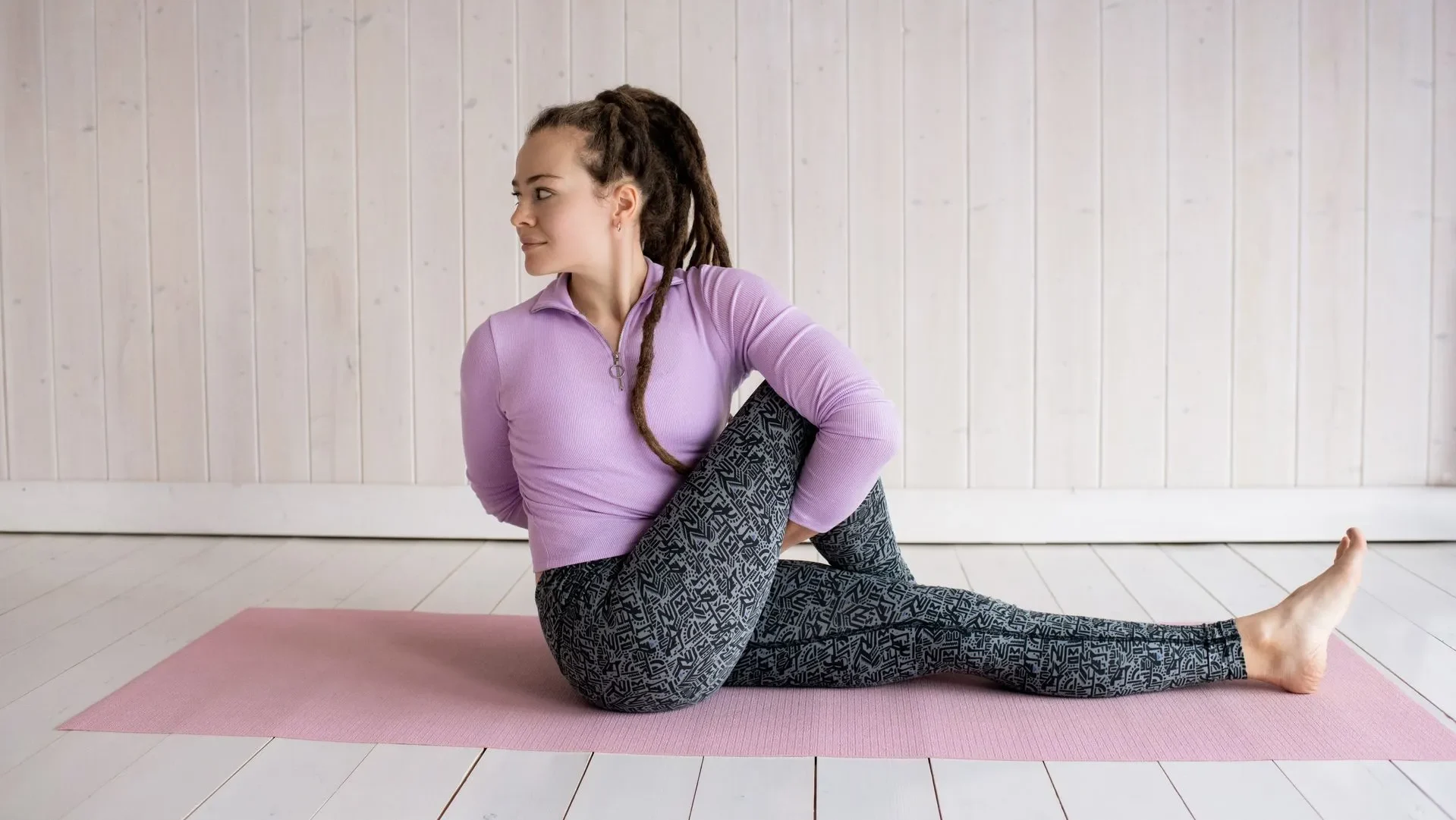
Twists are powerhouse moves for yoga for gut health. They gently compress and massage your colon, promoting elimination and reducing bloating.
How to perform: Sit with both legs extended. Bend your right knee and place your right foot flat on the floor outside your left thigh. Inhale to lengthen your spine, then exhale as you twist toward your right knee, using your left arm to gently deepen the twist. Hold for 30 seconds, then repeat on the other side.
Benefits: Stimulates the colon, aids in detoxification, and relieves digestive discomfort and constipation.
3. Child’s Pose (Balasana)

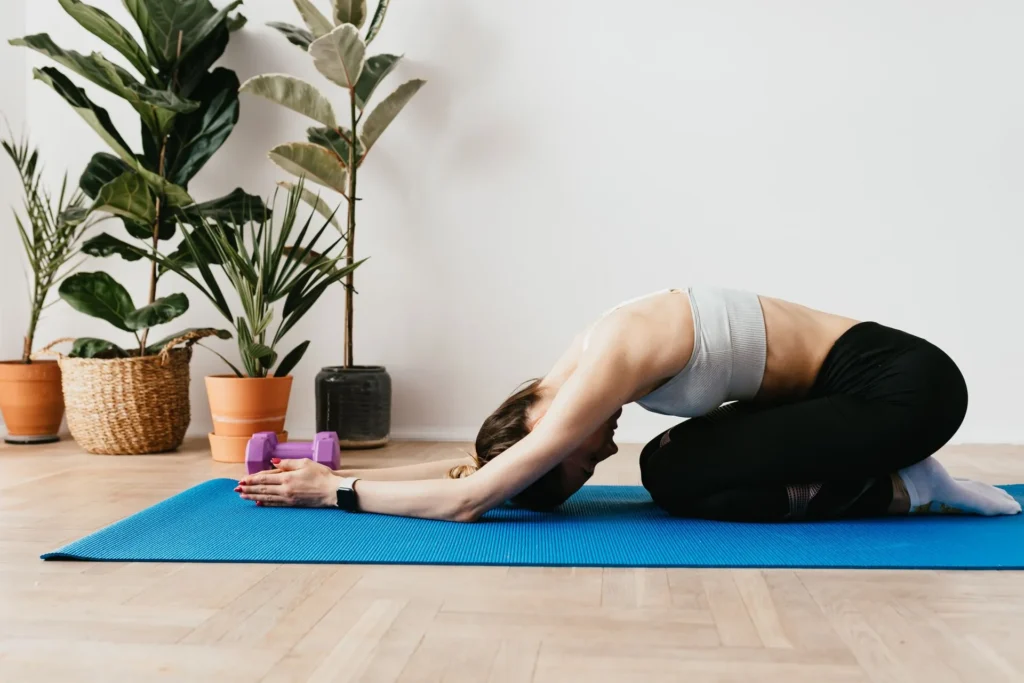
This restorative pose calms your nervous system while gently stretching your digestive tract. It’s perfect for those moments when you need to decompress.
How to perform: From a kneeling position, bring your big toes together and widen your knees. Sink your hips back toward your heels and extend your arms forward, resting your forehead on the mat. Breathe deeply for 1-2 minutes.
Benefits: Reduces stress and anxiety, promotes relaxation of the digestive muscles, and calms an overactive digestive system.
4. Downward-Facing Dog (Adho Mukha Svanasana)

This inversion gently reverses the pressure on your abdominal organs, improving blood flow to your digestive system and supporting overall function.
How to perform: From a plank position, press your hands firmly into the mat and lift your hips high, creating an inverted V-shape with your body. Your head should be neutral, not hanging. Hold for 5-10 breaths.
Benefits: Improves circulation to digestive organs, aids in lymphatic drainage, and helps relieve constipation.
5. Forward Fold (Uttanasana)
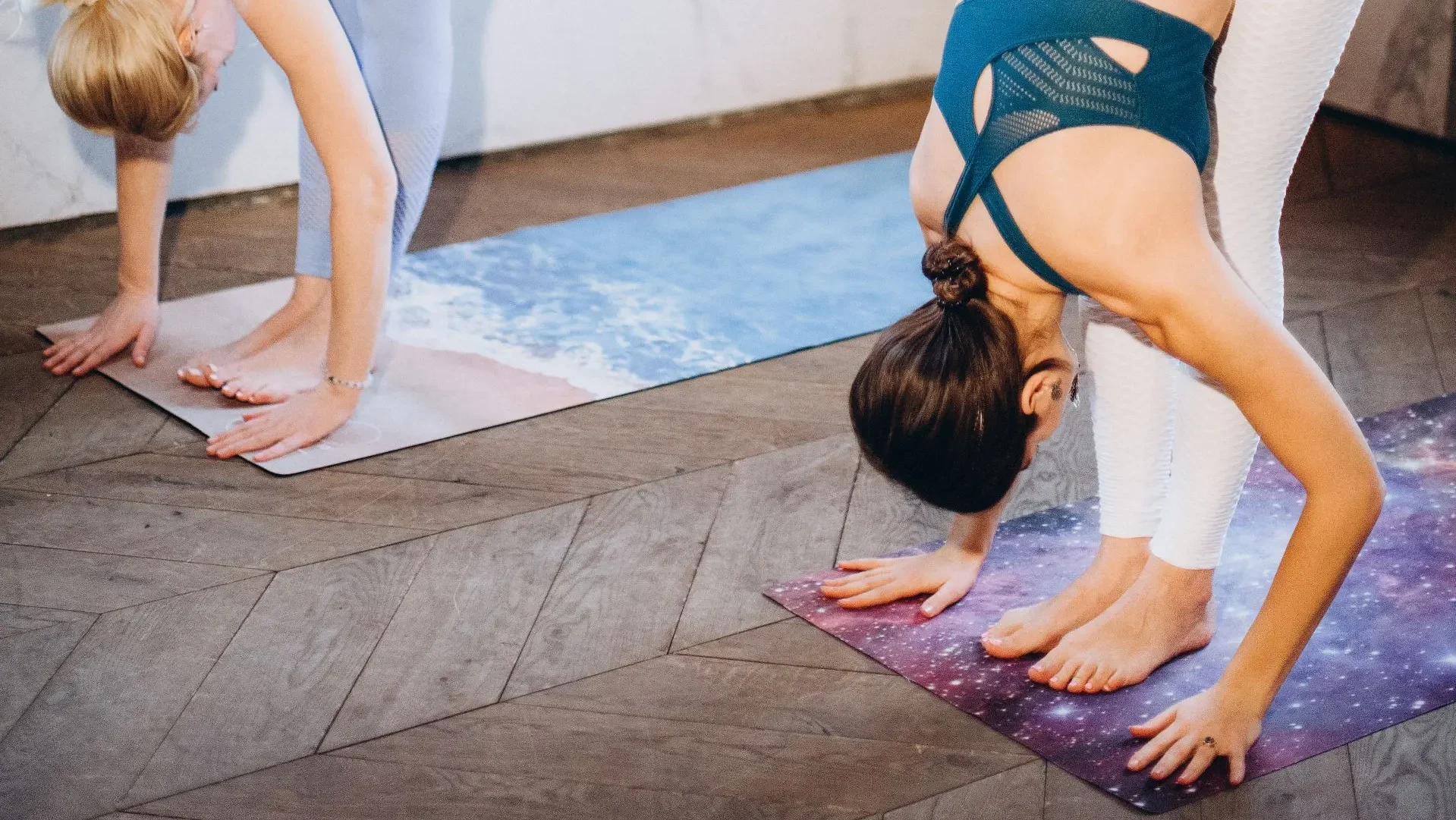
Forward folds gently compress your abdomen while calming your mind. This pose is excellent for digestion and stress relief.
How to perform: Stand with feet hip-width apart. Hinge at your hips and fold forward, letting your head and arms hang heavy. You can keep your knees slightly bent if hamstring tightness is an issue. Hold for 30-60 seconds while breathing deeply.
Benefits: Stretches and massages abdominal organs, aids digestion, and activates the parasympathetic nervous system for better rest-and-digest function.
6. Supine Twist (Supta Bharadvajasana)

This gentle supine twist is ideal for evening practice and particularly beneficial for anyone experiencing bloating or constipation.
How to perform: Lie on your back with both knees bent and feet flat on the floor. Drop both knees to your right side while keeping your shoulders on the mat. Rest your head where comfortable and breathe for 30-60 seconds, then repeat on the left side.
Benefits: Massages your colon naturally, aids in waste elimination, and relieves abdominal tension and bloating.
7. Corpse Pose (Savasana)
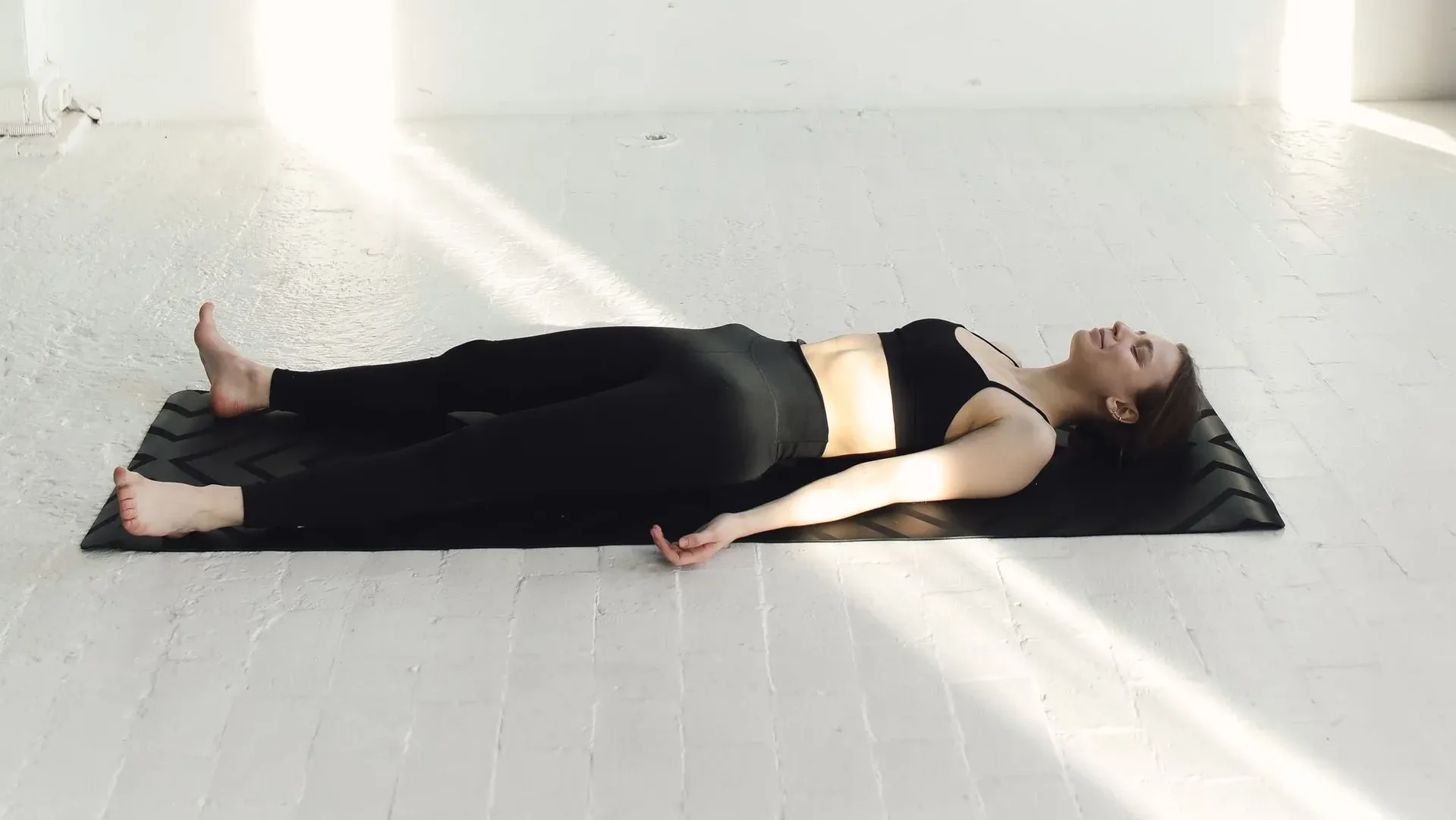
Though it might seem simple, Corpse pose is crucial for yoga for gut health. This final relaxation pose allows your entire system to settle into rest-and-digest mode.
How to perform: Lie flat on your back with your legs extended and arms at your sides, palms facing up. Close your eyes and focus on your natural breath for 5-10 minutes. Allow your entire body to relax completely.
Benefits: Deeply activates parasympathetic nervous system, supports healthy digestion, and promotes complete nervous system restoration.
Creating Your Yoga for Gut Health Routine
The best yoga routine is one you’ll actually practice consistently. Here’s a simple 15-20 minute sequence for digestive support:
- Begin with 5 rounds of Cat-Cow pose (1-2 minutes)
- Move into Downward-Facing Dog (hold 10 breaths)
- Flow into Forward Fold (hold 30-60 seconds)
- Perform Seated Spinal Twist on both sides (1 minute total)
- Practice Child’s Pose (1-2 minutes)
- Move into Supine Twist on both sides (1 minute total)
- End with 5-10 minutes in Corpse Pose
For best results, practice this sequence 3-4 times per week, ideally at the same time each day. Morning practice energizes your digestion for the day ahead, while evening practice supports gentle nighttime digestion.
Tips for Maximizing Digestive Benefits

To get the most out of yoga for gut health, keep these tips in mind:
- Practice on an Empty Stomach: Wait at least 2-3 hours after eating before practicing yoga to avoid discomfort.
- Focus on Breath: Deep, conscious breathing is essential for activating your parasympathetic nervous system.
- Stay Hydrated: Drink plenty of water before and after your practice to support digestion and detoxification.
- Be Consistent: Regular practice yields better results than sporadic sessions.
- Listen to Your Body: Modify poses as needed and never push through pain.
- Combine with Other Practices: Pair yoga with fermented foods, adequate fiber, and proper hydration for optimal gut health.
How often should I practice yoga for gut health?
Can yoga help with IBS and other digestive disorders?
Is yoga for gut health suitable for beginners?
Medical Disclaimer
This article is for informational and educational purposes only and should not be considered medical advice. While yoga is generally safe for most people, it’s important to consult with your healthcare provider before beginning any new exercise routine, especially if you have existing digestive conditions, injuries, or health concerns. Always listen to your body and stop if you experience pain or discomfort. Individual results may vary, and yoga should complement, not replace, professional medical treatment.
Final Thoughts: Supporting Your Gut Health Journey

Yoga for gut health offers a powerful, holistic approach to supporting your digestive system. By practicing these seven poses regularly, you can reduce stress, improve circulation, stimulate your digestive organs, and create an environment where your gut can truly thrive.
Remember, optimal gut health involves more than just yoga. A balanced diet rich in fiber, adequate hydration, quality sleep, and stress management all work together to support your digestive wellness. If you’re looking to enhance your gut health further, consider exploring fermented foods and targeted nutrition strategies alongside your yoga practice.
Ready to take your gut health to the next level? Visit Brine & Thrive at zymgut.com to explore our science-backed products and resources designed to support your digestive wellness. From fermented vegetables to gut-health guides, we’re here to help you build a thriving microbiome from the inside out.
Photo by olia danilevich on Pexels