
If you’ve been researching natural ways to improve your digestive health, you’ve probably encountered the term “peptides for gut health” in your search results. From supplement shelves to wellness blogs, peptides are being touted as a revolutionary solution for everything from leaky gut to inflammation. But do they actually deliver on their promises? Let’s dive into the science behind peptides and explore what research tells us about their effectiveness for gut health.
What Are Peptides and How Do They Work?
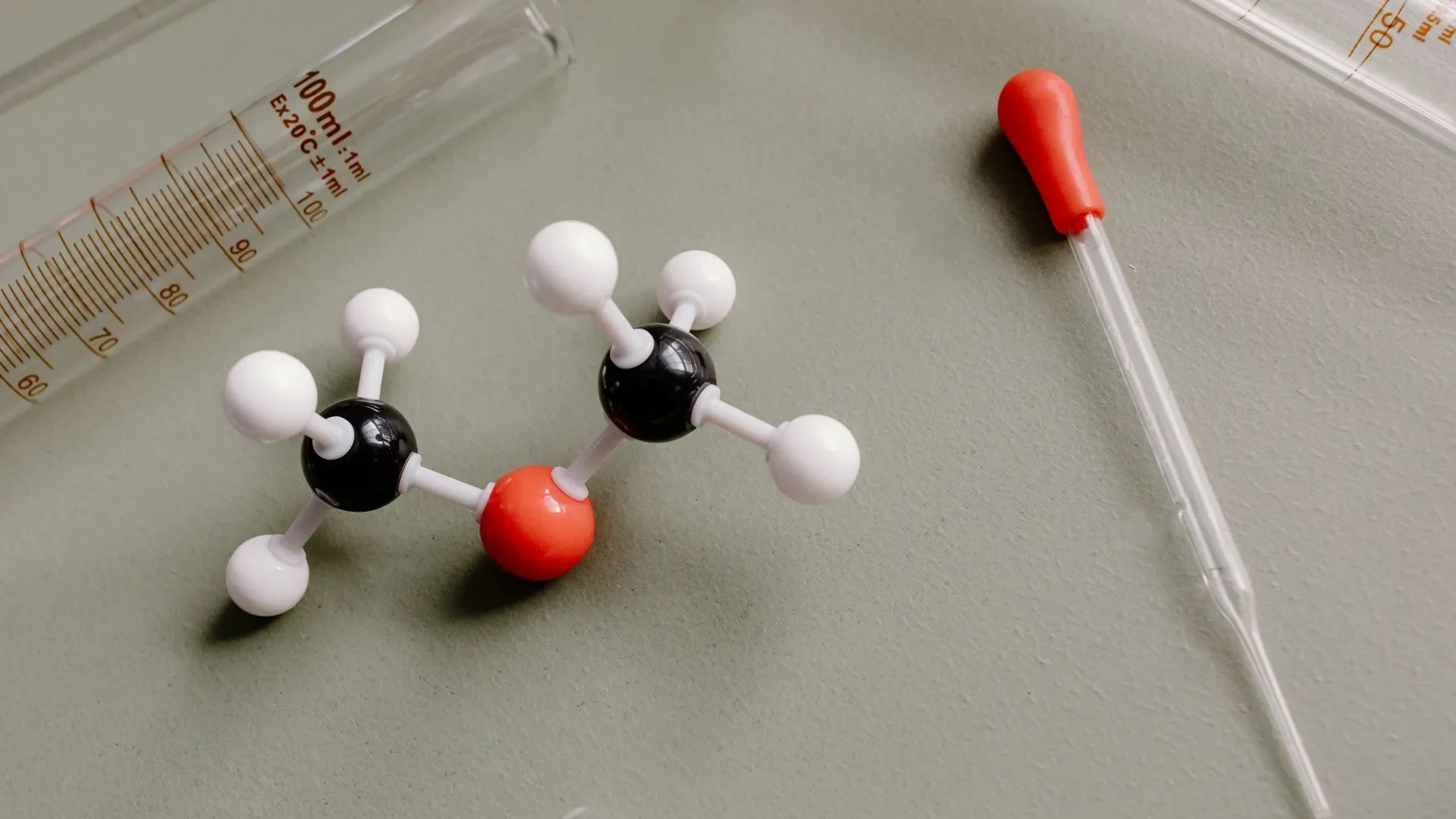
Peptides are short chains of amino acids—the building blocks of protein. When proteins are broken down through digestion or processing, they form peptides. These smaller molecules are easier for your body to absorb and utilize compared to whole proteins, which is why peptides for gut health have become increasingly popular in the wellness industry.
In the context of gut health, specific peptides are believed to interact with your intestinal lining, potentially supporting the integrity of your gut barrier. Your gut barrier is a crucial component of digestive health—it acts like a selective filter, allowing beneficial nutrients to pass through while keeping harmful substances out. When this barrier becomes compromised, it can lead to various digestive issues and systemic inflammation.
The theory is that peptides for gut health can help strengthen this barrier by supporting tight junctions—the connections between intestinal cells. This is particularly relevant for individuals dealing with what’s commonly referred to as “leaky gut” or increased intestinal permeability.
The Science Behind Peptides for Gut Health
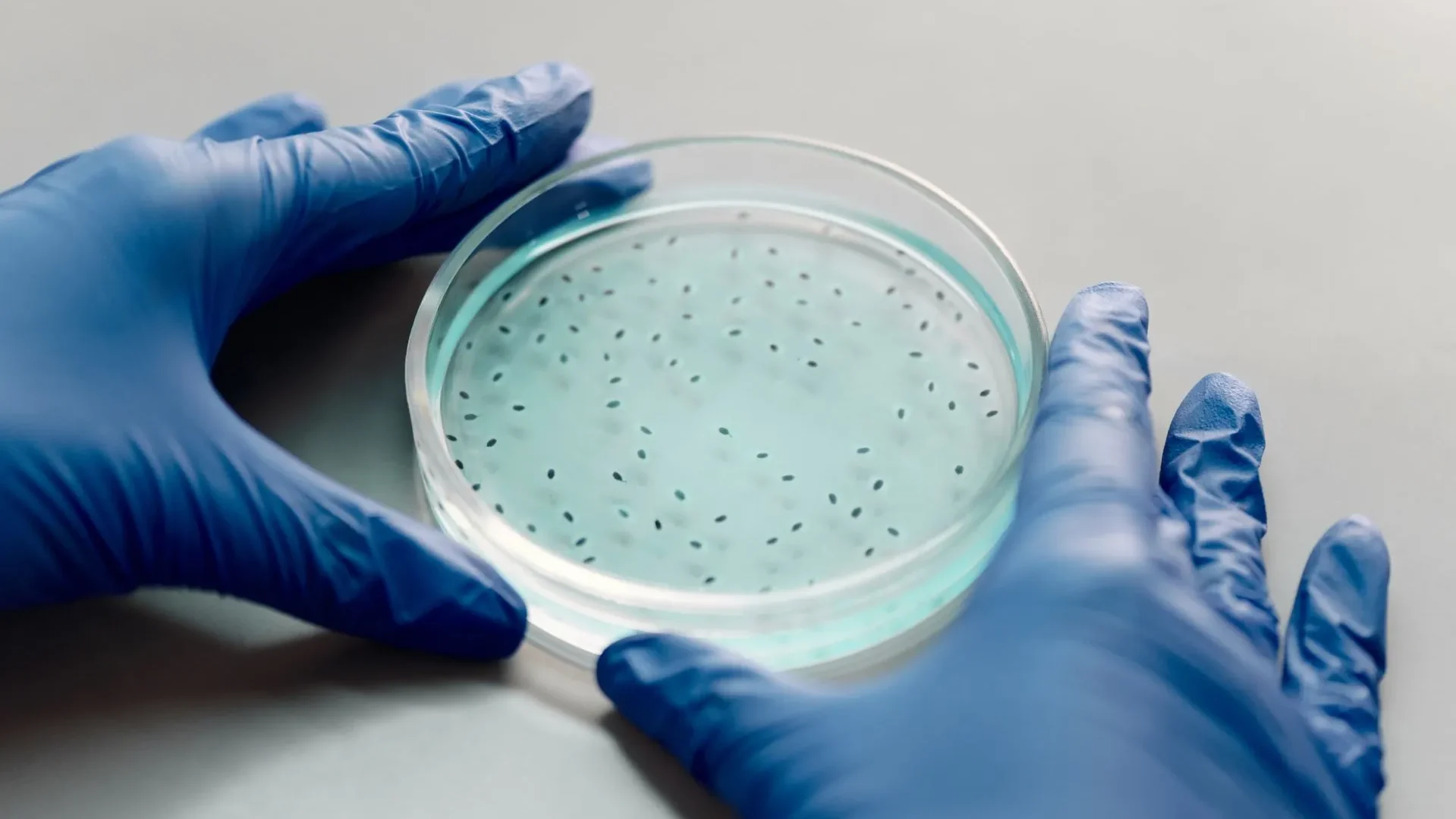
Research on peptides for gut health is still emerging, but several studies have shown promising results. Collagen peptides, in particular, have been the focus of numerous scientific investigations. Collagen is the most abundant protein in your body, and when broken down into peptides, it may provide specific amino acids that support gut lining integrity.
One of the most important amino acids in collagen peptides is glycine, which plays a crucial role in maintaining the structure of your intestinal barrier. Additionally, collagen peptides contain glutamine, another amino acid known for supporting gut cell health and reducing inflammation.
Some clinical studies have demonstrated that individuals consuming collagen peptides for gut health experienced improvements in digestive symptoms, increased nutrient absorption, and enhanced immune function. However, it’s important to note that many of these studies involve relatively small sample sizes, and more large-scale clinical trials are needed to fully establish the efficacy of peptides for gut health.
The bioavailability of peptides is another reason they’re gaining attention in gut health circles. Because peptides are already partially broken down, your digestive system doesn’t have to work as hard to absorb them, making them potentially beneficial for individuals with compromised digestive function.
Types of Peptides Used for Gut Health
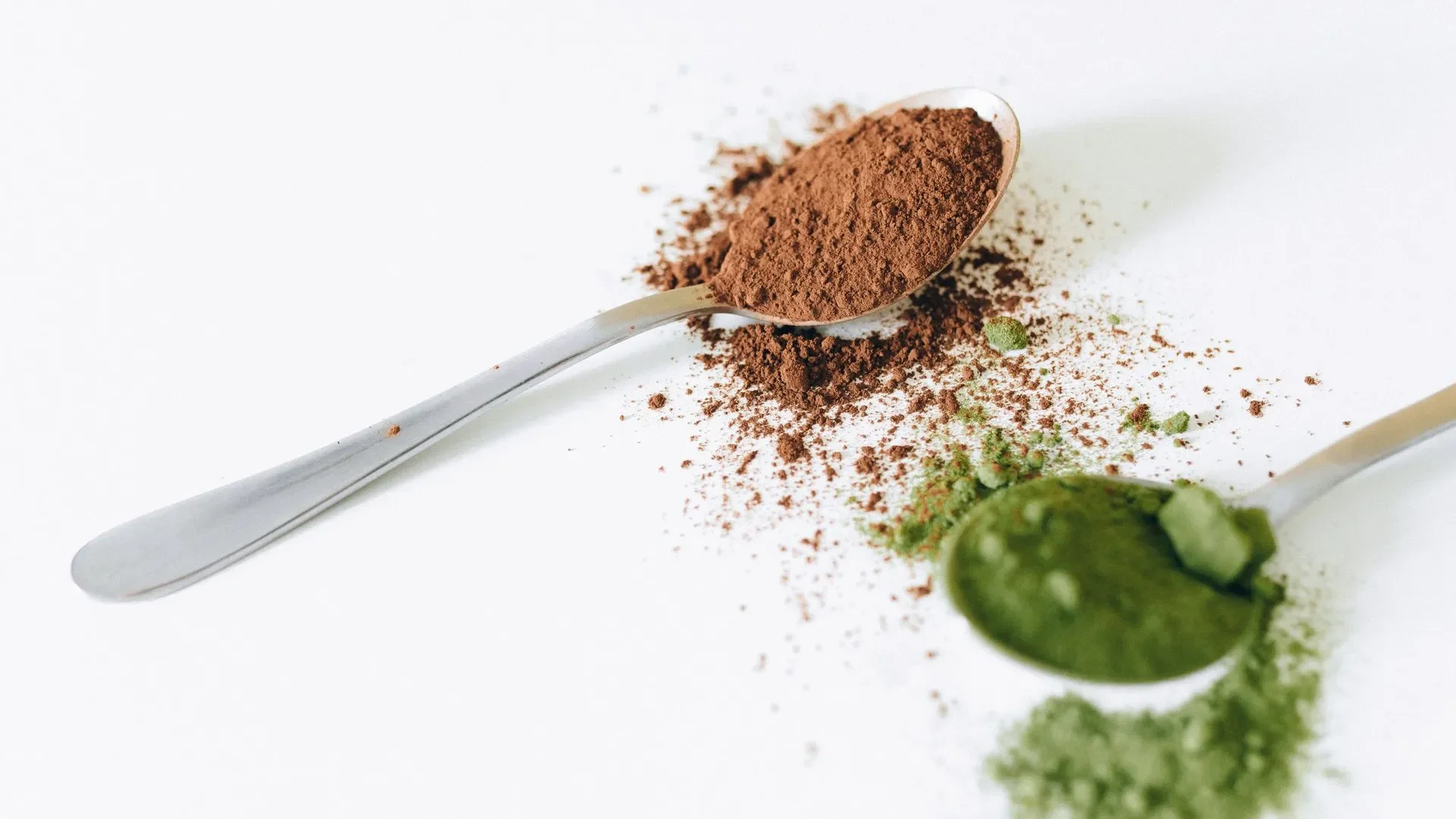
Not all peptides are created equal when it comes to supporting gut health. Here are the most researched and utilized peptides for gut health:
Collagen Peptides: Derived from animal sources like beef or fish, collagen peptides are the most popular peptides for gut health supplements. They’re rich in glycine and proline, amino acids that support intestinal barrier function.
Bone Broth Peptides: Made from simmered animal bones and connective tissue, bone broth naturally contains collagen peptides along with other beneficial compounds like gelatin and minerals.
Plant-Based Peptides: For those following vegetarian or vegan diets, plant-based peptides derived from sources like pea, hemp, or rice proteins are becoming more available, though research on their specific benefits for gut health is more limited.
Bioactive Peptides: These are peptides specifically identified in fermented foods and certain foods that have been shown to have health-promoting properties beyond basic nutrition.
Potential Benefits and Limitations of Peptides for Gut Health
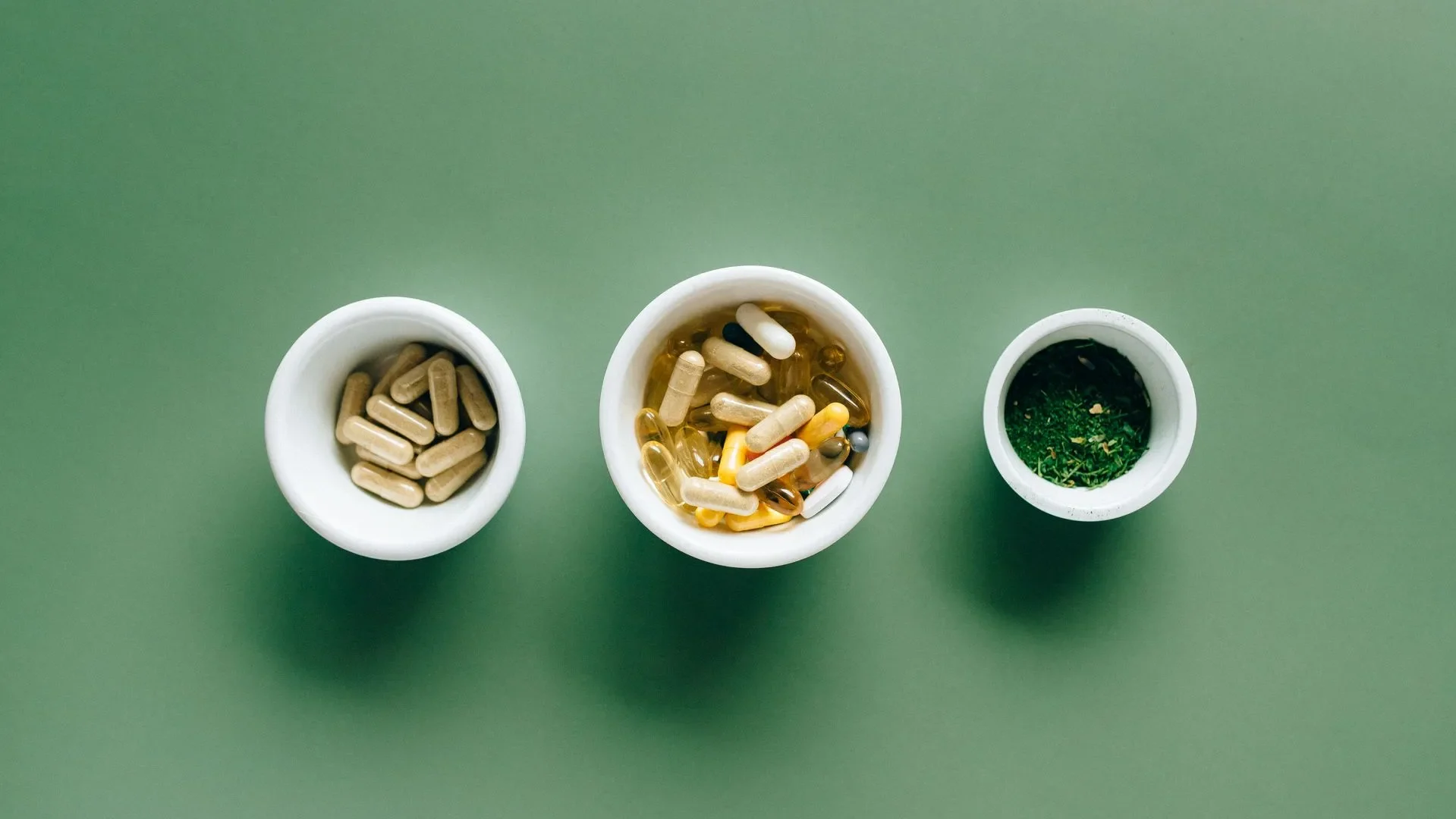
The potential benefits of peptides for gut health are exciting, but it’s important to maintain realistic expectations. Research suggests that peptides for gut health may help with:
- Supporting intestinal barrier integrity
- Reducing inflammation in the digestive tract
- Improving nutrient absorption
- Supporting the growth of beneficial gut bacteria
- Reducing symptoms associated with leaky gut
- Enhancing overall digestive comfort
However, there are some important limitations to consider. First, the gut microbiome is incredibly complex, and peptides alone are unlikely to be a complete solution for serious digestive issues. Second, individual responses to peptides for gut health can vary significantly based on factors like existing microbiome composition, diet, stress levels, and overall health status.
Additionally, the quality and sourcing of peptide supplements matter considerably. Not all supplements are created equal, and choosing high-quality, third-party tested products is essential for safety and efficacy.
How to Use Peptides for Gut Health Effectively

If you’re considering peptides for gut health, here are some evidence-based guidelines for use:
Start with Quality Sources: Choose peptides from reputable brands that provide third-party testing and transparency about sourcing. Whether you opt for collagen peptides, bone broth, or other peptide supplements, quality matters.
Consistency is Key: Research on peptides for gut health suggests that consistent use over several weeks is necessary to see meaningful results. Most studies show benefits after 4-12 weeks of regular consumption.
Combine with a Holistic Approach: Peptides work best as part of a comprehensive gut health strategy that includes a fiber-rich diet, stress management, adequate sleep, and regular physical activity.
Stay Hydrated: Peptides support your gut barrier, but they need adequate water to function optimally. Ensure you’re drinking enough water throughout the day.
Integrating Peptides into Your Gut Health Journey

While peptides for gut health show promise, they’re most effective when integrated into a broader wellness strategy. Consider combining peptide supplementation with fermented foods like sauerkraut and kimchi, which provide beneficial probiotics, and prebiotic foods like garlic, onions, and asparagus that feed your beneficial bacteria.
The research on peptides for gut health is encouraging, but remember that nutritional science is always evolving. What works wonderfully for one person might not produce the same results for another, which is why it’s helpful to approach any new supplement with realistic expectations and professional guidance.
Are peptides for gut health safe?
Peptides for gut health are generally recognized as safe for most people when sourced from reputable suppliers. However, individuals with allergies to specific protein sources (such as fish or beef) should choose peptides accordingly. As with any supplement, it’s wise to consult with a healthcare provider before starting peptides for gut health, especially if you’re taking medications or have existing health conditions.
How long does it take to see results from peptides for gut health?
Most research on peptides for gut health suggests that you should allow 4-12 weeks for noticeable improvements. Some people report feeling better within 2-3 weeks, while others may require longer. Consistency with supplementation and supporting lifestyle changes is crucial for seeing the benefits of peptides for gut health.
Can peptides for gut health replace probiotics?
No, peptides for gut health and probiotics serve different functions. Probiotics introduce beneficial bacteria, while peptides for gut health provide amino acids that support your intestinal barrier. For comprehensive gut health support, most experts recommend using both peptides and probiotics as complementary strategies rather than choosing one over the other.
Medical Disclaimer: This article is for informational purposes only and should not be construed as medical advice. Always consult with a qualified healthcare provider before starting any new supplement regimen, including peptides for gut health. Individual results may vary, and the information presented here is based on current research but should not replace professional medical guidance.
Conclusion: Are Peptides for Gut Health Worth Trying?

So, do peptides for gut health actually work? The short answer is that evidence suggests they can be beneficial for many people, particularly when used consistently as part of a comprehensive gut health strategy. The research on peptides for gut health continues to grow, and early findings are promising.
Rather than viewing peptides for gut health as a magic cure-all, think of them as one valuable tool in your digestive wellness toolkit. Combined with proper nutrition, stress management, sleep, and other lifestyle factors, peptides for gut health may help you achieve the digestive comfort and vitality you’re seeking.
Ready to explore more evidence-based approaches to gut health? Visit Brine & Thrive at zymgut.com to discover fermented foods, probiotics, and other natural solutions designed to support your gut health journey. Our mission is to help you cultivate a thriving microbiome through science-backed nutrition and whole-food solutions.
Photo by Alicia Harper on Pexels