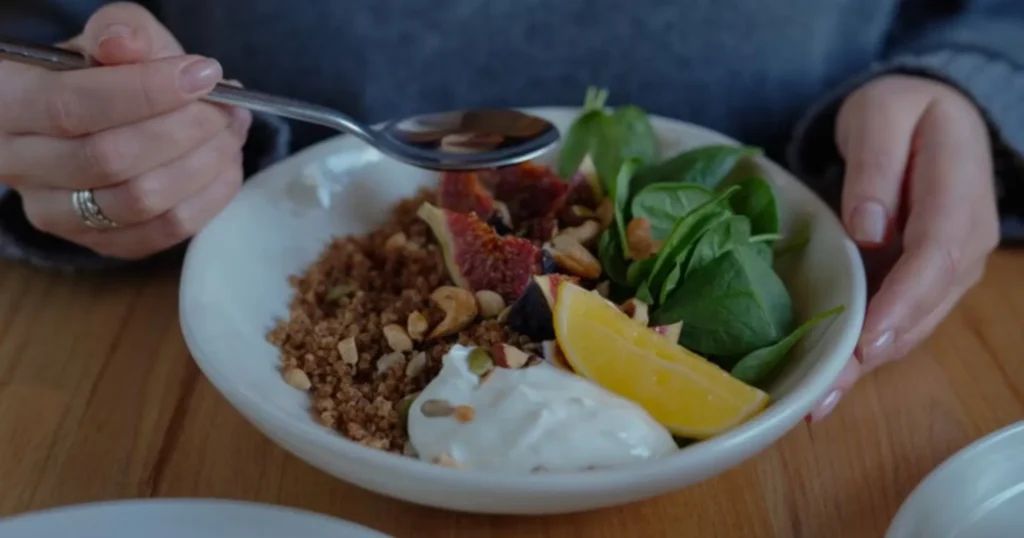
Your gut health is the foundation of your overall wellness. A damaged gut can lead to digestive issues, weakened immunity, poor nutrient absorption, and even mood disturbances. If you’re struggling with bloating, irregular bowel movements, food sensitivities, or chronic inflammation, learning how to repair a gut health should be your priority. This comprehensive guide walks you through proven, science-backed strategies to restore your digestive system and reclaim your vitality.
Understanding Your Gut and Why It Needs Repair
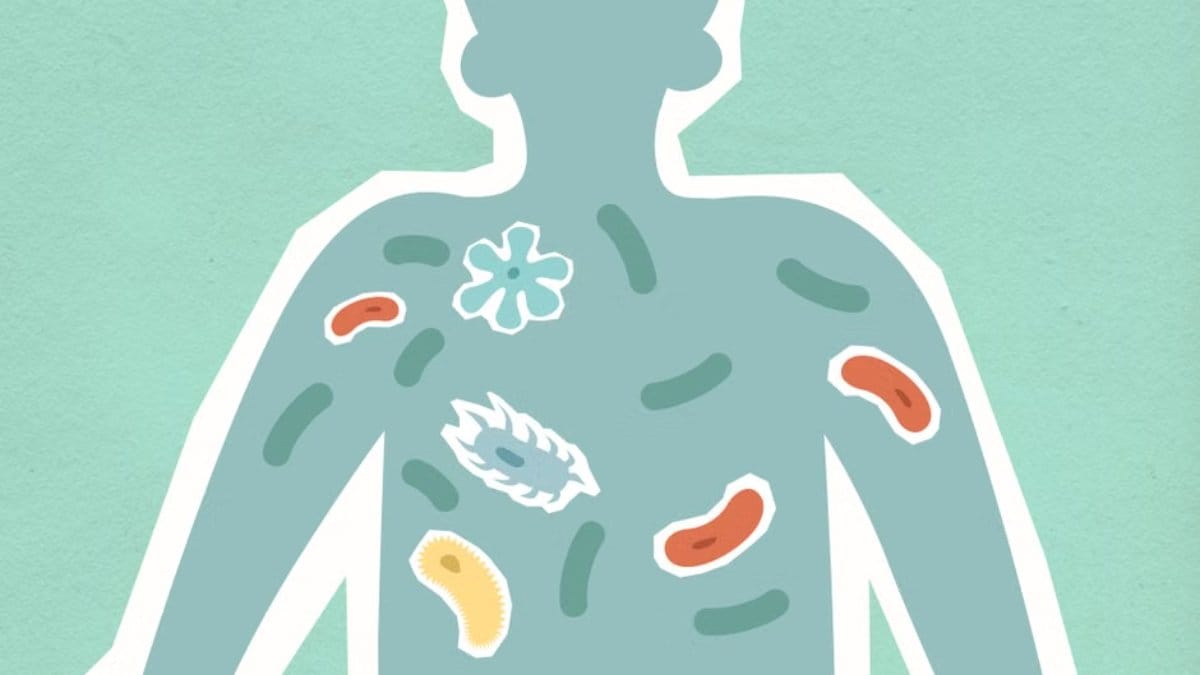
Before you can effectively repair your gut health, you need to understand what’s happening inside your digestive system. Your gut is home to trillions of bacteria, fungi, and other microorganisms that form your microbiome—think of it as an entire ecosystem that influences everything from digestion to immunity to mental health.
What Damages Your Gut?
Several modern lifestyle factors damage gut health:
- Highly processed foods: Loaded with additives, sugar, and unhealthy fats that feed harmful bacteria
- Excessive antibiotic use: Kills beneficial bacteria indiscriminately
- Chronic stress: Disrupts the gut-brain axis and increases intestinal permeability
- Poor sleep: Prevents gut lining repair and regeneration
- Alcohol and caffeine: Irritate the intestinal lining
- Lack of fiber: Starves good bacteria of essential fuel
Step 1: Remove Inflammatory Foods and Irritants

The first step in how to repair a gut health is removing foods that trigger inflammation and damage your intestinal lining. This isn’t necessarily a permanent elimination, but rather identifying and removing your personal trigger foods.
Foods to Eliminate or Reduce
Start by cutting out or significantly reducing:
- Refined sugars and processed carbohydrates
- Vegetable oils high in omega-6 (corn, soybean, canola)
- Alcohol, especially in excess
- Common inflammatory triggers like gluten and dairy (if you’re sensitive)
- Artificial sweeteners and additives
- Ultra-processed foods and fast food
Give yourself at least 4-6 weeks of elimination to allow your gut lining to begin healing without constant inflammatory stimuli.
Step 2: Add Gut-Healing Foods and Nutrients
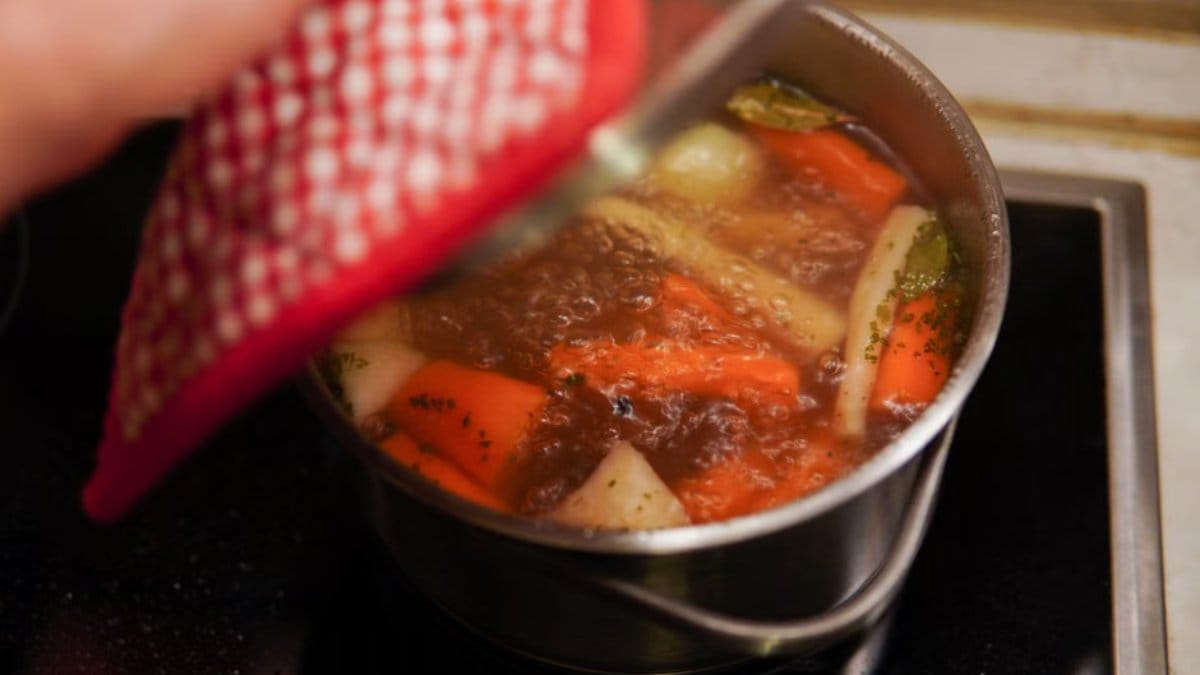
Repairing gut health requires intentional nutrition. Focus on foods that support gut barrier function, feed beneficial bacteria, and reduce inflammation throughout your digestive system.
Essential Gut-Healing Foods
- Bone broth: Rich in collagen, gelatin, and amino acids that repair intestinal lining
- Fermented foods: Natural sources of probiotics like sauerkraut, kimchi, miso, and tempeh
- Fiber-rich vegetables: Sweet potatoes, leafy greens, broccoli, and Brussels sprouts feed good bacteria
- Healthy fats: Avocados, olive oil, and fatty fish reduce inflammation
- Protein-rich foods: Grass-fed beef, wild-caught fish, and eggs support tissue repair
- Prebiotic foods: Garlic, onions, asparagus, and bananas feed beneficial bacteria
These foods work synergistically to reduce inflammation while promoting the growth of protective bacteria in your microbiome.
Key Nutrients for Gut Repair
Specific nutrients accelerate healing:
- L-glutamine: Primary fuel for intestinal cells
- Zinc carnosine: Strengthens tight junctions in the gut lining
- Omega-3 fatty acids: Reduce inflammation naturally
- Vitamin D: Supports immune function and barrier integrity
- Quercetin: Natural antihistamine and anti-inflammatory
Step 3: Incorporate Probiotics and Fermented Foods
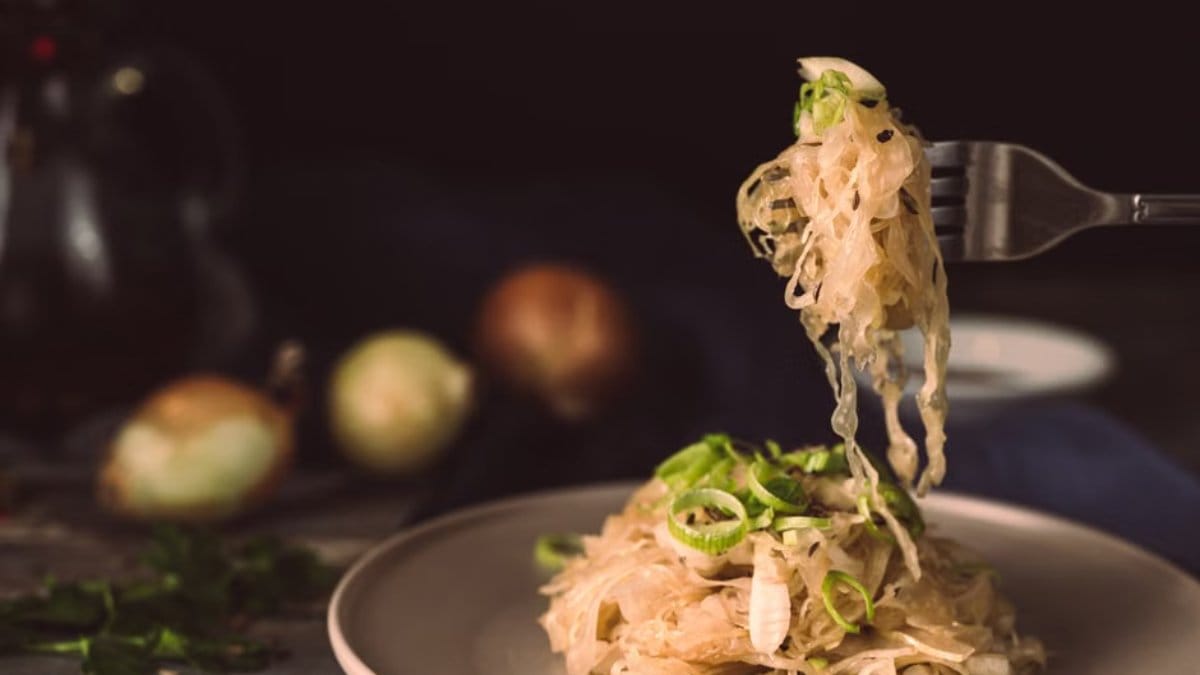
Probiotics are live beneficial bacteria that help restore balance to your microbiome. They’re essential when learning how to repair a gut health because they directly compete with harmful bacteria for resources and space.
Probiotic Sources
You can increase probiotics through both food and supplements:
Fermented Foods: Sauerkraut, kimchi, kombucha, kefir, Greek yogurt, and miso naturally contain beneficial bacteria. These are excellent because they come with their own food source (prebiotic fiber).
Probiotic Supplements: Look for supplements containing multiple strains like Lactobacillus and Bifidobacterium. Choose brands that guarantee colony-forming units (CFUs) until the expiration date, typically 10-50 billion CFU per dose.
Taking Probiotics Effectively
Start with food sources and lower-dose supplements (10-15 billion CFU) to avoid digestive upset. Increase gradually over 2-3 weeks. Take probiotics with meals to protect them through your stomach acid. Quality matters—choose reputable brands with third-party testing.
Step 4: Reduce Stress and Improve Sleep

Your gut and brain are directly connected through the vagus nerve, forming what scientists call the gut-brain axis. Chronic stress increases intestinal permeability and disrupts beneficial bacteria populations.
Stress Management Strategies
- Meditation: Even 10 minutes daily activates your parasympathetic nervous system
- Deep breathing: Slow, deep breaths signal your body to relax and digest
- Yoga: Combines movement with mindfulness to reduce stress hormones
- Time in nature: Exposure to natural light regulates cortisol
- Social connection: Meaningful relationships reduce inflammation
Sleep Optimization
Your gut repairs itself during sleep. Aim for 7-9 hours nightly and maintain consistent sleep-wake times. Poor sleep increases intestinal permeability and allows harmful bacteria to breach your gut barrier. Establish a bedtime routine: dim lights after sunset, avoid screens an hour before bed, and keep your bedroom cool and dark.
Step 5: Stay Hydrated and Support Digestion

Proper hydration and digestive support are often overlooked but crucial for repairing gut health. Water helps transport nutrients, prevents constipation, and supports the mucus layer protecting your intestinal lining.
Hydration Guidelines
Drink at least half your body weight in ounces of water daily. If you weigh 150 pounds, aim for 75 ounces. Adjust for exercise, climate, and individual needs. Spread water intake throughout the day rather than drinking large amounts at once.
Digestive Support
- Chew thoroughly: Break down food mechanically to aid digestion
- Eat slowly: Gives your body time to signal fullness and digest properly
- Bone broth: Contains gelatin that supports digestive secretions
- Digestive enzymes: May help if you’re struggling with food breakdown (especially for proteins and fats)
- Apple cider vinegar: A tablespoon before meals may stimulate stomach acid production
Timeline: When Will You See Results?
Repairing gut health isn’t overnight, but you can expect progress on this timeline:
- Week 1-2: Some reduction in bloating and more stable energy
- Week 3-4: Improved digestion, fewer food sensitivities, better mood
- Month 2-3: Noticeable improvements in skin clarity, energy levels, and immune function
- Month 3-6: Significant resolution of chronic issues, sustainable new habits established
Everyone’s timeline differs based on severity of damage, consistency with changes, and individual genetics. Be patient with yourself.
How long does it take to repair gut health?
Most people notice improvements within 2-4 weeks of implementing these strategies, but significant gut healing typically takes 3-6 months or longer, depending on the severity of damage. Your intestinal lining cells regenerate every 3-5 days, so consistent application of these methods compounds over time. Severe conditions like leaky gut syndrome may require 6-12 months of dedicated repair.
Can you repair gut health naturally?
Yes, you can repair gut health naturally through diet, lifestyle changes, stress management, and targeted supplementation. The strategies outlined in this guide—removing inflammatory foods, adding healing foods, taking probiotics, managing stress, and improving sleep—address the root causes of gut damage. Many people successfully restore their gut health without medications by making these holistic changes.
What foods heal the gut lining?
Foods that heal the gut lining include bone broth (collagen), fermented vegetables (probiotics), leafy greens (nutrients), sweet potatoes (resistant starch), wild-caught fish (omega-3s), and avocados (healthy fats). L-glutamine-rich foods like beef and eggs also support intestinal cell repair. These foods work best when combined with elimination of inflammatory triggers.
Medical Disclaimer: This article is for informational purposes only and should not replace professional medical advice. If you’re experiencing severe digestive symptoms, chronic illness, or taking medications, consult with a healthcare provider or registered dietitian before making significant dietary changes or starting supplements. Some individuals with specific health conditions or immunocompromised status should exercise caution with fermented foods and probiotics.
Conclusion: Your Path to Lasting Gut Health
Learning how to repair a gut health is one of the best investments you can make in your long-term wellness. By systematically removing inflammatory triggers, nourishing your microbiome, managing stress, and supporting your natural digestive processes, you can restore your gut to optimal functioning.
Remember that gut healing is a process, not perfection. Start with the step that feels most manageable—whether that’s removing processed foods, adding bone broth, or prioritizing sleep—then add subsequent steps. At Brine & Thrive, we’re passionate about supporting your journey with fermented, probiotic-rich foods that make gut repair delicious and sustainable. Your digestive system will thank you for the care you invest today.