
If you’re looking for a delicious and natural way to support your digestive health, stewed apples for gut health might be your answer. This humble dish has been used in traditional medicine for centuries, and modern science is now confirming what our ancestors already knew. In this guide, we’ll explore why stewed apples are such a powerhouse for your microbiome and how to incorporate them into your daily routine.
What Makes Stewed Apples for Gut Health So Effective?

Stewed apples are more than just a comforting dessert—they’re a concentrated source of beneficial compounds that your gut bacteria love. When you cook apples, their structure breaks down, making nutrients more bioavailable and easier for your digestive system to process.
The key to understanding stewed apples for gut health lies in their fiber content and pectin. Apples are rich in soluble fiber, which acts as a prebiotic. Prebiotics are compounds that feed the beneficial bacteria in your gut, helping them thrive and multiply. When apples are stewed, the pectin becomes even more concentrated and easier to digest, making it an ideal food for those with sensitive digestive systems.
Additionally, stewed apples contain polyphenols—powerful plant compounds with anti-inflammatory and antioxidant properties. These compounds help reduce inflammation in the gut lining and support overall digestive health. The cooking process actually increases the accessibility of these polyphenols, making stewed apples more beneficial than raw apples for many people.
The Role of Pectin and Fiber in Digestive Health

Pectin is a soluble fiber found abundantly in apples, and it’s particularly important for gut health. When you stew apples, the pectin content becomes gelatinous, creating a soothing effect on your digestive tract. This is especially beneficial for those dealing with inflammation, irritable bowel syndrome (IBS), or general digestive discomfort.
The fiber in stewed apples feeds your good bacteria, a process called fermentation. As your beneficial microbes ferment this fiber, they produce short-chain fatty acids (SCFAs) like butyrate, which:
- Strengthens the gut barrier
- Reduces inflammation
- Improves nutrient absorption
- Supports healthy bowel regularity
- May boost immune function
Unlike raw apples, which can sometimes irritate sensitive digestive systems, stewed apples are gentle and easier to digest while still providing all these benefits. This makes stewed apples for gut health an ideal choice for anyone looking to improve their digestion without harsh or aggressive foods.
How Stewed Apples Support Beneficial Bacteria
Your gut microbiome consists of trillions of microorganisms that influence everything from digestion to mood and immunity. The bacteria in your gut thrive on specific types of fiber and plant compounds, and apples provide exactly what they need.
The prebiotic fibers in stewed apples preferentially feed beneficial bacteria species like Faecalibacterium prausnitzii and Roseburia, which are associated with better health outcomes. By regularly consuming stewed apples, you’re essentially fertilizing your garden of good gut bacteria, helping them outcompete harmful microorganisms.
The polyphenols in apples also play a role in supporting microbial diversity. Research shows that people with more diverse gut bacteria tend to have better overall health, improved digestion, and stronger immune systems. Stewed apples help increase this diversity naturally and deliciously.
Best Practices for Preparing Stewed Apples for Maximum Gut Benefits
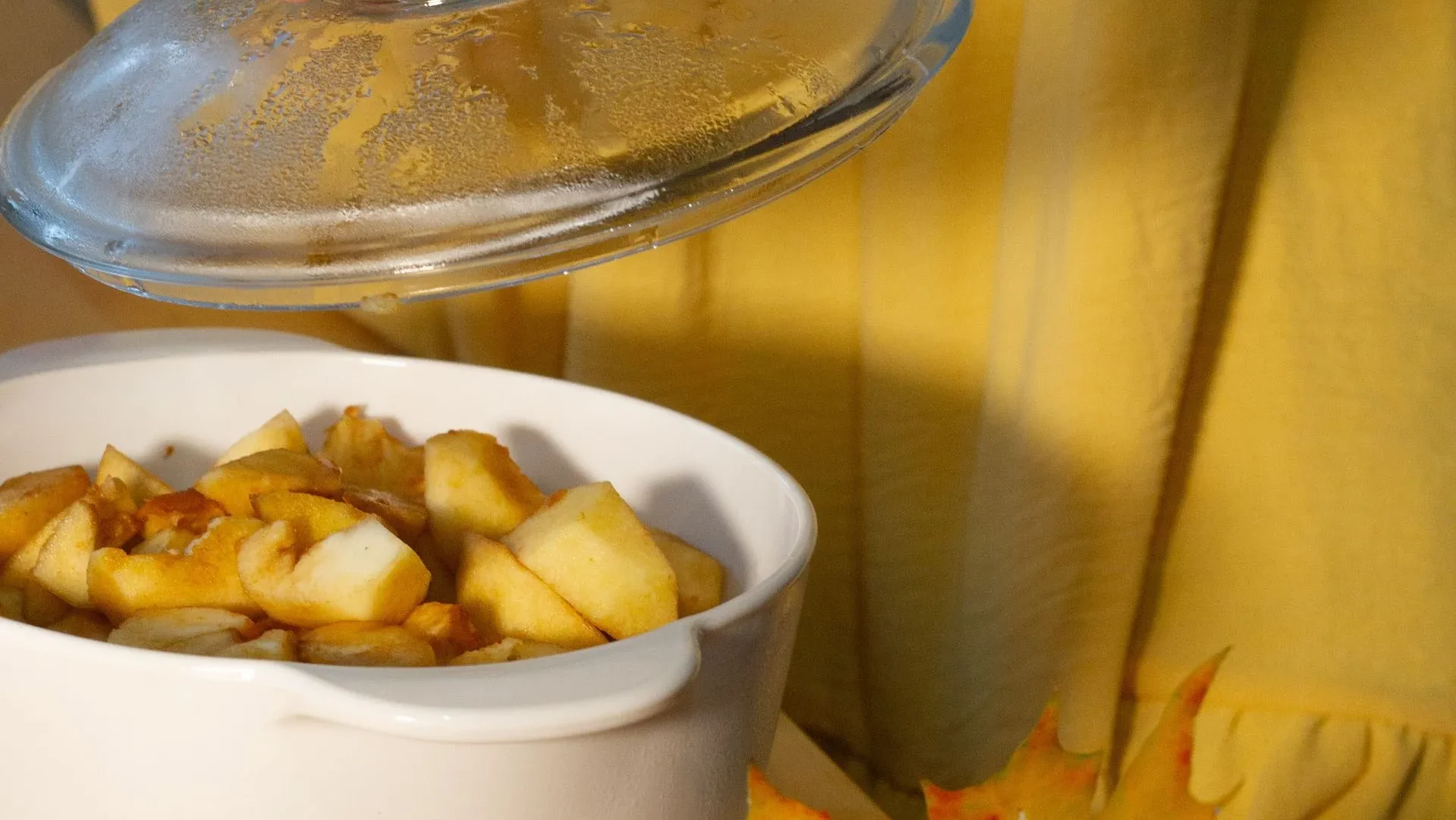
Not all stewed apples are created equal. To maximize the gut health benefits, follow these preparation guidelines:
Choose the Right Apples
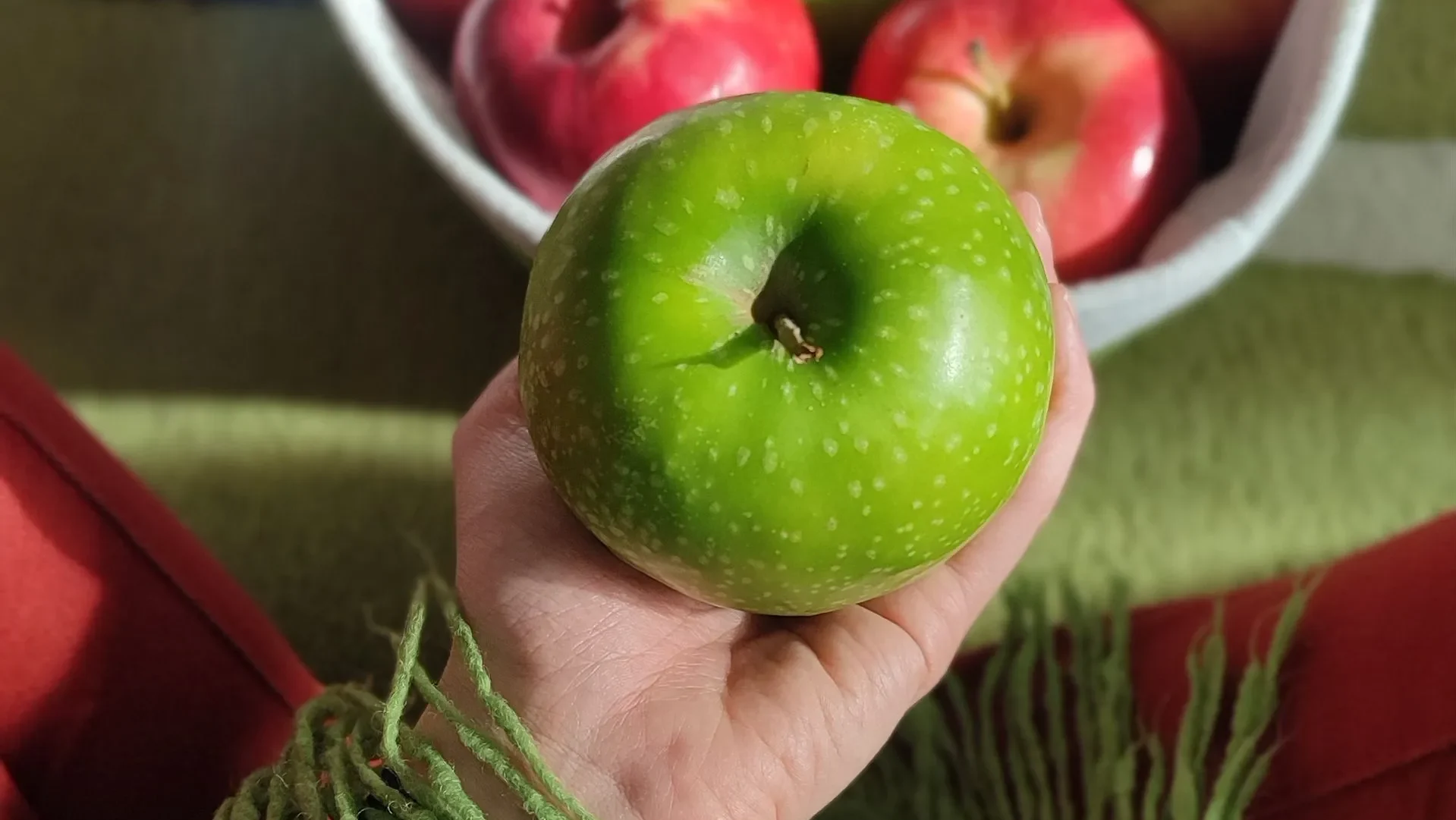
Granny Smith and Honeycrisp apples are excellent choices for stewing because they maintain their structure and contain higher pectin levels. Avoid overly sweet varieties, which may feed harmful bacteria if you’re struggling with dysbiosis.
Keep the Skin On
The skin of apples contains many of the beneficial polyphenols and additional fiber. When preparing stewed apples for gut health, leave the skin intact to maximize nutritional benefits.
Minimal Added Ingredients
Cook apples simply with just a little water and perhaps a dash of cinnamon. Cinnamon has its own gut-supporting properties and won’t interfere with the apples’ benefits. Avoid added sugar, which can feed pathogenic bacteria.
Cooking Time
Stew apples for 10-15 minutes until they’re soft and slightly broken down. This allows the pectin to become more accessible while preserving heat-sensitive nutrients.
Serving Size and Frequency
A serving of half to one cup of stewed apples daily is ideal for most people. If you’re new to increasing your prebiotic fiber intake, start small and gradually increase to avoid digestive discomfort.
When Stewed Apples for Gut Health Work Best
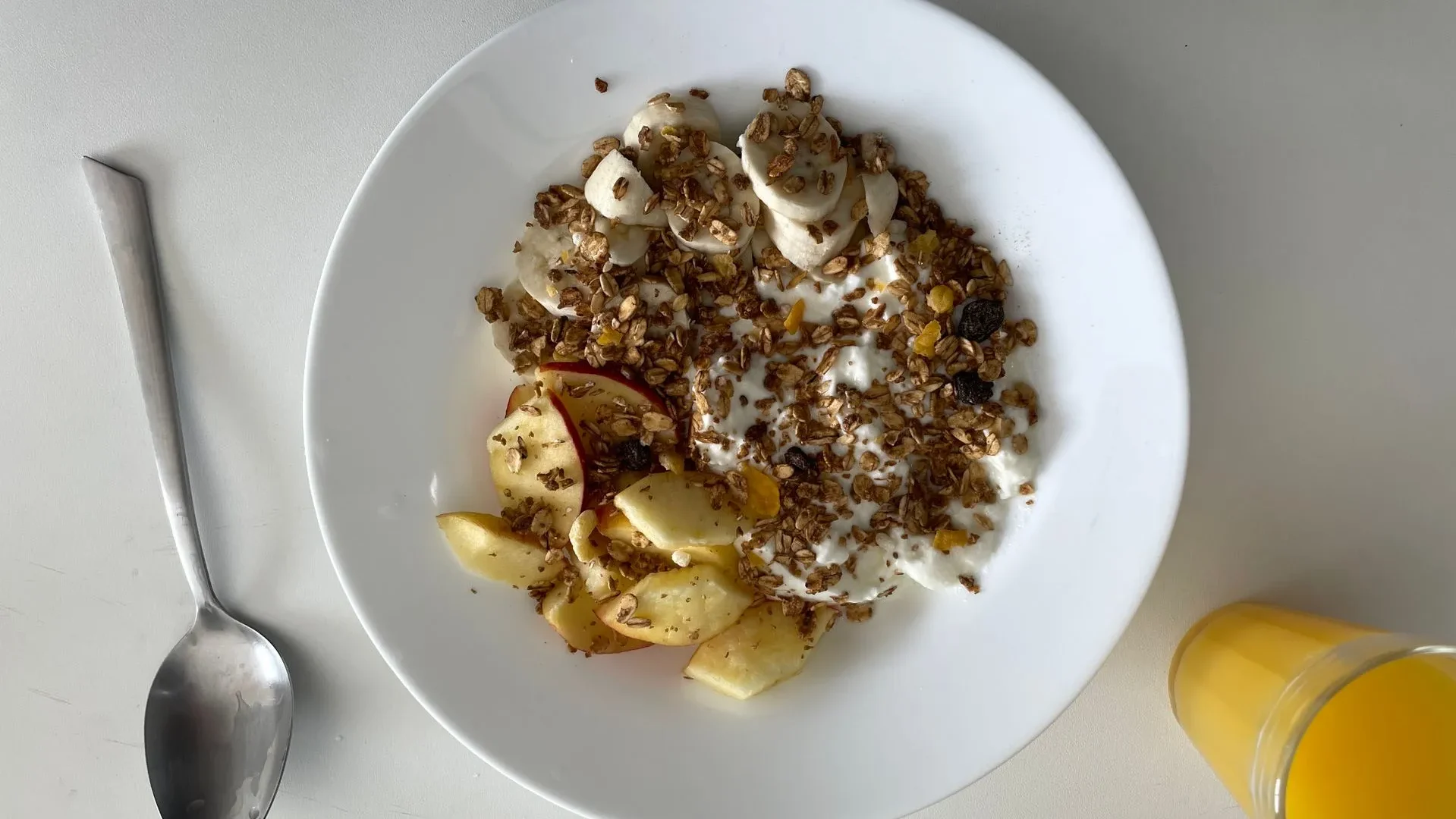
While stewed apples are beneficial for most people, timing matters. Consuming them as part of a balanced meal—perhaps with some protein and fat—helps slow digestion and maximize nutrient absorption. They’re particularly effective when eaten:
- In the morning to kickstart digestive health
- After meals to support digestion
- As part of a consistent daily routine for microbiome building
The benefits of stewed apples for gut health accumulate over time, so consistency is more important than occasional consumption. Most people notice improvements in digestion, regularity, and overall well-being within 2-4 weeks of regular consumption.
Complementary Foods for Enhanced Gut Health
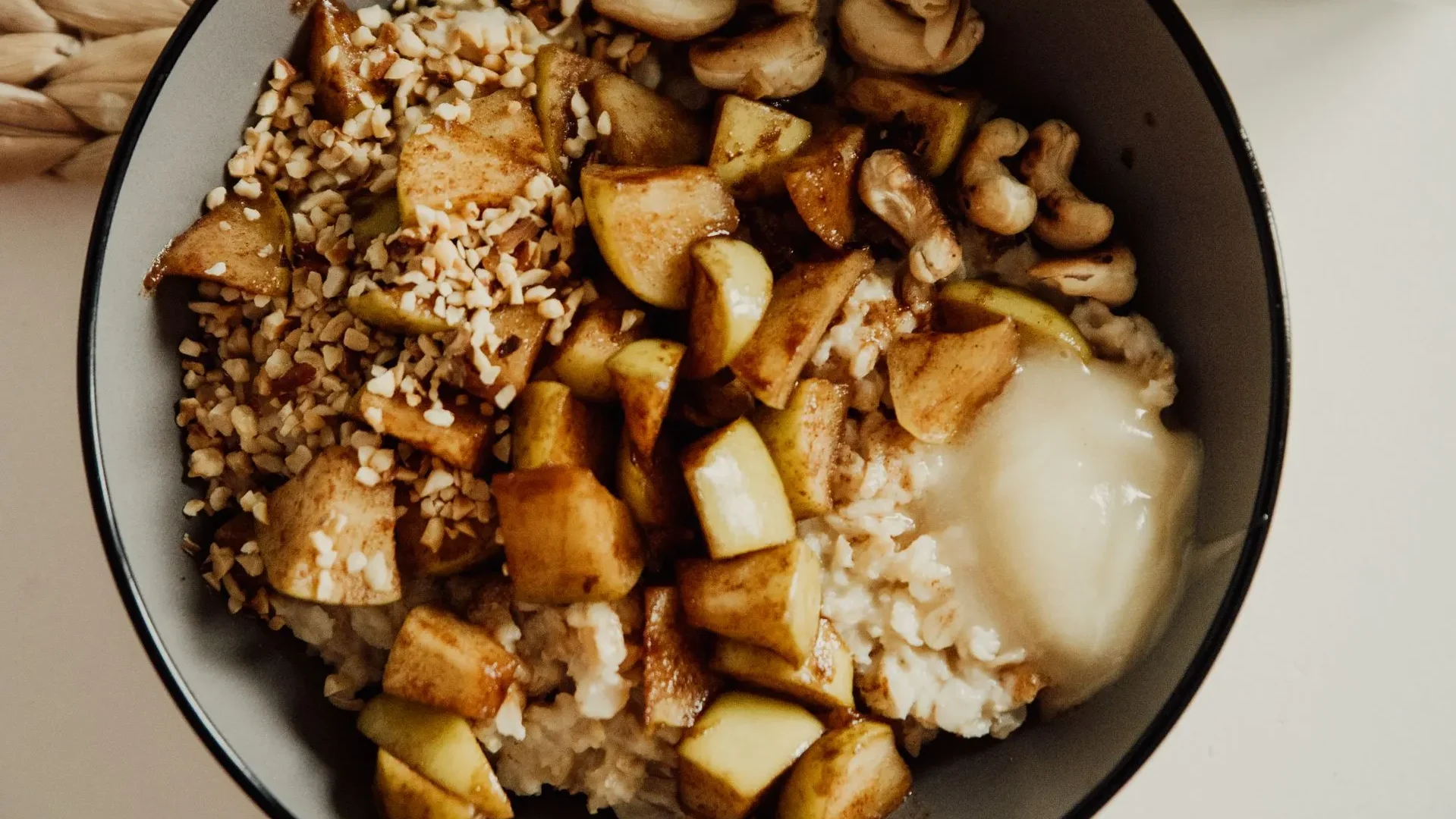
While stewed apples are excellent on their own, they work synergistically with other gut-supporting foods. Pairing them with fermented foods like yogurt, kefir, or sauerkraut creates a powerful combination of prebiotics (fiber) and probiotics (live bacteria). Other complementary foods include other fruits high in fiber, whole grains, and legumes.
For the most comprehensive approach to gut health, consider exploring the resources at Brine & Thrive, where you’ll find information about fermented foods, gut-supporting supplements, and complete dietary strategies for optimal digestive wellness.
How quickly will I notice improvements from eating stewed apples for gut health?
Most people notice improvements in digestion and regularity within 2-4 weeks of regularly consuming stewed apples. However, changes to your microbiome take time, with more significant shifts typically occurring after 8-12 weeks of consistent consumption. Individual results vary based on your starting gut health status and overall diet.
Can I eat stewed apples for gut health if I have IBS or a sensitive stomach?
Yes, stewed apples are often better tolerated than raw apples by people with IBS and sensitive digestion. The cooking process breaks down the fiber and makes it gentler on the digestive system. However, if you’re new to increasing fiber intake, start with small portions (1/4 cup) and gradually increase to avoid temporary bloating or discomfort as your gut adjusts.
Are there any risks or contraindications to eating stewed apples for gut health?
Stewed apples are generally safe for most people. Those with fructose intolerance or FODMAP sensitivity should exercise caution, as apples contain fructose. Additionally, if you’re taking certain medications like blood thinners, consult your healthcare provider since apples contain vitamin K. As with any dietary change, introduce them gradually and monitor your response.
Medical Disclaimer: This article is for informational purposes only and should not be considered medical advice. While stewed apples have been shown to support digestive health, they are not a treatment or cure for any medical condition. If you have underlying digestive issues, food sensitivities, or are taking medications, please consult with a qualified healthcare provider before making significant dietary changes. Individual responses to foods vary, and what works for one person may not work for another.
Conclusion: Simple Nutrition for Better Digestion

Stewed apples for gut health represent one of the simplest, most accessible ways to support your digestive wellness. By providing prebiotic fiber, beneficial polyphenols, and soothing pectin, this humble food works in harmony with your body’s natural processes to build a healthier microbiome.
Whether you’re dealing with digestive discomfort, looking to optimize your health, or simply want to add more gut-supporting foods to your diet, stewed apples deserve a regular place on your plate. The beauty of this approach lies in its simplicity—no supplements, no complicated recipes, just apples, water, and time.
Ready to take your gut health journey further? Visit Brine & Thrive at zymgut.com to explore our complete collection of fermented foods, gut health guides, and science-backed nutritional strategies designed to help you build a thriving microbiome from the inside out.
Photo by Matheus Bertelli on Pexels