If you’ve been hearing more about fermented foods lately, you’re not alone. From trendy kombucha bars to kimchi appearing on restaurant menus everywhere, fermented foods have become a hot topic in health and wellness circles. But what exactly is a fermented food, and why should you care?
In this guide, we’ll break down the simple answer to “what is a fermented food,” explore the science behind fermentation, and give you 15 delicious examples you can start incorporating into your diet today.
What Is a Fermented Food? The Simple Answer

A fermented food is any food that has undergone fermentation—a natural metabolic process where beneficial bacteria, yeasts, or other microorganisms break down sugars and other compounds in the food. During this process, these microorganisms produce lactic acid, acetic acid, or other compounds that preserve the food while creating beneficial probiotics.
Think of fermentation as controlled spoilage. Instead of allowing harmful bacteria to take over, we harness the power of beneficial microorganisms to transform food in ways that make it more nutritious, easier to digest, and longer-lasting.
The result? A tangy, flavorful food packed with live cultures that support your gut health.
How Does Fermentation Work?

Understanding the fermentation process helps you appreciate why fermented foods are so special. Here’s a simplified breakdown:
Step 1: Anaerobic Environment
Fermentation begins when food is placed in an oxygen-free environment, often submerged in salt water or its own juices. This creates the perfect conditions for beneficial microorganisms to thrive.
Step 2: Microbial Activity
Beneficial bacteria, primarily Lactobacillus species, begin consuming sugars in the food. As they feed, they multiply and produce lactic acid as a byproduct.
Step 3: Acid Development
The lactic acid accumulates, lowering the pH of the food and creating an acidic environment. This acidity preserves the food naturally and gives fermented foods their characteristic tangy taste.
Step 4: Flavor Development
As fermentation continues, complex flavor compounds develop, creating the distinctive tastes we associate with fermented foods like sauerkraut, kimchi, and miso.
Why Are Fermented Foods Good for You?
Fermented foods offer several potential health benefits, which is why they’ve been part of human diets for thousands of years:
Probiotics
Fermented foods contain live beneficial bacteria that may support digestive health and overall wellbeing. These “good bugs” can help maintain a balanced gut microbiome.
Improved Digestibility
The fermentation process breaks down complex compounds, making nutrients more bioavailable and easier for your body to absorb.
Natural Preservation
The acid created during fermentation acts as a natural preservative, allowing these foods to last longer without refrigeration—a benefit that was crucial before modern food storage.
Enhanced Nutrition
Fermentation can increase vitamin content, particularly B vitamins, and enhance the availability of minerals like iron and zinc.
15 Examples of Fermented Foods
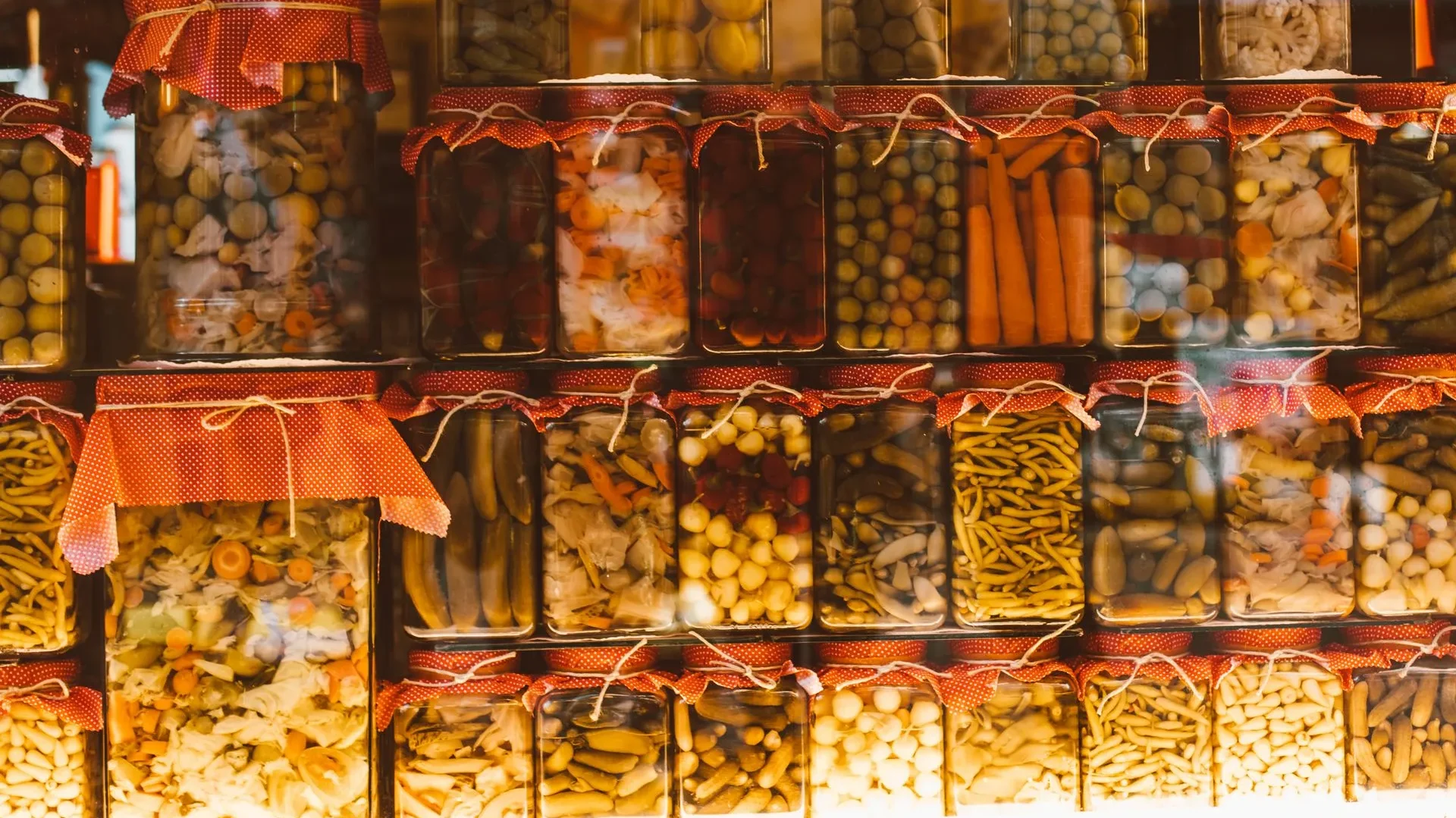
Ready to add fermented foods to your diet? Here are 15 delicious examples:
1. Sauerkraut – Shredded cabbage fermented with salt, offering a tangy side dish rich in probiotics.
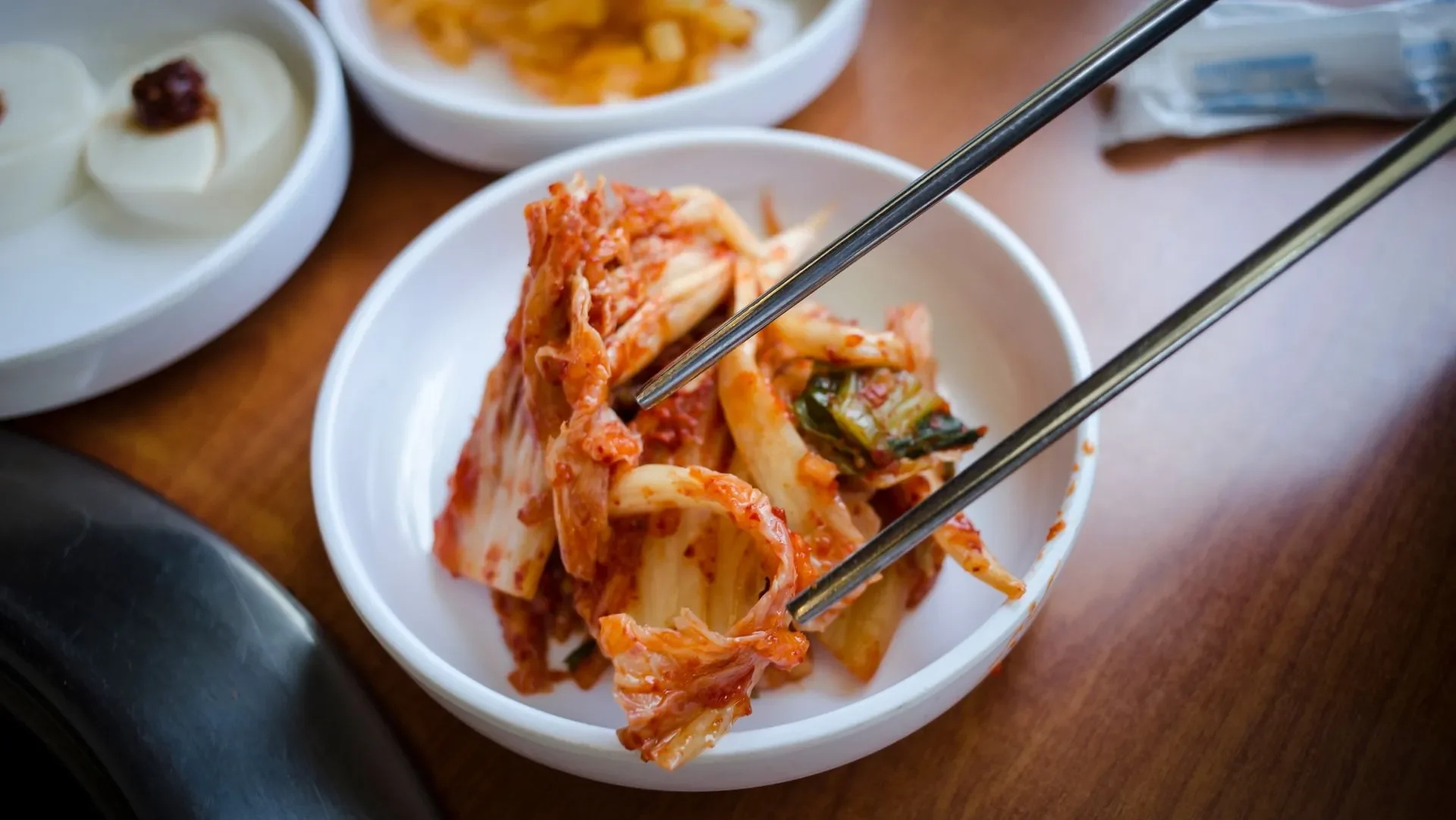
2. Kimchi – A spicy Korean fermented vegetable dish made primarily from cabbage and various seasonings.
3. Kombucha – A fermented tea beverage made with a SCOBY (Symbiotic Culture of Bacteria and Yeast).
4. Miso – A traditional Japanese paste made from fermented soybeans, used in soups, dressings, and marinades.
5. Tempeh – An Indonesian soy product made by fermenting soybeans into a firm cake with a nutty flavor.
6. Kefir – A fermented milk drink similar to yogurt but with a thinner consistency and more probiotic strains.
7. Yogurt – Milk fermented with beneficial bacteria cultures, creating a creamy, tangy dairy product.
8. Cheese – Most aged cheeses undergo fermentation, developing complex flavors and beneficial cultures.
9. Pickles – Cucumbers fermented in salt brine (traditional fermented pickles, not vinegar-pickled varieties).
10. Sourdough Bread – Bread made with a naturally fermented starter containing wild yeast and lactobacillus.
11. Tepache – A Mexican fermented beverage made from fruits, spices, and piloncillo (unrefined cane sugar).
12. Rejuvelac – A sprouted grain beverage that undergoes fermentation, popular in raw food communities.
13. Kvass – A traditional Eastern European fermented beverage typically made from rye bread.
14. Natto – Japanese fermented soybeans with a distinctive sticky texture and pungent aroma.
15. Umeboshi – Japanese fermented plums known for their salty, sour taste and traditional medicinal uses.
How to Choose Quality Fermented Foods
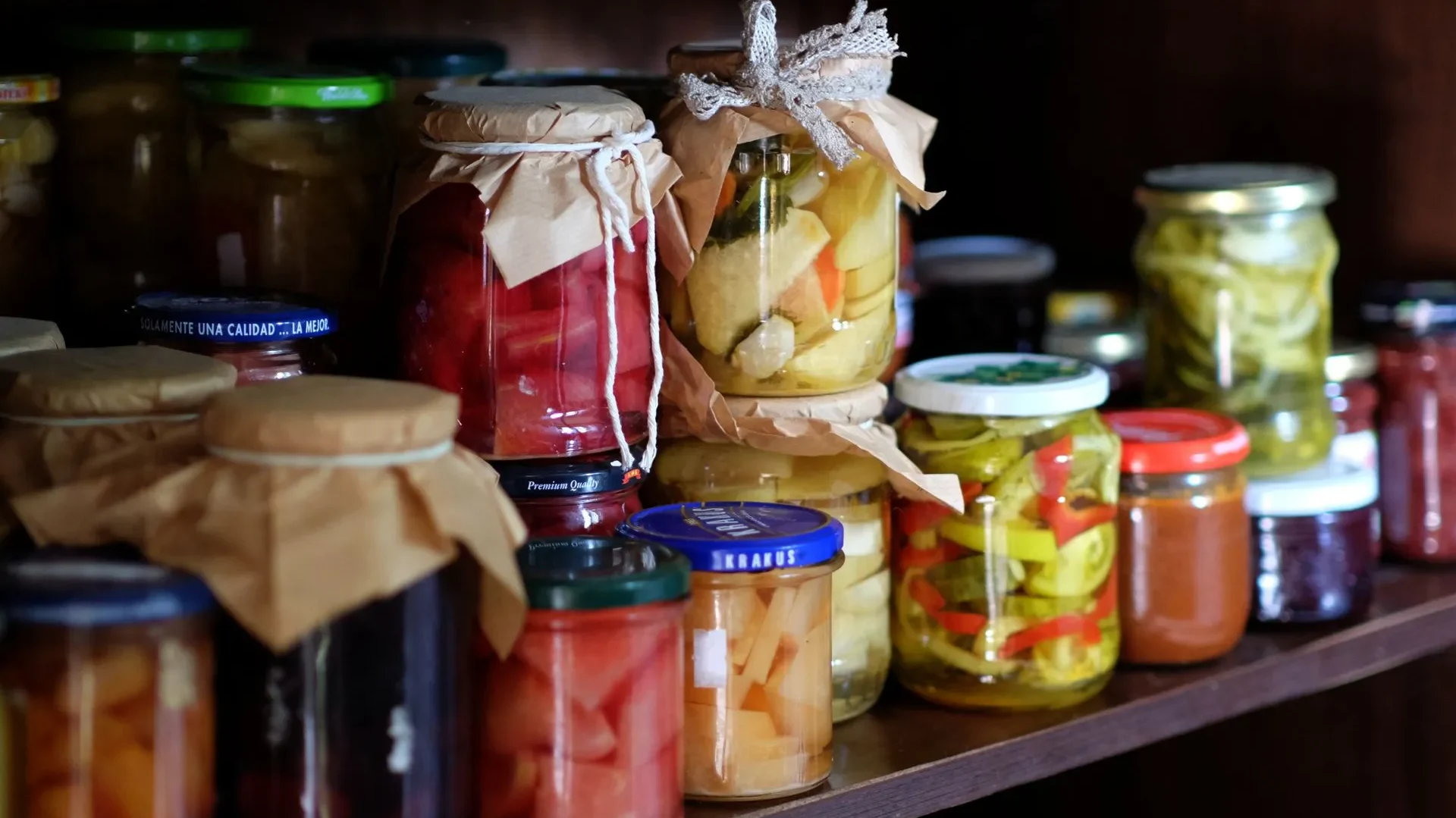
Not all products labeled “fermented” are created equal. Here’s how to ensure you’re getting the real deal:
Check the Label
Look for the word “fermented” on the ingredient list. Genuine fermented foods will list live cultures or mention fermentation in the process description.
Look for “Live Cultures”
The presence of live and active cultures is a key indicator of a quality fermented food. Some products are heat-treated after fermentation, which kills beneficial bacteria.
Refrigeration Requirements
Many quality fermented foods require refrigeration because they contain living bacteria. Room-temperature shelf-stable versions may have been pasteurized.
Ingredient Quality
Choose products made with simple, recognizable ingredients. Avoid excessive additives, artificial flavors, or added sugars.
Getting Started With Fermented Foods
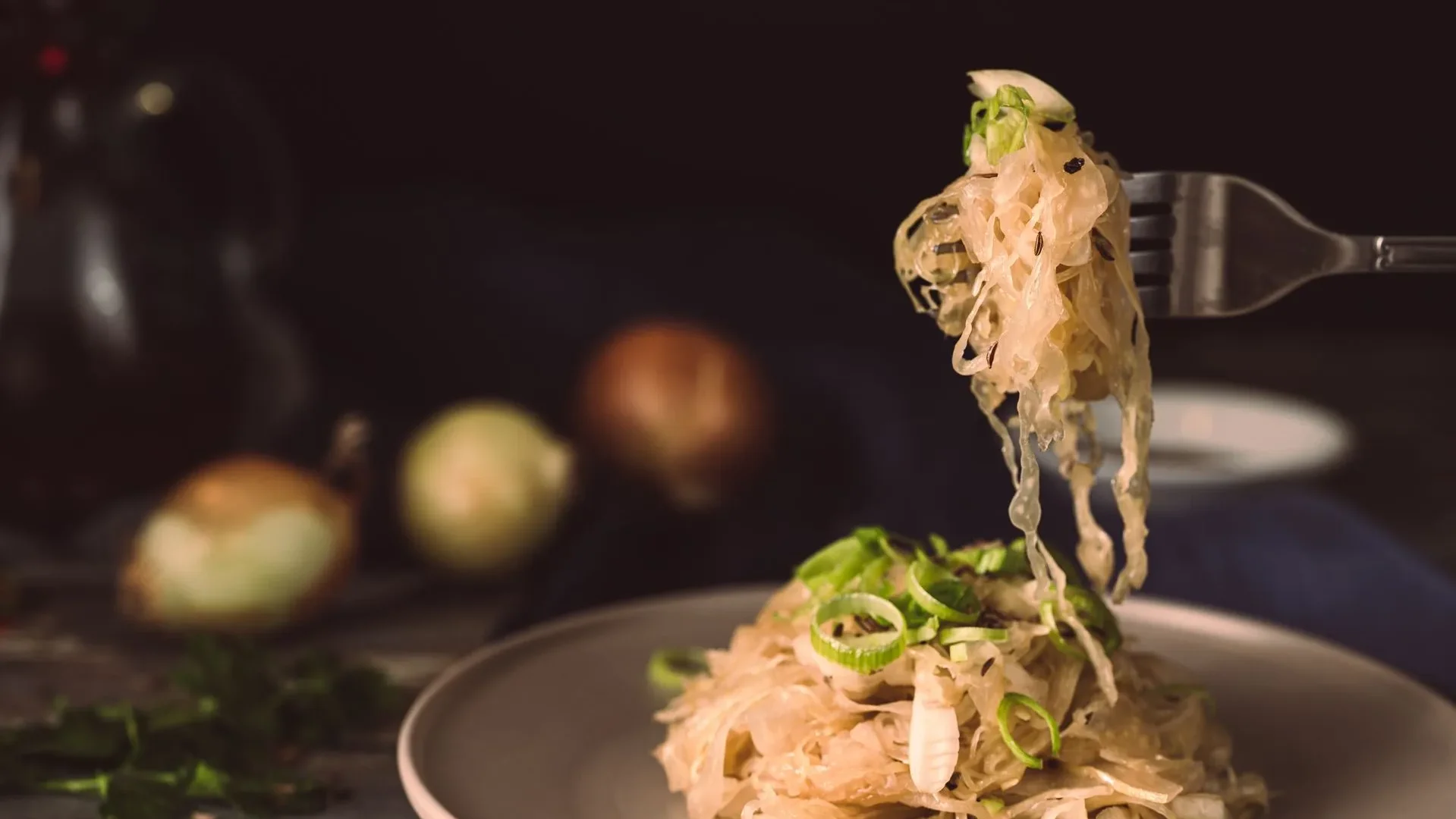
If you’re new to fermented foods, start slowly. Introduce small amounts to your diet and gradually increase your intake. This allows your digestive system to adjust to the new microorganisms and enzymes.
Begin with milder options like yogurt or kefir before moving to stronger flavors like kimchi or miso. Store-bought options are convenient, but making your own fermented foods at home is also rewarding and cost-effective.
What is the difference between fermented and pickled foods?
Fermented foods are preserved through the natural fermentation process, where beneficial bacteria produce lactic acid. Pickled foods are preserved using vinegar and heat. Fermented foods contain live probiotics, while pickled foods typically do not (especially if pasteurized). Traditional fermented pickles use salt brine fermentation, but most commercial “pickles” are vinegar-pickled.
Are fermented foods safe to eat?
Yes, fermented foods are generally safe when prepared properly. The acidic environment created during fermentation prevents harmful bacteria from growing. However, if you have a compromised immune system or are pregnant, consult your healthcare provider before consuming fermented foods, as you should with any dietary change.
Can I make fermented foods at home?
Absolutely! Making fermented foods at home is simple and requires minimal equipment. Basic fermented vegetables like sauerkraut or kimchi need just vegetables, salt, and a jar. Many people find homemade fermented foods to be more cost-effective and allow for customization of flavors and ingredients.
Medical Disclaimer: This article is for educational purposes only and should not be considered medical advice. While fermented foods have been consumed for centuries and are generally recognized as safe, individual responses may vary. If you have specific health concerns, digestive issues, or are taking medications, please consult with a qualified healthcare professional before making significant dietary changes.
Conclusion

Now you know the answer to “what is a fermented food”—it’s a food that has been transformed through a natural fermentation process, creating beneficial probiotics and enhanced nutrition. From sauerkraut to kombucha to miso, fermented foods offer both delicious flavors and potential health benefits.
Whether you’re looking to improve your gut health, explore new flavors, or simply enjoy foods that have nourished humans for millennia, fermented foods are a wonderful addition to a balanced diet.
Ready to dive deeper into the world of fermented foods and gut health? Visit Brine & Thrive at zymgut.com to explore comprehensive guides, recipes, and resources for optimizing your gut health with fermented foods. Discover how the simple act of fermentation can transform your diet and wellness journey.