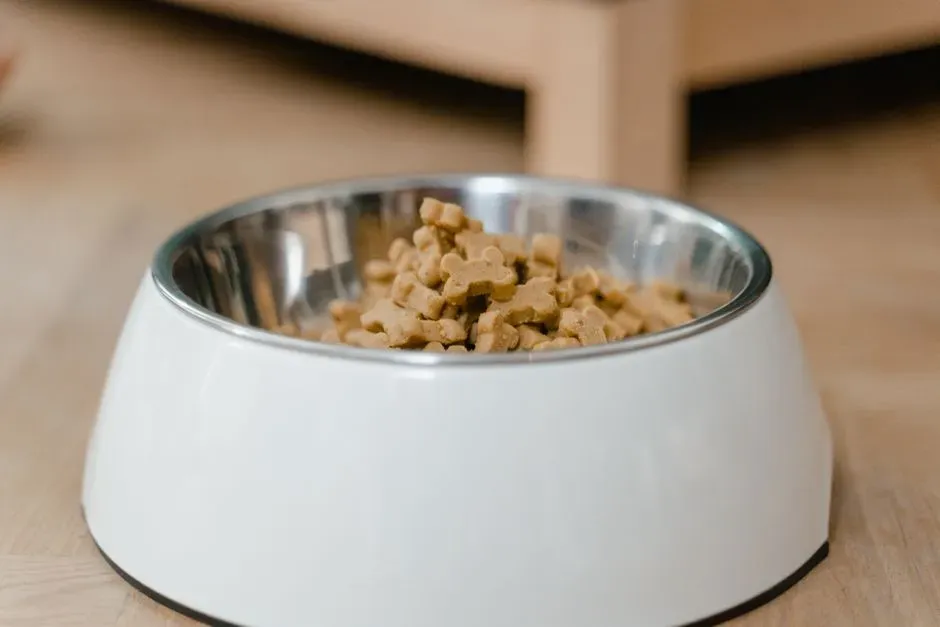
As pet owners, we want the best for our furry companions, and that includes their digestive health. Dog probiotics for gut health have become increasingly popular in recent years, but many pet parents wonder whether their dogs actually need them. The answer isn’t as simple as yes or no—it depends on your dog’s individual health situation, diet, and lifestyle. In this guide, we’ll explore everything you need to know about dog probiotics and whether your pup could benefit from gut health support.
Understanding Your Dog’s Gut Microbiome

Your dog’s digestive system is home to trillions of bacteria, fungi, and other microorganisms collectively known as the gut microbiome. This microscopic community plays a crucial role in digestion, nutrient absorption, immune function, and even mental health. A balanced gut microbiome supports overall wellness, while an imbalanced one (called dysbiosis) can lead to various health issues.
The canine gut microbiome is naturally diverse and resilient, but several factors can disrupt this delicate balance. Understanding how these tiny organisms work is the first step in determining whether your dog needs probiotic supplementation. The good bacteria in your dog’s gut act as a protective barrier against harmful pathogens, produce essential vitamins, and help regulate your dog’s immune response.
When Your Dog’s Gut Health Might Need Support

While healthy dogs often maintain a balanced microbiome naturally, certain situations may warrant considering dog probiotics for gut health support:
- Antibiotic use: Antibiotics kill both harmful and beneficial bacteria, disrupting the microbiome balance. Probiotics can help restore healthy bacteria populations after antibiotic treatment.
- Digestive upset: Chronic diarrhea, constipation, or irregular bowel movements may indicate dysbiosis that could respond to probiotic support.
- Food sensitivities: Dogs with allergies or food intolerances may have compromised gut barriers that benefit from probiotic support.
- Stress and anxiety: The gut-brain axis means that stress affects your dog’s digestive health, and vice versa. Probiotics may help during stressful periods like travel or changes in routine.
- Inflammatory bowel conditions: Conditions like IBD may respond to targeted probiotic therapy as part of a comprehensive treatment plan.
- Advanced age: Senior dogs often experience changes in their microbiome composition, which may benefit from probiotic support.
If your dog experiences any of these issues, discussing probiotic supplementation with your veterinarian is a smart first step.
The Science Behind Dog Probiotics

Probiotics are live beneficial microorganisms that, when administered in appropriate amounts, confer health benefits to the host. For dogs, the most researched and commonly recommended probiotic strains include Lactobacillus, Bifidobacterium, and Enterococcus species.
Scientific research on dog probiotics and gut health shows promising results, particularly for:
- Reducing diarrhea duration and severity
- Supporting immune function
- Improving digestive efficiency and nutrient absorption
- Reducing inflammation in the digestive tract
- Supporting skin health (which is often connected to gut health)
However, it’s important to note that not all probiotics are created equal. The effectiveness depends on the specific strains used, the viability of the organisms at the time of administration, and the individual dog’s microbiome composition. This is why quality matters when selecting a probiotic supplement for your dog.
Choosing the Right Probiotic for Your Dog

If you’ve decided that your dog could benefit from probiotic support, selecting the right product is crucial. Look for these qualities when evaluating dog probiotics for gut health:
- Verified CFU count: CFU (Colony Forming Units) indicates the number of viable organisms. Higher doesn’t always mean better—quality matters more than quantity.
- Multiple strains: Products with multiple probiotic strains often provide broader benefits than single-strain formulas.
- Third-party testing: Choose products tested by independent laboratories to verify potency and safety.
- Stability: Look for products designed to survive the acidic environment of your dog’s stomach and reach the intestines.
- Additional prebiotics: Prebiotics are substances that feed beneficial bacteria, making them a valuable addition to probiotic supplements.
- Veterinarian recommendation: Your vet can recommend strains and products tailored to your dog’s specific needs.
Price shouldn’t be your only consideration—investing in a high-quality probiotic is an investment in your dog’s health.
Natural Ways to Support Your Dog’s Gut Health

While probiotics can be beneficial, there are several other ways to support your dog’s digestive wellness without supplementation:
- High-quality diet: Feed whole, nutrient-dense foods that support a healthy microbiome. Look for diets rich in fiber and appropriate protein.
- Fermented foods: Plain, unsalted bone broth, fermented vegetables (if safe for dogs), and other fermented foods contain beneficial bacteria.
- Fiber-rich foods: Pumpkin, sweet potato, and other fiber sources feed good bacteria in the gut.
- Gradual diet transitions: Changing foods too quickly disrupts the microbiome. Always transition over 7-10 days.
- Reduce stress: Maintain consistent routines and provide adequate exercise to minimize stress-related digestive issues.
- Fresh water: Proper hydration supports overall digestive health and nutrient absorption.
These dietary and lifestyle approaches should form the foundation of your dog’s gut health strategy, whether or not you add probiotic supplementation.
Potential Risks and Considerations
While probiotics are generally considered safe for most healthy dogs, there are some situations where caution is warranted. Immunocompromised dogs, those with severe pancreatitis, or dogs with certain digestive conditions should only receive probiotics under veterinary supervision. Additionally, some dogs may experience temporary digestive adjustment when first starting probiotics, manifesting as mild changes in stool consistency.
It’s also worth noting that probiotics aren’t a cure-all solution. They work best as part of a comprehensive approach to health that includes proper nutrition, exercise, and regular veterinary care.
How long does it take for probiotics to work in dogs?
Most dogs show improvement within 2-4 weeks of consistent probiotic use, though some may see results sooner. Consistency is key—probiotics work best when given daily. Full benefits may take 6-8 weeks to become apparent. If you don’t see improvements after 8 weeks, the specific strain or product may not be the right fit for your dog, and it’s worth discussing alternatives with your veterinarian.
Are there any side effects of giving my dog probiotics?
Probiotics are generally very safe for healthy dogs. Some dogs may experience temporary digestive adjustments including mild gas, bloating, or slight changes in stool consistency when first starting probiotics. These effects typically resolve within a few days as the gut adjusts. If your dog experiences severe or persistent symptoms, discontinue use and consult your veterinarian. Dogs with compromised immune systems should only take probiotics under veterinary supervision.
Can I give my dog human probiotics?
While some human probiotic strains are dog-safe, it’s not recommended. Human probiotics are formulated for human gut pH and conditions, which differ significantly from canine digestive systems. Dog-specific probiotics are formulated with strains researched for canine effectiveness and in appropriate dosages for their body weight and metabolism. Additionally, human products may contain added ingredients that aren’t safe for dogs. Always choose veterinarian-recommended, dog-specific probiotic products.
Medical Disclaimer: This article is for informational purposes only and should not replace professional veterinary advice. While probiotics are generally considered safe, every dog is unique with individual health needs. Before starting your dog on any probiotic supplement, especially if your dog has existing health conditions or is taking medications, consult with your veterinarian. Your vet can determine whether probiotics are appropriate for your dog and recommend the best options based on your pet’s specific situation.
Conclusion: Is Your Dog’s Gut Ready for Probiotic Support?
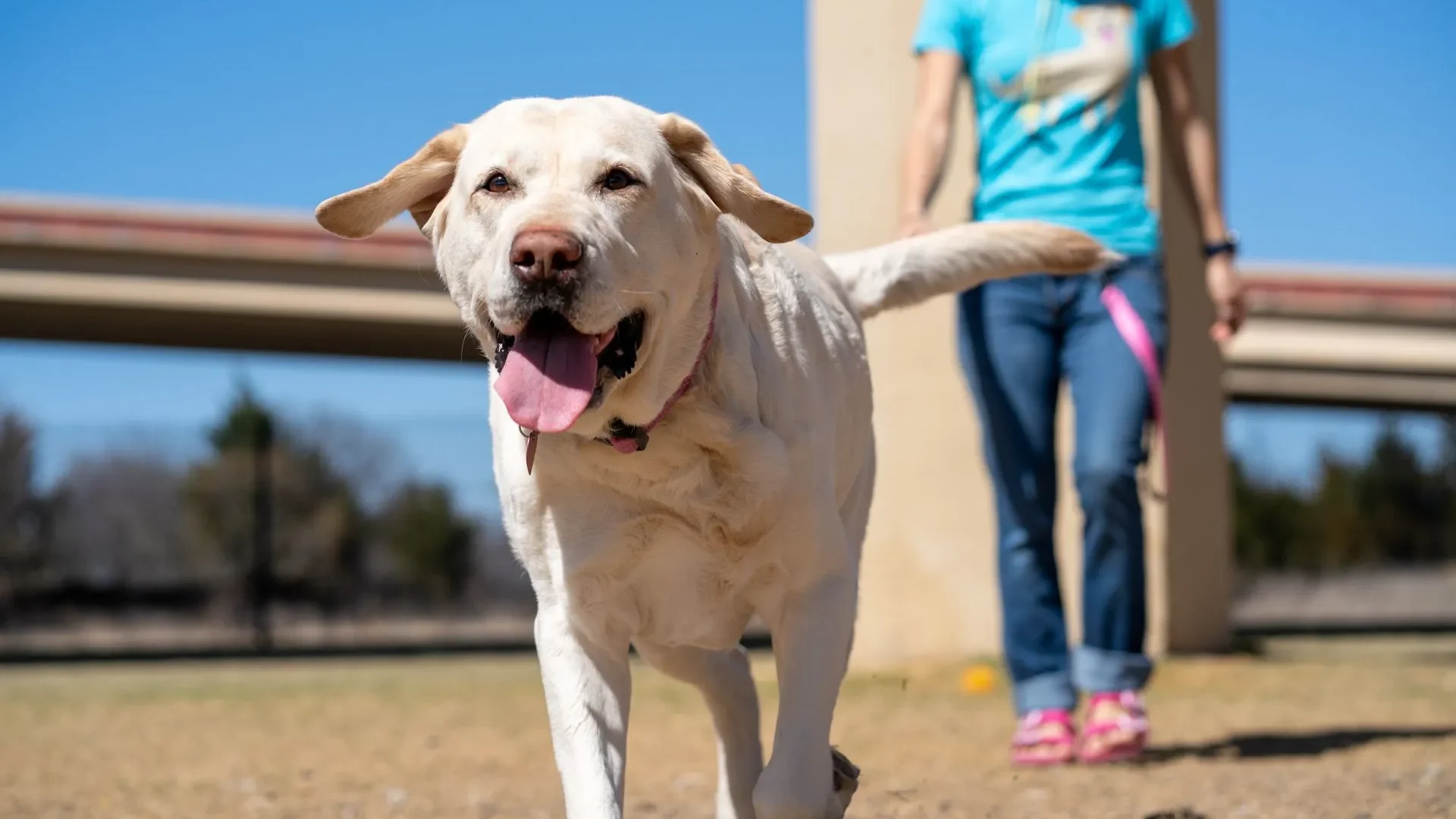
The question of whether your dog needs dog probiotics for gut health depends on your individual dog’s situation. Healthy dogs with no digestive issues and eating a quality diet may not need supplemental probiotics. However, dogs experiencing digestive upset, recovering from antibiotic use, dealing with stress, or facing other health challenges may significantly benefit from targeted gut health support.
The key is understanding your dog’s unique needs and working with your veterinarian to develop a comprehensive wellness strategy. When combined with proper nutrition, adequate exercise, and regular veterinary care, the right probiotic can be a valuable tool in supporting your dog’s long-term health and vitality.
Ready to explore high-quality solutions for your dog’s digestive wellness? Visit Brine & Thrive at zymgut.com to discover science-backed, dog-specific probiotic options designed to support optimal gut health. Your dog’s best health starts with a healthy gut.
Photo by MART PRODUCTION on Pexels